

There are sports leagues that make political statements and there are sports leagues that make political statements and then decide they would like to stop, and the WNBA is in the process of making the transition, confirmed by Fox News’s July 30 sitemap under the headline “WNBA suddenly wants to stick to basketball after years of making politics part of the product,” which is the kind of headline that requires explaining what changed between the years of making politics part of the product and the sudden wanting to stop.
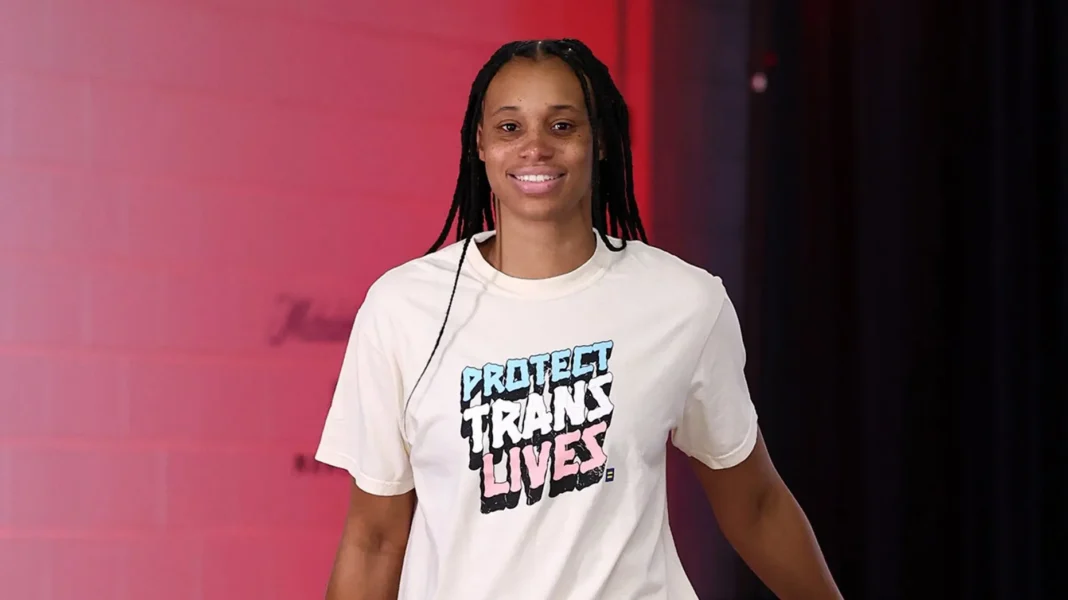
The WNBA has been among the most politically engaged professional sports leagues in the United States since 2020, when players wore warm-up shirts reading “Black Lives Matter,” displayed names of shooting victims on the backs of their jerseys, and, in a notable moment, turned their backs on a police officer who came to greet them before a game. The league’s political engagement earned praise from some quarters and generated sustained viewer backlash from others, producing the audience figures that made sports leagues across the industry debate what the data was saying about mixing athletics and activism.
The pivot comes in a week when a WNBA co-owner was suspended, the details of which Fox News’s July 31 news quiz describes as this week’s top story without specifying the co-owner or the suspension’s cause, and in a season when Caitlin Clark has produced the league’s highest ratings in years while eight international Olympians publicly condemned the WNBA’s handling of Clark’s treatment, and when the league’s relationship with its audience is the most scrutinized it has been since Sheryl Swoopes was a rookie.
Corporate America was declaring equity and inclusion central to its brand as recently as 2022 and is quietly returning the brand to the shelf. The WNBA made politics the product as recently as 2022. It would now like to stick to basketball. The audiences that tuned out during the political era are the audiences the league needs to recapture. Whether they are waiting to return is the question the sudden pivot is trying to answer.
The WNBA wants to stick to sports. It spent years not sticking to sports. The audience has been watching both phases.
When a league that made politics the product for years suddenly wants to stick to sports, what exactly does it think the audience remembers?
Sources