



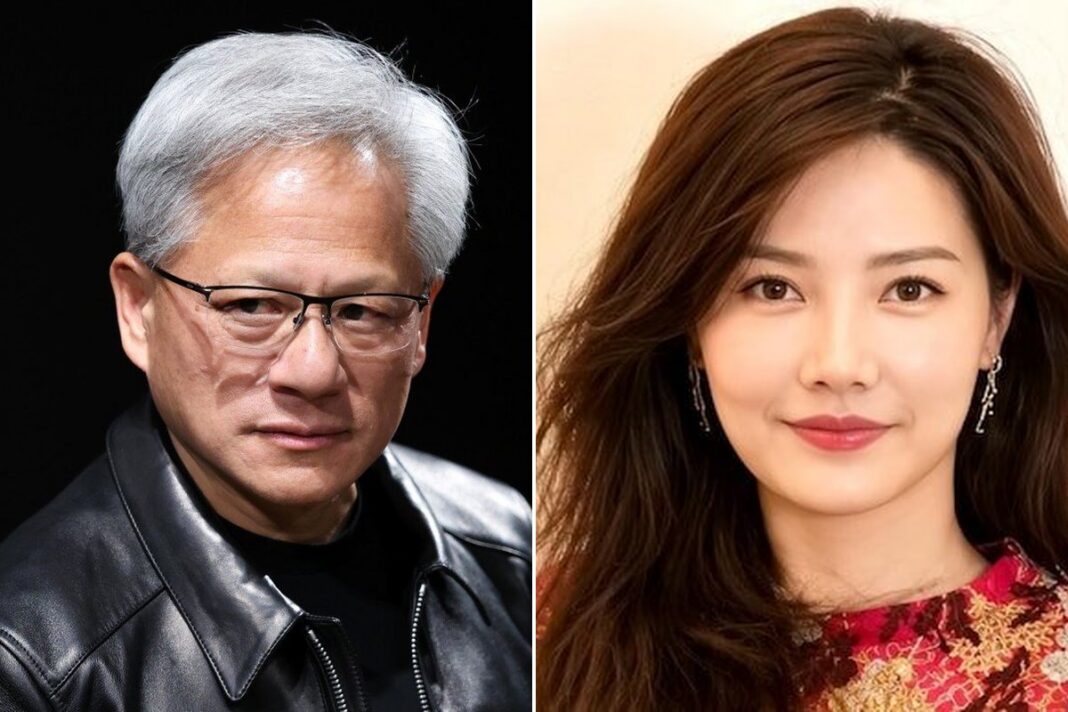
The most expensive technology in the world has collided with one of the oldest political plotlines imaginable: an affair, a suspected spy and a powerful friend in Washington. Nvidia chief executive Jensen Huang has acknowledged an extramarital relationship with a businesswoman whom American intelligence officials suspect of gathering information for China. President Donald Trump, who has made Huang a familiar figure in his orbit, is now facing questions about what he knew and when.
The woman, Alice Huang, formerly worked at Singapore-based cloud-computing company Megaspeed. Reporting by the New York Times, subsequently detailed by the Associated Press and Washington Post, says U.S. intelligence officials suspected her of passing information to Beijing. That assessment is not a criminal conviction, and China has rejected the espionage allegation as unsubstantiated. Jensen Huang has said he did not know she was a spy; Trump says he believes him.
Nvidia is not just another Silicon Valley firm with an awkward executive scandal. Its chips underpin much of the artificial-intelligence boom, and Washington has spent years arguing over how many advanced chips American companies should be allowed to sell to China. Huang has been a prominent advocate for maintaining access to the Chinese market. That makes his personal relationship a potential national-security issue, rather than merely a problem for his marriage.
The timing of Trump's briefings is now a central question. The Washington Post reported November 11 that Secretary of State Marco Rubio warned Trump in May about intelligence concerns involving Huang, citing a person familiar with the briefing. Trump said Monday he did not recall when he had first learned of the allegations. The Post also reported that Rubio's briefing was at least the second warning Trump had received, according to earlier New York Times reporting. Those accounts and Trump's recollection are not the same thing, and the discrepancy has not been resolved.
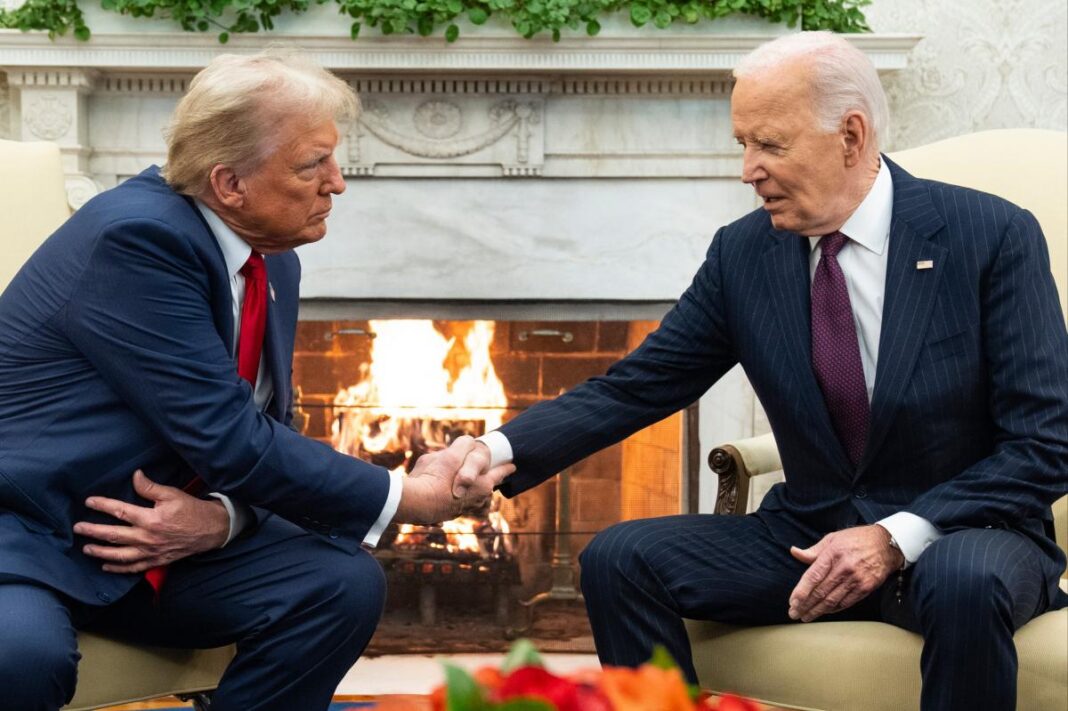
Trump has nevertheless continued to speak favorably about the Nvidia chief. After talking with Huang on Monday, the president said Huang had denied knowing about the alleged espionage and expressed confidence in his explanation. Asked about the affair, Trump has emphasized Huang's work and described him as an honorable person. His response has been strikingly personal for a matter with such large strategic implications.
The company's board has opened an investigation and said it has no reason to believe company secrets or national security were compromised. Huang apologized to his wife, family and colleagues for his infidelity, pledged cooperation with the review and has remained chief executive. The Justice Department is also investigating, according to the Associated Press. Neither an internal inquiry nor a government investigation establishes that Huang knowingly assisted a foreign intelligence service.
There is a separate financial dimension. Nvidia wants to keep selling chips in China, while national-security hawks fear advanced American technology could strengthen Beijing's capabilities. Trump's administration has permitted certain chip sales that critics consider too permissive. A suspected intelligence operation involving the company's chief executive makes every argument over export controls more politically combustible.
Lawmakers have begun demanding answers. Democrats, including Senate Minority Leader Chuck Schumer, criticized Trump's handling of the warnings, while members of Congress are seeking information about whether technology-policy decisions were affected. Critics see a conflict between Trump's warnings about China and his willingness to maintain close ties with Huang. Supporters of continued exports argue that keeping Chinese customers dependent on American technology has strategic value. Neither policy argument proves misconduct in this case.
One particularly uncomfortable detail is the proximity. Huang has attended major administration events and, according to the Post, joined Trump's May trip to China after Rubio's warning. The reported sequence invites a simple question: if the intelligence concern was serious enough to brief the president, what precautions followed? The public record so far does not provide a complete answer.
For now, the facts are dramatic enough without turning suspicion into certainty. Huang admits the affair; intelligence officials reportedly suspected espionage; Nvidia and federal authorities are investigating; and Trump says he believes his friend was unaware. The administration's challenge is explaining how those facts fit together in a technology race it routinely describes as essential to America's future. It is a remarkably crowded scandal for something that began as a private relationship.