



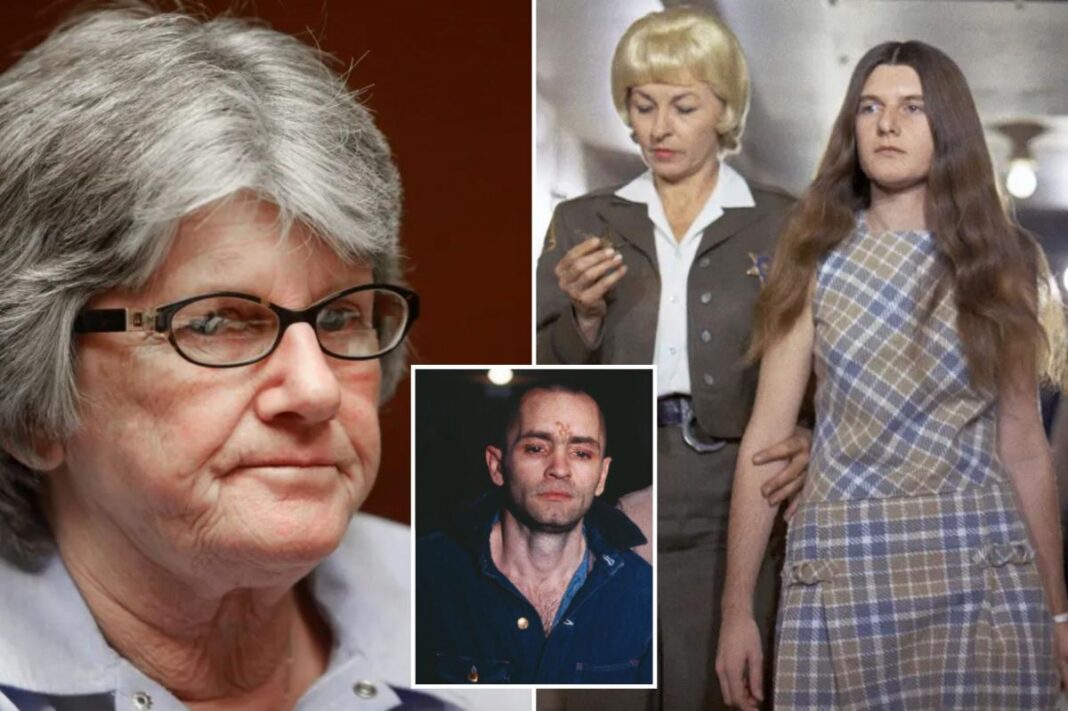
Patricia Krenwinkel, convicted in seven Tate-LaBianca murders, has again been approved for parole. California Gov. Gavin Newsom has blocked her release before and could do so again.
Patricia Krenwinkel has spent more than half a century in prison for her role in one of the most infamous murder sprees in American history. Now, at 78, the former Charles Manson follower has once again been approved for parole — setting up another round of the same question California has been wrestling with for years: can someone tied to the Manson murders ever actually be considered rehabilitated enough to walk free?
Krenwinkel was convicted of seven counts of first-degree murder for her participation in the 1969 Tate-LaBianca killings. She has been incarcerated since 1971 and became California’s longest-serving female prisoner after fellow Manson follower Susan Atkins died in prison in 2009. That is an extraordinary amount of time behind bars, even by the standards of a case that permanently entered American crime mythology.
The latest parole decision came after an October 6 hearing. According to California corrections records cited by The Daily Beast, Krenwinkel was preliminarily approved for release, but that does not mean she is packing a suitcase tomorrow. The decision now goes through a lengthy review process, and Gov. Gavin Newsom can still intervene.
Newsom has done exactly that before. He reversed parole recommendations for Krenwinkel in 2022 and again in 2025, arguing that she had not shown enough insight into the factors that led her to participate in the killings. So this is less ‘Manson killer walks free’ and more ‘California begins another extremely tense administrative sequel.’
Krenwinkel has reportedly maintained a strong disciplinary record in prison and earned a bachelor’s degree in human services. Parole boards are required to consider rehabilitation, age, behavior and the likelihood someone will pose a danger if released. The horror of the original crime does not legally erase those factors, even when the crime is one of the most notorious in modern American history.
That is where the case becomes emotionally difficult. The Tate-LaBianca murders were not just violent; they were ritualized, theatrical and designed to terrify. Krenwinkel personally participated in killings that have been retold in books, documentaries and movies for decades. For victims’ families and many members of the public, fifty-five years does not make that history feel distant enough.
Supporters of parole argue that the point of the system is to evaluate who someone is now, not only who they were at the time of the offense. Krenwinkel was 21 when the murders occurred and is now nearly 80. Critics respond that some crimes are so extreme that release should never be part of the sentence in practice, regardless of rehabilitation.
The legal process now gives the state parole board up to 120 days to review the decision. After that, Newsom has an additional window in which he can allow the decision to stand or reverse it. Given his history with this exact case, nobody should mistake the current approval for the final credits.
There is also a strange cultural dimension to Krenwinkel’s status. Manson himself died in prison in 2017, and several members of the so-called Family are dead or have served long sentences. Yet every parole hearing still reactivates the entire mythology around the case, as though 1969 briefly logs back into the news cycle.
The question is whether parole should ultimately be about punishment, rehabilitation or both — and whether a person convicted in a crime this notorious can ever satisfy the public version of forgiveness, even if a parole board believes the legal standard has been met.