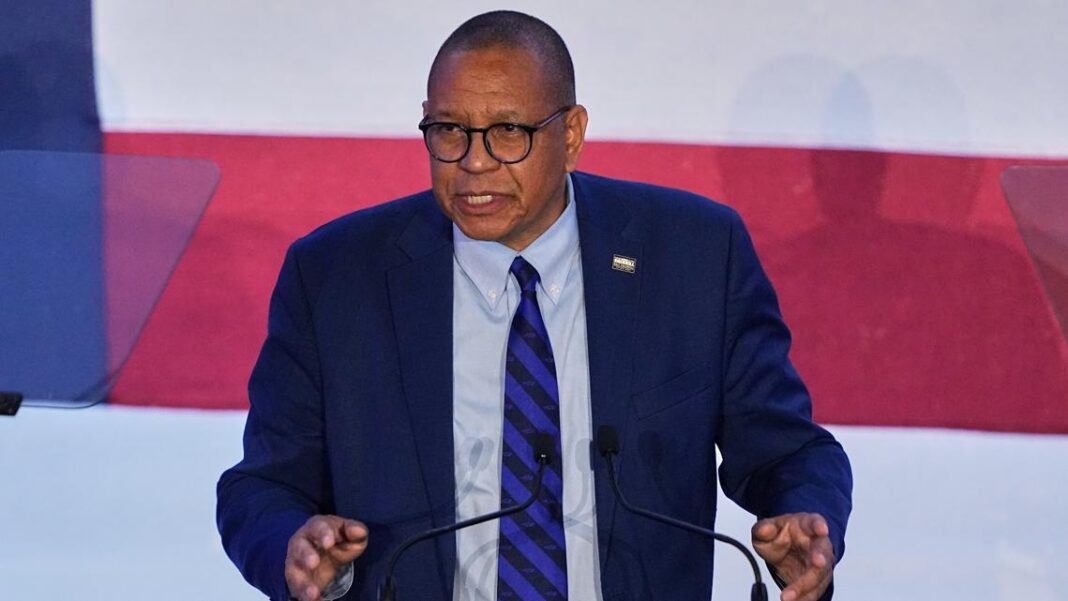




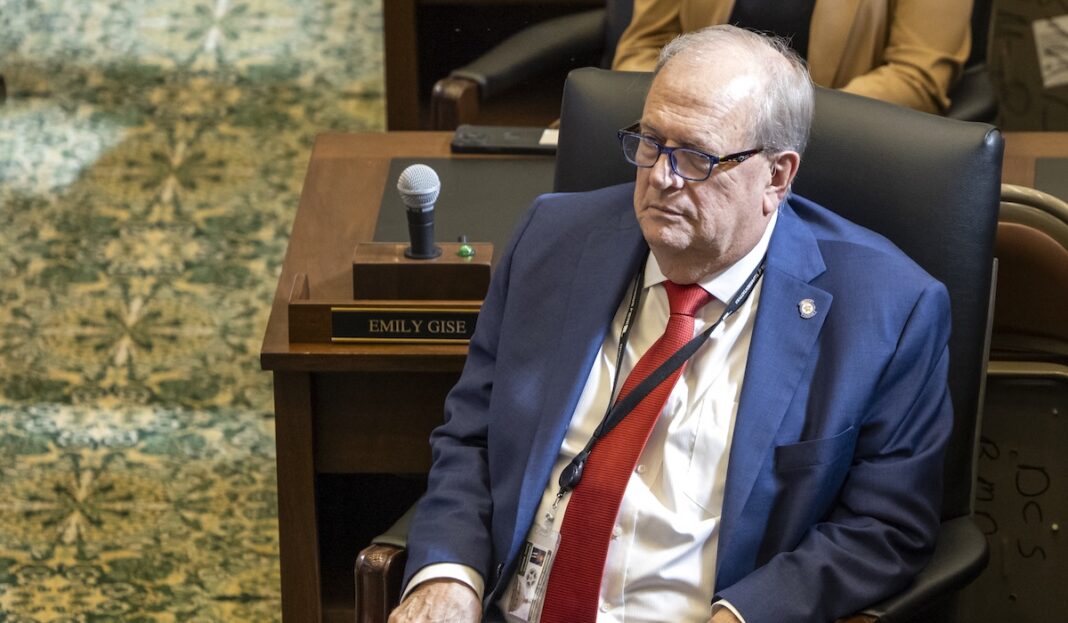
An Oklahoma House committee censured Rep. Danny Williams, recommended that he resign and proposed restrictions that would sharply limit his ability to work with staff. Williams denies wrongdoing and says the process was unfair.
Oklahoma state Rep. Danny Williams is still technically a lawmaker, but his own Republican colleagues are recommending a workplace setup that sounds a lot like political quarantine. An Oklahoma House panel censured Williams, called on him to resign and proposed rules that would strip him of committee assignments, remove his legislative assistant and prohibit one-on-one interactions with House staff.
House Speaker Kyle Hilbert said the action followed “substantiated allegations of sexual harassment.” According to Oklahoma Voice, the investigation involved 11 witnesses, electronic evidence and an outside law firm in addition to the House’s internal HR process. Williams denies wrongdoing and says he was not given a fair chance to confront accusers or challenge what he calls false allegations.
The House Rules Committee took several separate actions. It recommended that the full House formally censure Williams for disorderly behavior, and the committee itself immediately censured him while calling on him to resign and withdraw from his reelection campaign. Members also recommended that, if he remains in office, he lose all committee assignments and leadership positions, receive no assigned legislative assistant and have no one-on-one contact with House staff.
That is an extraordinary list of restrictions for someone whose job is mostly committees, staff meetings and one-on-one conversations. It is difficult to run a legislative office when the rules governing your continued presence begin to resemble instructions for handling a particularly complicated zoo exhibit.
Hilbert said the first HR complaint reached him in May and that interviews quickly uncovered additional concerns requiring more witnesses. He said that if Williams had been a private employee rather than an elected legislator, he would have been terminated. The Oklahoma Constitution, however, does not allow the House speaker to simply fire an elected representative, which is why the disciplinary process has become so elaborate.
The committee did not publicly reveal the detailed allegations, saying confidentiality was necessary to protect those who came forward. Hilbert nevertheless characterized the conduct as repeated sexual harassment involving multiple female House employees. Oklahoma Voice reported that the investigation included both witness testimony and electronic evidence. Williams has called the proceeding unfair and says lawmakers accepted allegations he was unable to properly rebut.
There is also a procedural wrinkle that helps explain why some recommendations sound stronger than what the committee can actually enforce. The panel can censure Williams and the speaker can control committee and staff assignments, but only the full House can expel a member, and that would require a two-thirds vote. Williams is also already on the November ballot, and the deadline to remove his name has passed.
So his own party has arrived at an awkward middle ground: it is asking him to leave while simultaneously planning for what happens if he does not. The answer, apparently, is to let him remain a representative while removing many of the ordinary tools representatives use to do the job.
The case is a reminder that elected officials occupy an unusual workplace category. A corporation can investigate a manager and fire that person. A legislature must balance workplace safety, due process and the reality that voters — not HR — hired the member. That means allegations that would normally lead to termination can instead produce committee votes, censures and a long list of restrictions that sound increasingly strange the longer you read them.
Williams says the process denied him fundamental fairness. His colleagues say the evidence was substantial enough to justify immediate action. Those claims are now competing in public while the underlying details remain mostly confidential, which puts voters in the position of evaluating both the House’s investigation and Williams’ denial without seeing all of the evidence themselves.
That is why the committee’s bipartisan votes matter. The recommendations were not merely statements from political opponents. Republican lawmakers joined in censuring a Republican colleague and asking him to step aside after reviewing the investigative record. That does not automatically prove every allegation, but it makes this more than a campaign-season accusation tossed across the aisle.
Until Williams resigns, loses reelection or the full House takes further action, he remains a legislator. He may just be a legislator with no committees, no assistant and strict rules about contact with staff — which is not exactly the traditional definition of a productive term in office.
The broader question is whether voters should treat a legislature’s substantiated internal findings as enough to disqualify an elected official politically, even when the official insists the process was unfair and the most sensitive evidence remains private.