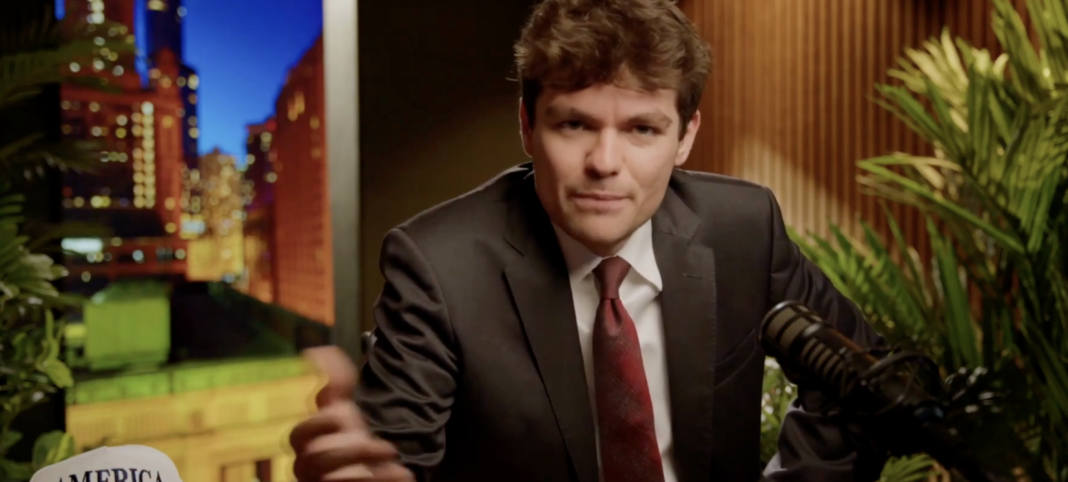




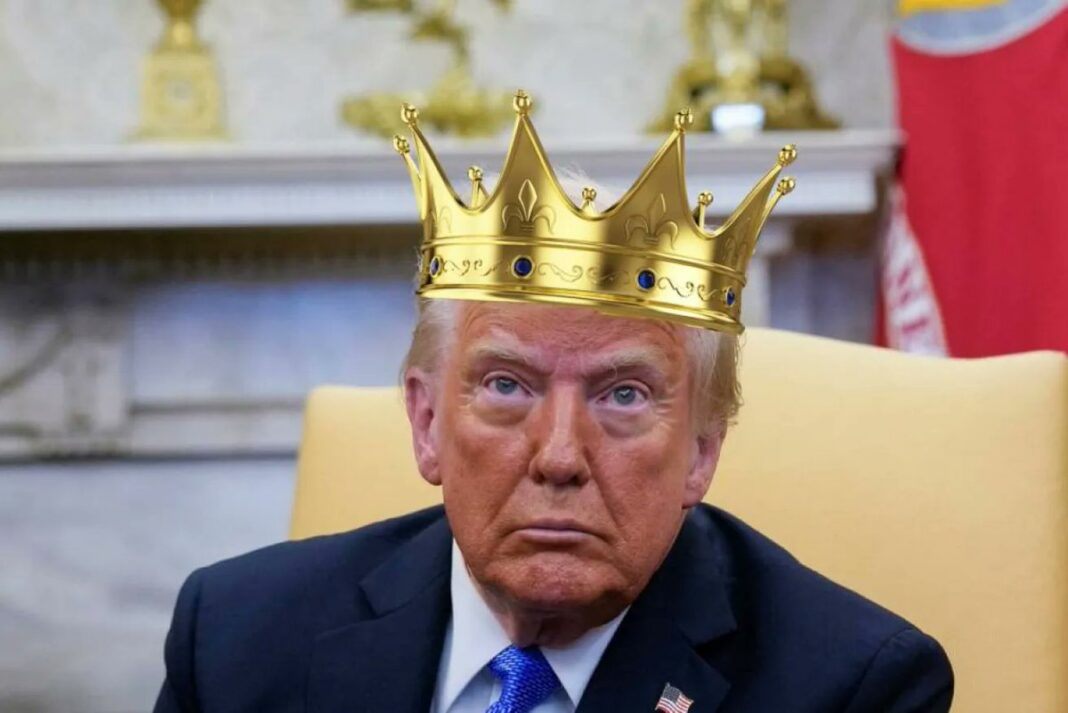
Outgoing Sen. Thom Tillis says Congress has surrendered too much power to presidents and warns that Trump advisers afraid to challenge him are making the problem worse.
Republican Sen. Thom Tillis is leaving Washington, which has apparently freed him from one of Congress’s most durable traditions: pretending everything is basically fine until the book deal starts.
In a 60 Minutes interview tied to his new book, the North Carolina Republican warned that the United States could end up with what he called a “dictator king” if Congress continues surrendering power to the executive branch. He also described some people around Donald Trump as “sycophants” who fail to tell the president when he is making a mistake.
Tillis’s warning was not framed as an accusation that Trump is already a dictator. His argument was broader and more institutional: presidents of both parties keep accumulating power while members of Congress become too afraid, too partisan or too politically dependent to push back.
“We always make the mistake when our guy’s in office of conveying power to the White House,” Tillis told CBS. He said that pattern existed under Barack Obama and Joe Biden as well as Trump, and argued that lawmakers repeatedly weaken their own branch whenever doing so helps the president they currently support.
Then came the line built for television. Tillis said that if the executive branch keeps using its influence to threaten primary challenges, undermine lawmakers’ independence and reduce Congress to something weaker than a coequal branch, “we will have a sort of dictator king if we’re not careful.”
That is a remarkable phrase from a sitting Republican senator talking about a Republican president’s Washington. It is also more complicated than a simple anti-Trump sound bite, because Tillis’s criticism is aimed as much at Congress as at the White House.
He says too many lawmakers privately object to Trump administration decisions but stay quiet because they fear being targeted in a primary. In his new book, Tillis claims at least 30 Republican senators have expressed private reservations about Trump actions they were unwilling to challenge publicly.
Tillis understands the incentive because Trump threatened to back a primary opponent against him after the senator opposed the president’s major tax-and-spending bill over Medicaid concerns. Rather than fight through a MAGA-backed primary, Tillis announced he would retire.
That retirement has clearly expanded his vocabulary. His book is titled How to Lose Friends and Antagonize Presidents and includes what he calls the administration’s “WTF moments.” Washington memoirs usually wait until page 200 before anyone admits what everyone was saying in the hallway. Tillis appears to have moved the hallway directly into the subtitle.
He also used the interview to unload on several Trump administration figures. Tillis criticized Defense Secretary Pete Hegseth, former Homeland Security Secretary Kristi Noem, Health Secretary Robert F. Kennedy Jr., Commerce Secretary Howard Lutnick and White House deputy chief of staff Stephen Miller. He described Hegseth and Noem as examples of people who should not have received the authority they were given.
At the same time, Tillis is not presenting himself as a converted Democrat. He describes himself as pro-gun, anti-abortion, fiscally conservative and supportive of Trump’s initial strike on Iran. He also voted to confirm Trump’s Cabinet nominees, including Hegseth, a vote he now calls his biggest regret.
That mixture is what makes the criticism politically interesting. Tillis is not arguing that conservative policy itself is the problem. He is arguing that loyalty to a president has become more important than institutional independence for too many elected Republicans.
He also warned about the possibility of another January 6-style reaction if Trump-backed candidates have a bad midterm election. Tillis called January 6 “despicable” and said there is a real risk of another major political mistake if election losses are treated as illegitimate by default.
Critics of Tillis can fairly point out that he often supported Trump when the stakes were highest. He voted against convicting Trump in the second impeachment trial and supported much of the administration’s agenda. His warnings arrive as he prepares to leave office, when the political cost of saying them is dramatically lower.
Tillis would likely answer that this is exactly the problem: lawmakers speak more freely when they no longer fear the next primary. If that is true, the issue is not one retiring senator’s courage. It is the incentive structure around everyone staying.
The question is whether Republicans treat Tillis as a disgruntled outgoing senator settling scores — or as someone describing the conversations his colleagues have privately while refusing to say the same things in public.