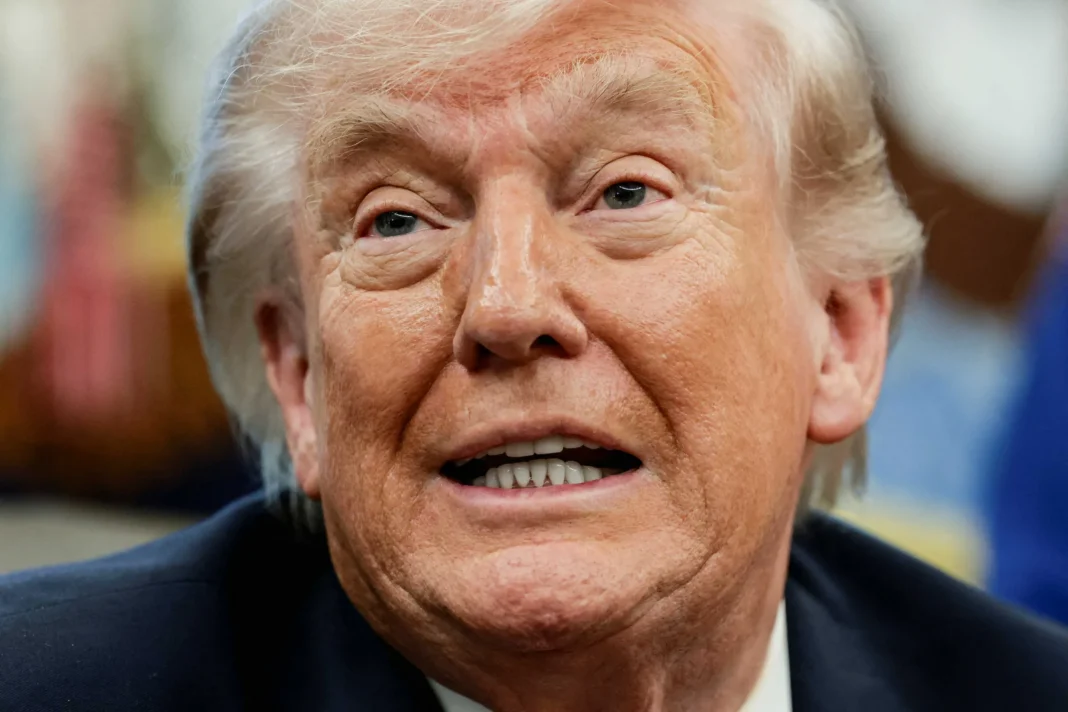




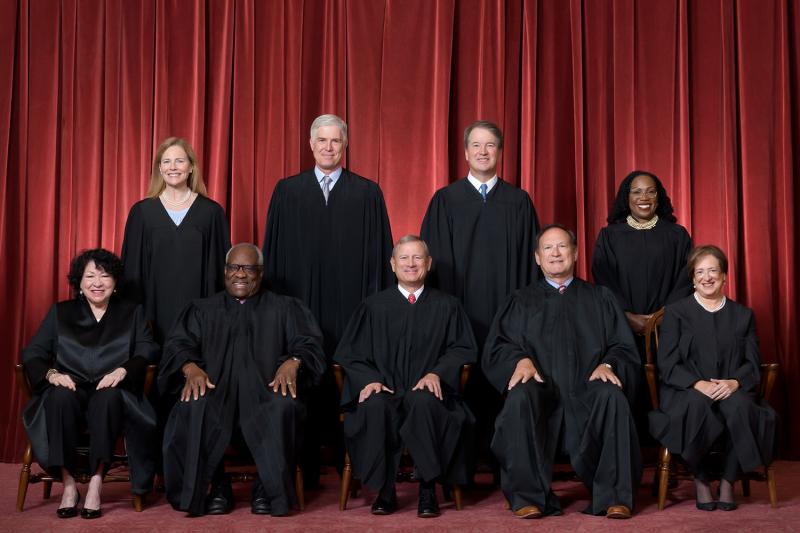
A former Trump White House aide who helped arrange the infamous December 2020 Oval Office meeting to seize voting machines just lost his Supreme Court appeal. On Monday, the justices declined without dissent to hear a petition from Garrett Ziegler, ending his attempt to expand protections under California’s anti-SLAPP statute.
The rejection closes the door on a legal dispute that began with an alleged impersonation scheme targeting a Democratic fundraiser, escalated into published personal contact details and a wave of harassment, and ultimately landed Ziegler in front of the nation’s highest court. Not a single justice thought the case was worth their time.
What’s actually going on
The underlying lawsuit stems from a 2022 phone call. The plaintiff answered believing he was speaking with a Democratic operative. After the call ended, he received an image of a squid, the phrase “NOTHING IS BEYOND OUR REACH,” and the words “Marco Polo.” The man on the other end was Kevin Morris, the entertainment lawyer once described as Hunter Biden’s “sugar brother.”
Ziegler responded to the resulting 2023 lawsuit with an anti-SLAPP motion, a legal tool designed to protect defendants from suits that target free speech activity. He lost most of it. A California court ultimately ordered Morris to pay Ziegler $50,000, but Ziegler’s attorney argued the anti-SLAPP statute hadn’t gone nearly far enough. Attorney Jennifer Holliday told Fox News Digital, “It’s not really how I envisioned it would play out, which is why we filed a petition with the Supreme Court.”
The justices were unmoved.
The BuzzyTimes take
Ziegler is not a fringe player. He brokered the December 18, 2020, Oval Office meeting between Trump and figures including Michael Flynn and Sidney Powell, a session explicitly designed to convince the president to seize voting machines and overturn the election. After testifying before the January 6 committee in 2022, he erupted in a nearly 30-minute Telegram rant, calling the panel “a Bolshevistic, anti-white campaign” and attacking former colleagues Cassidy Hutchinson and Alyssa Farah Griffin. He also reshares content from white nationalist Nicholas Fuentes.
At Hunter Biden’s 2024 gun trial, his wife, Melissa Cohen-Biden, confronted Ziegler in a courthouse hallway, calling him a “Nazi piece of s—.” Ziegler denied the accusation.
At some point, the campaign to expose Biden family dirt required impersonating a Democratic fundraiser, publishing his contact details, and then arguing that doing so constitutes protected speech deserving of Supreme Court intervention. The absurdity is not that Ziegler lost. The absurdity is that he believed he would win.
What we’re watching
The Supreme Court’s unanimous decision not to hear the case sends a signal about the limits of anti-SLAPP protections when the underlying activity crosses into impersonation and targeted harassment. California’s statute was designed to shield legitimate speech from frivolous lawsuits. It was not designed to shield operatives who trick people into conversations, then publish their personal information to weaponize an audience.
Ziegler built a nonprofit around publishing Biden family dirt. He continues to operate in the public sphere. The legal setback does not appear to have slowed him down. What it does is clarify that the courts, including the Supreme Court, are not willing to treat his methods as constitutionally protected activism.
The thread worth watching is whether this decision emboldens other plaintiffs targeted by similar tactics, and whether the post-2020 operatives who continue to traffic in impersonation, doxxing, and harassment campaigns will face meaningful legal consequences or simply move on to the next target.
The question is whether the courts rejecting one man’s appeal changes the incentives for anyone else still operating in the same orbit, or whether losing at the Supreme Court is now just another line on the résumé.
Sources: