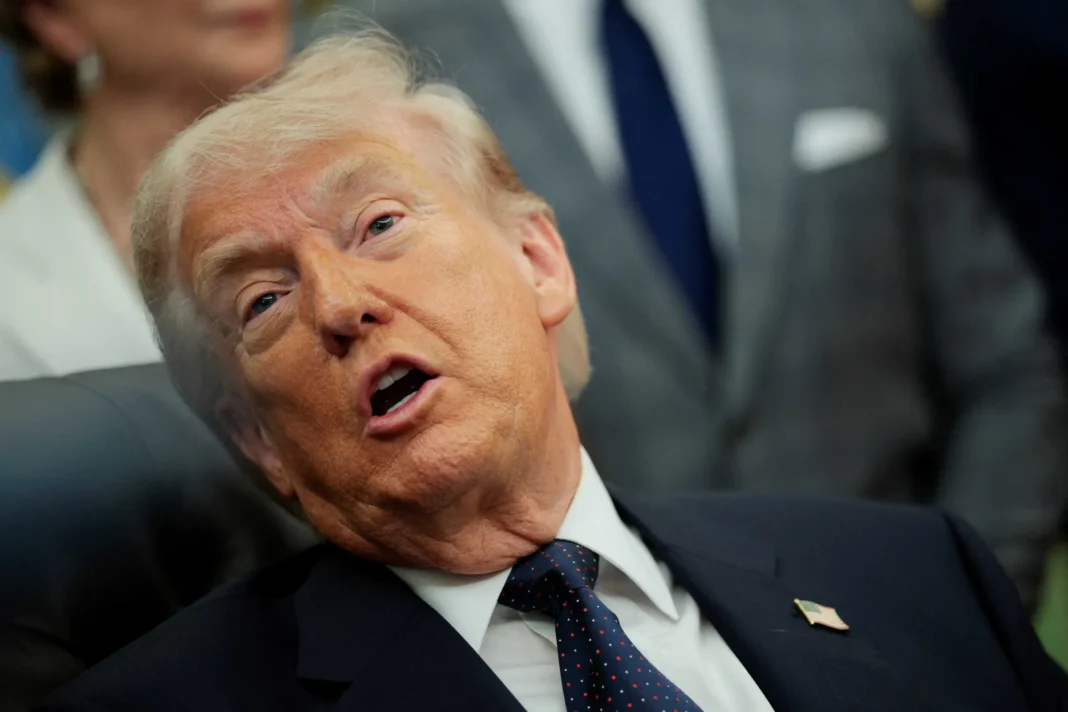




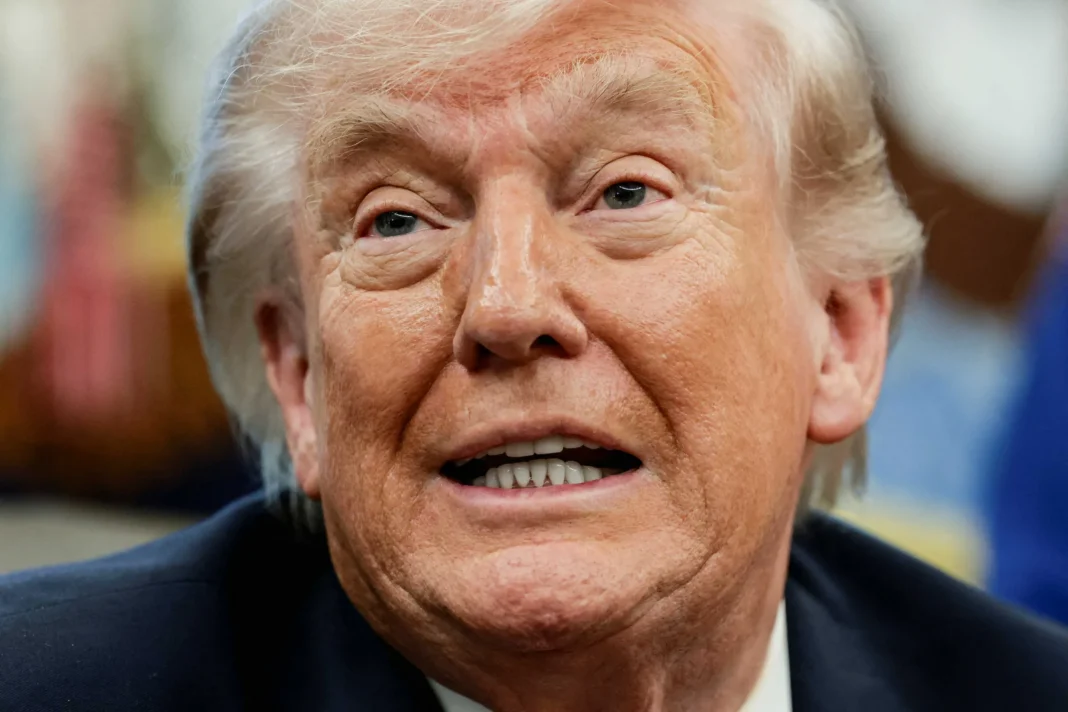
President Donald Trump has backed away from one of his administration’s most audacious proposals: a $1.776 billion fund designed to compensate people who claimed they were improperly prosecuted by the federal government. Sources inside the administration say the fund was effectively killed after Trump met with Republican leaders at the White House on Tuesday. The retreat came after both parties criticized the plan and reporters began asking whether it would pay January 6 defendants convicted of assaulting police officers.
The fund originated from a settlement between Trump’s Department of Justice and the IRS over the president’s leaked tax returns. Multiple Trump allies had publicly said they would seek payments. The dollar amount was not an accident.
Harry Litman, a former federal prosecutor, called the reversal Trump’s “biggest self-inflicted wound of Trump 2.0” in a recent Substack essay. Litman argued that Trump knew he was “pinned between a rock and a hard place” and that the retreat represented a public defeat for a president whose entire brand is built on bravado and winning.
The fund became impossible to defend
The anti-weaponization fund was politically radioactive from the start, but it became completely untenable once the January 6 question entered the conversation. Republicans on Capitol Hill were asked directly whether they supported paying people convicted of violent crimes during the insurrection. The silence was telling. The optics were worse.
Litman wrote that Trump is “backing down precisely because the politics of supporting them became untenable—it is they whom Trump is plainly abandoning.” The fund’s most likely beneficiaries were the people Trump had spent years defending. Now those same people are watching him retreat under political pressure.
The absurdity is structural. A president who has made defiance his defining trait just publicly reversed course on a policy designed to reward his most loyal supporters. And he did it not because the policy was legally flawed, but because it became too embarrassing to defend in an election year.
What the retreat signals
The parameters of the reversal remain unclear. It may be a full capitulation. It may be a tactical pause that the administration will rebrand and attempt again later. Either way, the retreat is now public, and Trump’s opponents will treat it as proof that even he has political limits.
Litman warned that Trump may face backlash from the MAGA base as the midterms approach. He described the episode as “a richly deserved comeuppance for Trump’s staggering audacity in trying to make the American people not just pardon but financially reward the most serious assault on American democracy since the Civil War.”
The fund was always a long shot. What made it remarkable was that it was proposed at all. The fact that it lasted long enough to require a formal retreat suggests that at least some people inside the administration believed it could survive public scrutiny.
What comes next
The real question is not whether the fund is dead. The real question is what Trump does with the political fallout. Does he blame Republican leadership for forcing the retreat? Does he reframe the reversal as a strategic victory? Does he quietly move on and hope the base forgets?
The midterms are approaching. Trump’s allies who expected compensation are now watching him fold under pressure. Republicans who opposed the fund are watching to see whether he tries again under a different name. Democrats are watching to see whether the retreat emboldens further challenges to his agenda.
The fund may be gone, but the tension it revealed is not. Trump built his political identity on the idea that he does not back down. This week, he did. The question is whether his base will treat that as pragmatism or betrayal.
Sources: