


US President Donald Trump and Israeli Prime Minister Benjamin Netanyahu had what sources described as a heated phone call on Monday, with Trump pressing his counterpart to scale back operations in southern Lebanon. Hours later, Netanyahu said the Israeli military would keep striking “as planned.” Meanwhile, delegations from Israel and Lebanon sat down at the State Department on Tuesday for high-stakes talks, even as Hezbollah and Israeli forces continued trading strikes overnight.
The drama is layered. Trump publicly declared that Israeli forces would not move on Beirut. Netanyahu responded by continuing airstrikes across southern Lebanon. At the same time, Lebanese authorities said Hezbollah had agreed to a US proposal for a ceasefire in which strikes on Beirut would stop. The strikes have not stopped.
What’s actually going on
The call between Trump and Netanyahu became heated as Trump pressed Israel to scale back its Lebanon offensive, which threatened to upend negotiations with Iran. The tension comes at a moment when the US believes it is close to a deal with Iran to reopen the Strait of Hormuz and extend the ceasefire. Trump said he believes such a deal is reachable “over the next week.”
Iranian state media initially reported Monday that Tehran was suspending peace talks with the US due to Netanyahu’s actions in Lebanon. By Tuesday, Iranian media outlets signaled that talks were ongoing, but Iran’s top negotiator threatened escalation if Israel’s attacks on Lebanon continue.
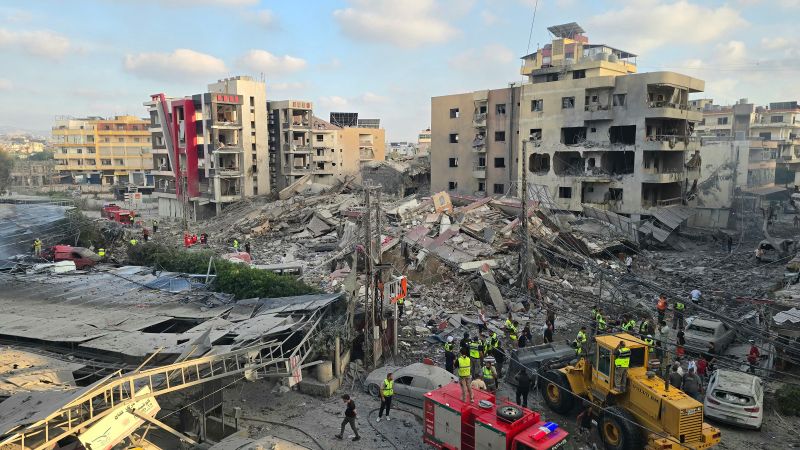
The human toll in Lebanon continues to rise. At least 3,468 people have been killed in Israeli attacks since March 2, the Lebanese Health Ministry said Tuesday. Four people were killed and 127 others injured in an Israeli attack near Jabal Amel hospital in Tyre on Monday, including 39 members of the hospital staff.
The BuzzyTimes take
At some point, a heated phone call between a US president and an ally’s prime minister stops being a diplomatic disagreement and starts being a public test of who actually sets the terms. Trump says no move on Beirut. Netanyahu says strikes continue as planned. The Lebanese Embassy says Hezbollah agreed to a US ceasefire proposal. Hezbollah says it targeted an Israeli tank early Tuesday. Everyone is saying they’re following the plan. Nobody appears to be following the same plan.
The absurdity is not that allies disagree. The absurdity is that the disagreement is now playing out in real time while delegations sit in Washington for talks, strikes continue on the ground, and a separate set of negotiations with Iran hangs in the balance. Trump claimed Monday that he held a call with “representatives of the Leaders of Hezbollah” who agreed to stop shooting at Israel. The strikes overnight suggest that message did not land, was not sent in the first place, or was sent and ignored.
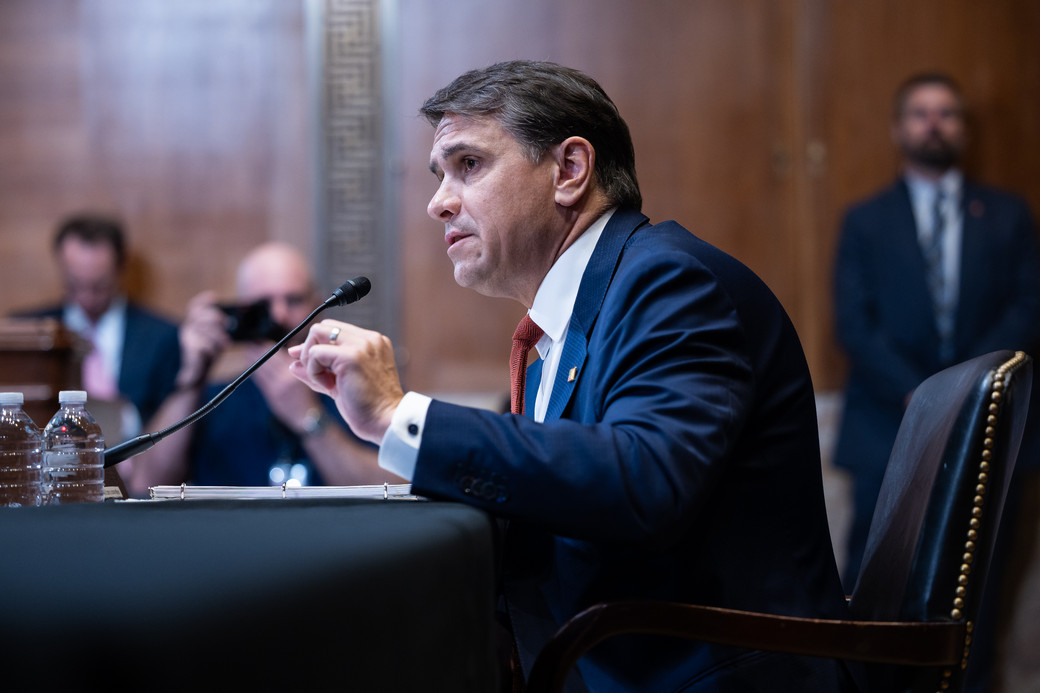
US Secretary of State Marco Rubio told the Senate Foreign Relations Committee on Tuesday that negotiations on Iran’s nuclear program would be “highly technical” and could take months. He said such a phase would be predicated on Iran reopening the Strait of Hormuz. Iran’s Islamic Revolutionary Guard Corps reported that 24 boats passed through the strait in the last day after obtaining authorization. The strait has been effectively closed since the US and Israel launched strikes on February 28.
What we’re watching
The next 72 hours will clarify whether Trump’s call with Netanyahu was a negotiating tactic or a red line. If Israeli strikes in southern Lebanon continue at the current pace, the question becomes whether the US will apply pressure beyond a phone call. If the strikes scale back, the question becomes what Netanyahu secured in exchange, and whether that derails the broader Iran talks Trump says are a week away from closing.
Lebanese Prime Minister Nawaf Salam backed the resumption of Washington negotiations on Tuesday, calling talks “the least costly option for Lebanon and the Lebanese.” Israeli Defense Minister Israel Katz claimed Tuesday that the United States backed Netanyahu’s move to strike. That claim has not been confirmed by the US.
The working-level security talks that kicked off at the Pentagon on Friday between Israeli and Lebanese military delegations were supposed to stabilize the ceasefire extension. Instead, the ceasefire appears to be holding in name only. Hezbollah says it will refrain from attacking Israel in exchange for Israel ceasing strikes in Beirut. Israel says it is acting against Hezbollah infrastructure. The hospital in Tyre, according to the Israeli military, was not targeted but was affected as a result of strikes aimed at nearby Hezbollah positions.
Rubio touted what he called the substantial erosion of Iran’s “conventional shield” during the war Trump launched against Iran in late February. What remains of Iran’s navy, Rubio said, is “a bunch of Boston Whalers with machine guns on them.” He acknowledged that Iran “still has a lot of drones,” adding that the cheapness of the technology makes it a difficult threat to address. The lifting of US sanctions on Iran, he said, would be conditions-based.
The question Trump and Netanyahu are now answering in public is whether the US still sets the terms for its allies in the middle of a war it helped launch, or whether Netanyahu has correctly calculated that Trump needs the Iran deal more than Trump needs compliance from Jerusalem.
Sources: