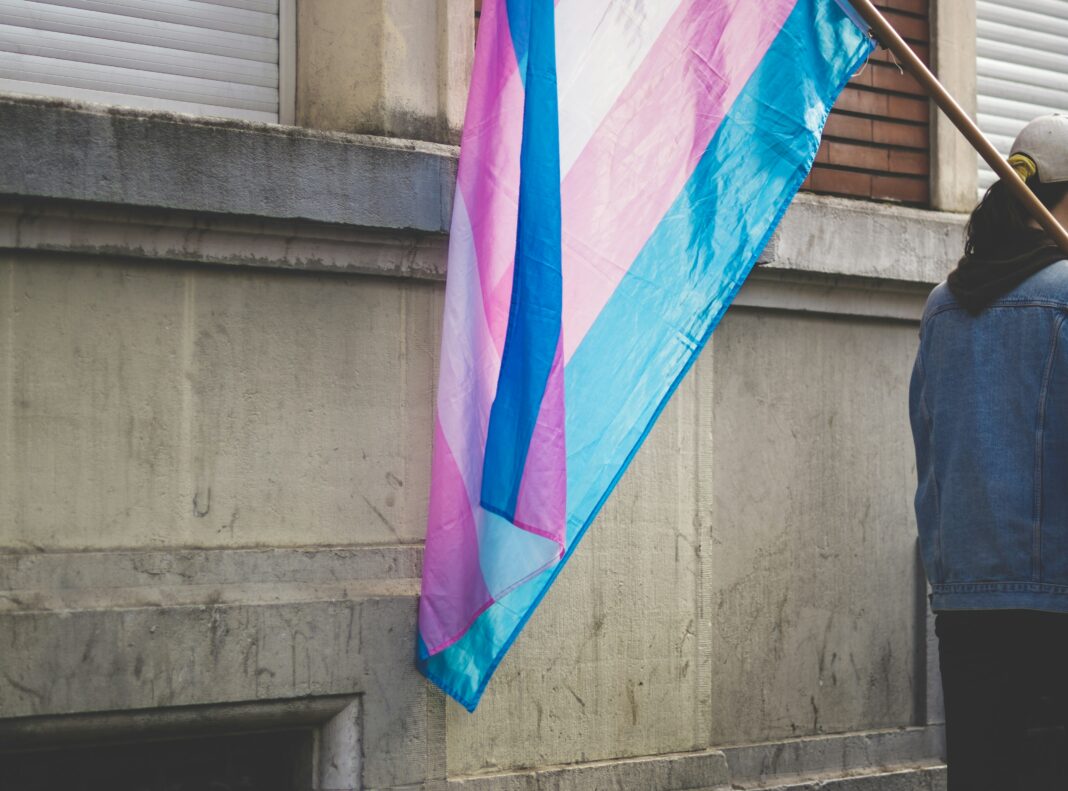




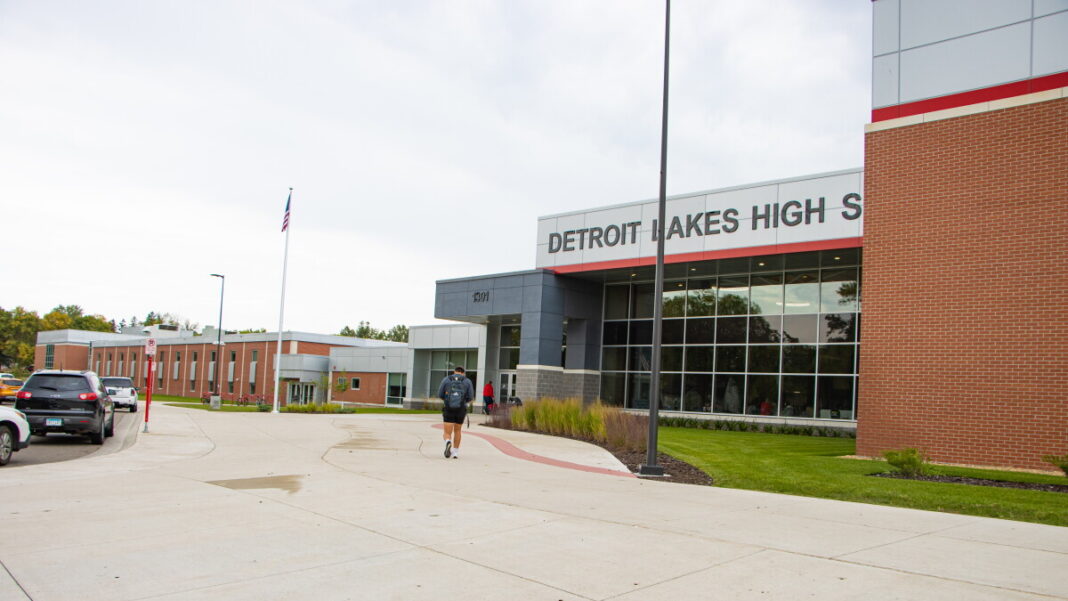
A 2-by-3-inch rainbow sticker is now at the center of a full-blown constitutional lawsuit in Minnesota. The ACLU of Minnesota and two students are suing Detroit Lakes Public Schools after the school board adopted a policy targeting rainbow stickers, posters, flags, buttons and similar materials displayed on district property.
The fight began in July, when the board voted 4-2 to remove non-school materials that were not funded, sponsored or authorized by the district. The resolution specifically included rainbow-themed items. Supporters of the policy argue that schools should remain neutral and avoid turning classrooms into spaces for political or ideological advocacy. Opponents say the policy is anything but neutral because it singles out symbols closely associated with LGBTQ students and their supporters.
Now a judge may have to decide which description better matches what actually happened.
The ACLU filed suit on behalf of two students, alleging violations of free-speech and equal-protection rights under the Minnesota Constitution, discrimination under the Minnesota Human Rights Act and violations of the state’s Open Meeting Law. The lawsuit is not just challenging what the district banned. It is also challenging how the board allegedly went about adopting the policy.
According to the ACLU and local reporting, the rainbow ban was introduced without being listed on the board’s public agenda beforehand. The lawsuit also alleges that four board members discussed the issue privately before the public vote. Those claims remain allegations in active litigation and have not yet been decided by a court, but they add another layer to a dispute that was already much bigger than classroom decoration.
The stickers themselves are familiar in schools across the country. Teachers sometimes put small rainbow flags or “safe space” signs near classroom doors to signal that LGBTQ students can expect a supportive environment. Critics of that practice argue that the symbols communicate a political or ideological message that public schools should not officially endorse. Supporters say the message is much simpler: students should know they will not be mistreated because of who they are.
That disagreement is exactly how a tiny sticker becomes the center of a lawsuit.
One of the students challenging the policy is president of an LGBTQ student organization at Detroit Lakes High School. The ACLU says the rule has already chilled student expression and contributed to an atmosphere where LGBTQ-supportive clothing, signs or symbols may be treated as inappropriate. The district, meanwhile, has argued that it needs a consistent policy governing materials that are not officially sponsored or approved by the school system.
The situation has become even messier because the policy may not be finished. The district superintendent has said administrators had not directed staff to remove materials while the board continued discussing the language, and some board members have been working on a revised version of the policy. But changing the wording may not make the lawsuit disappear.
The ACLU argues that rewriting the rule in more neutral language would not necessarily solve the constitutional problem if the original intent or practical effect is still to suppress one specific viewpoint. Supporters of the restriction argue that the opposite is true: a broader rule covering all unofficial symbols could create exactly the kind of neutral standard they say the district needs.
That disagreement spilled into public view during a tense school board work session, where members argued over both the substance of the policy and how the process had been handled. One board member who opposed the ban said the process had created “confusion, and then more confusion.” Another member who supports the policy argued that repeatedly reopening the fight was only making the situation worse.
At this point, the case has moved well beyond the original sticker.
Public schools routinely regulate what teachers and students can place on walls, doors and bulletin boards. Districts also have broad authority to manage classrooms and school property. But that authority has constitutional limits, particularly when officials restrict speech based on viewpoint or treat certain groups differently from others.
That distinction could end up being central to the lawsuit. A school district adopting a genuinely neutral policy that bans all unauthorized symbols presents one legal question. A district adopting a supposedly neutral policy because officials specifically want to suppress one type of message presents a much different one.
The ACLU is arguing that Detroit Lakes falls into the second category. The district and individual board members will have an opportunity to argue otherwise in court.
For now, Detroit Lakes has managed to turn one of the smallest pieces of classroom decoration imaginable into a much larger fight over free speech, school neutrality, LGBTQ rights and how much authority local school boards should have over what teachers and students display.
And maybe that is the most predictable part of the whole story. A sticker is rarely just a sticker once everyone agrees it represents something bigger.
So where should a public school draw the line: should teachers be allowed to display rainbow “safe space” stickers, or should districts restrict classrooms to officially approved school materials?
Sources
MPR News — Minnesota ACLU sues Detroit Lakes Public Schools over rainbow ban
ACLU of Minnesota — Complaint and announcement challenging Detroit Lakes rainbow ban
CBS Minnesota — ACLU files lawsuit against Detroit Lakes schools