



Jensen Huang admitted infidelity as Nvidia opened an independent review of allegations that he was targeted by foreign intelligence.
A Silicon Valley Scandal With National-Security Stakes
Nvidia makes the chips that help power the artificial-intelligence boom. Now its chief executive is at the center of a story involving an admitted affair, a reported intelligence investigation and questions about whether sensitive technology was exposed. This is not the sort of problem a software update can fix.
On November 8, Nvidia announced that its board was opening an independent investigation after reporting that founder and CEO Jensen Huang may have been targeted by a foreign intelligence effort. Huang separately acknowledged in a message to employees that he had been unfaithful to his wife. He apologized to his family and colleagues and said he would cooperate with the review.
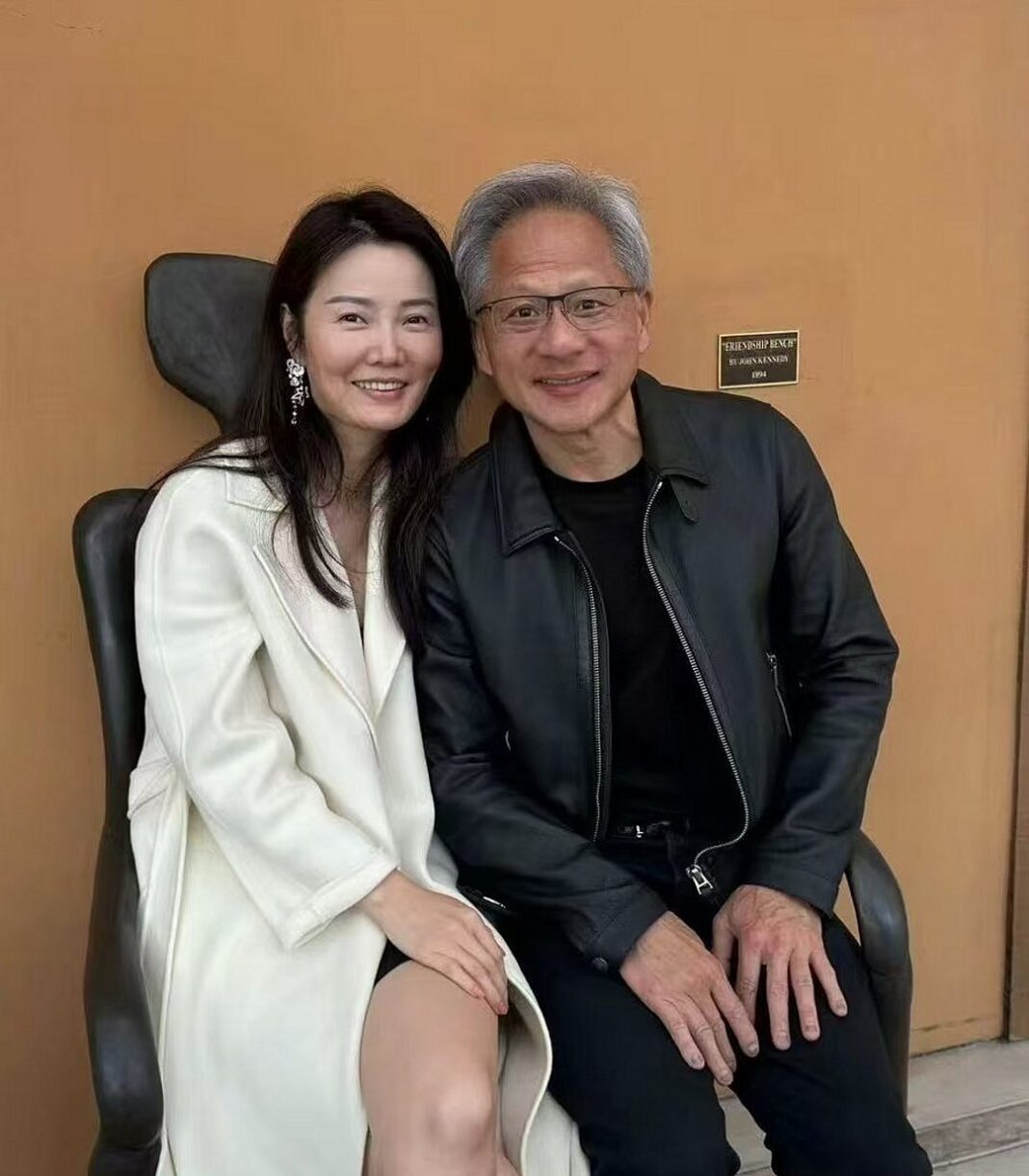
The immediate trigger was reporting about Huang’s relationship with Alice Huang, a businesswoman unrelated to him who had worked for Singapore-based Megaspeed. Reuters reported that the New York Times had alleged U.S. authorities investigated her and concluded she was a Chinese intelligence asset. That is an allegation reported by news organizations, not a finding announced by Nvidia’s board.
What Nvidia Says It Knows
The company’s statement was carefully drawn. Nvidia said its board had no reason to believe U.S. national security or company secrets had been compromised, while also saying the inquiry would examine all available information. Independent directors and outside counsel will oversee that work.
The board also expressed confidence in Huang and his leadership team. A company spokesperson said he remained committed to leading Nvidia without interruption. None of that settles the underlying intelligence questions, but it makes clear that an investigation is not the same as an announced breach or a conclusion that the CEO knowingly shared secrets.
Huang’s message to employees took responsibility for his infidelity without assigning blame to his family. The company’s public account places the personal admission alongside a much larger corporate concern: whether someone with access to the most influential chipmaker in the AI economy was deliberately cultivated for information.
Why the Chips Matter
Nvidia’s advanced processors are central to modern AI development, and Washington has restricted exports of some powerful chips to China. Reuters reported that U.S. authorities had scrutinized Megaspeed over suspicions it helped China obtain technology covered by those restrictions. The connection makes the story much more consequential than a conventional executive romance scandal.
It also makes precision essential. A reported relationship with a person investigated by intelligence authorities does not, by itself, prove that classified information was disclosed, export controls were violated or Huang knew of any alleged intelligence role. The questions are serious precisely because the answers are not yet established.
For investors, the uncertainty arrives at a sensitive moment. Nvidia has become a defining company of the AI era, and Huang’s public identity is closely tied to its rise. An independent inquiry involving the CEO can generate questions about governance and succession even before investigators produce findings.
Washington Wants Answers
Reuters reported that Republican leaders of three House committees had requested a closed-door briefing from Huang for November 18. Their concerns centered on potential access to sensitive U.S. technology and information. Congressional scrutiny is not a criminal charge, but it raises the stakes for a company operating at the intersection of commerce and national security.
President Trump, asked about the matter, said he had not spoken with Huang about the allegations and described him favorably. Reuters also reported that the New York Times said Trump had been briefed on intelligence findings roughly a year earlier. Those are attributed accounts; the contents and implications of any such briefing have not been independently established here.
China’s foreign ministry had not immediately answered Reuters’ request for comment at the time of its report. Megaspeed also had not immediately responded. The absence of those responses should not be mistaken for confirmation of the allegations.
An Inquiry, Not a Verdict
There are at least three stories unfolding at once: Huang’s acknowledged personal conduct, the reported intelligence concerns surrounding another person, and Nvidia’s effort to determine whether corporate or national-security interests were affected. Blending them into a single proven espionage plot would be tempting headline alchemy, but it would be inaccurate.
The board has promised a process run by independent directors. The public will have to judge the company’s eventual findings against the reporting that prompted the review, while lawmakers seek their own answers. Until then, the biggest confirmed development is that Nvidia has opened an inquiry and its CEO has publicly acknowledged an affair.
For a company whose technology is marketed as the future of computing, the next challenge is strikingly old-fashioned: trust, judgment and the difficult business of finding out who knew what. Silicon Valley can automate a lot. It still cannot automate away a scandal.