


A Press Secretary and a Professional Title
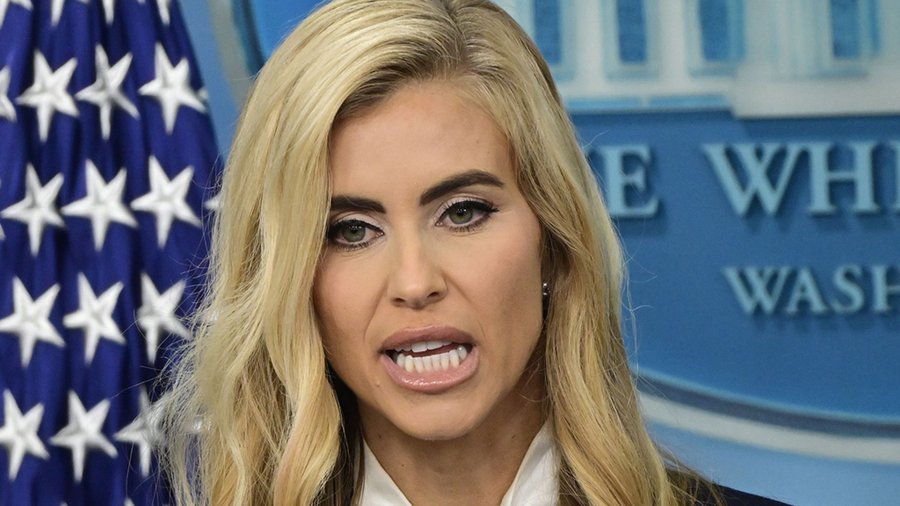
Politics is full of people with impressive titles, but the word lawyer comes with a particularly awkward feature: state licensing rules. Former White House press secretary Katie Zacharia is now the subject of an investigation by the State Bar of California after a watchdog alleged that she described herself as a lawyer despite never passing a bar exam. The bar made the investigation public on November 19, according to the Los Angeles Times. It is the kind of credential dispute that can quickly overwhelm whatever carefully crafted message a former presidential spokesperson hoped to deliver.
The investigation stems from a complaint filed by the nonprofit Campaign for Accountability. The watchdog alleged that Zacharia’s public use of the lawyer title may have violated California law. An investigation is not a disciplinary finding, a criminal charge or proof that a law was broken. Zacharia’s spokesperson rejected the complaint as politically motivated and predicted it would be dismissed without a finding of wrongdoing. Those responses are central to the story, because the legal meaning of a professional title can be more complicated than the internet’s preferred yes-or-no verdict.
Zacharia graduated from Pepperdine University’s law school in 2011, the Times reported, but did not pass the bar examination in California or another state. A law degree is a real academic credential; admission to practice law is a separate professional qualification. Many graduates work in policy, business, media and government without practicing as attorneys. The controversy concerns how Zacharia presented herself publicly, and whether that presentation suggested she was entitled to practice law. The distinction may sound dry until a former White House press secretary becomes the person at the center of it.
The Watchdog Complaint and the Response
Campaign for Accountability submitted its complaint in October, and the State Bar’s subsequent decision to open an investigation gave the dispute a formal procedural status. The watchdog has welcomed that step. But opening a file is what regulators do when they believe a complaint warrants review; it does not mean the complainant has won. That point can disappear once the phrase ‘under investigation’ starts bouncing around partisan social feeds. In this case, the regulator still has to determine the relevant facts and how California’s rules apply to the statements at issue.
A spokesperson for Zacharia told the Los Angeles Times that the complaint was a waste of the State Bar’s resources and that the allegations were politically motivated. Zacharia has also addressed the broader controversy in an interview with Human Events. She described preparing to take the California bar exam after getting married while planning a move to China to join her husband. She said the results mattered less to her because she did not expect to need the credential in China. That explanation helps describe her career decisions, though it does not by itself resolve how she later used the title.
In that interview, Zacharia said she had consulted legal experts about whether calling herself a lawyer was appropriate when offering legal analysis and was told it was acceptable. Those are her reported statements, not an independent determination by the State Bar. The regulator’s job is to examine the specific conduct, context and applicable law. It would be premature to predict the outcome. The case illustrates why political biographies can become battlegrounds over details that once seemed too small to attract public attention.
Why the Distinction Matters
California restricts the unauthorized practice of law and representations that imply a person is entitled to practice without the required license. The Times noted that certain violations can carry misdemeanor penalties. That does not mean Zacharia faces such a charge today, or that every use of the word lawyer by a law-school graduate automatically violates the law. The precise wording, setting and implications of the statements matter. Professional regulation is not a game of finding one stray noun in an old television appearance and immediately declaring victory.
There is also an unmistakable political dimension. Zacharia served in a highly visible communications role for Donald Trump, and a watchdog’s complaint about her credentials is bound to be interpreted through that lens. Her defenders can argue the issue is being weaponized; critics can argue that public officials and commentators should describe their qualifications with precision. Both positions can be aired without confusing a partisan argument with the regulator’s eventual legal analysis. The State Bar will have to make its own determination on the evidence.
The irony is that the dispute is about words, which are exactly what press secretaries are hired to handle. In politics, a carefully chosen phrase can carry an entire day’s message; an imprecise credential can become the day’s message instead. For now, the verified development is straightforward: a formal investigation has opened, a watchdog is pressing its allegations, and Zacharia disputes them. The rest will depend on the State Bar’s findings. It may not be the career story she wanted, but it is certainly a reminder that job titles can be harder to manage than a White House briefing room.
A further question is how regulators distinguish between someone describing legal education and someone representing an entitlement to provide legal services. Public appearances can blur that boundary, especially when a commentator’s biography is shortened for television or online promotion. The bar’s inquiry may examine the exact language and circumstances, rather than treating every appearance as identical. For readers, that is a reminder that the headline’s most dramatic word—impersonation—is an allegation to be tested, not an established finding. Zacharia’s response deserves to appear alongside the complaint, and the eventual regulatory outcome will matter more than the loudest initial reaction.