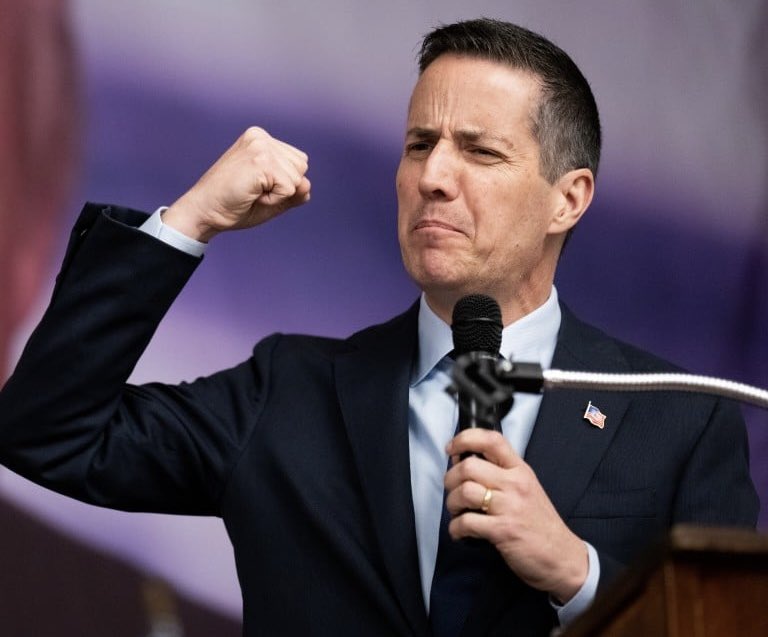




Maine Democrat Troy Jackson snapped at Sen. Susan Collins during a debate after she suggested an interrupting protester was his supporter. Jackson says he does not regret it.
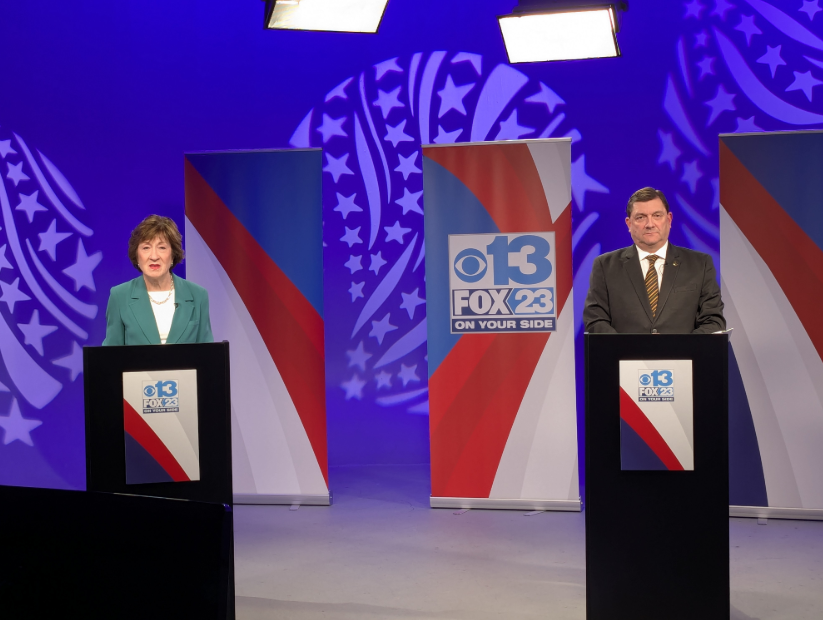
Maine’s final Senate debate had the usual ingredients: policy differences, campaign attacks and carefully rehearsed closing arguments. Then a protester interrupted, Susan Collins blamed Troy Jackson’s side, and Jackson responded with the sentence every debate coach hopes never reaches the highlight reel: “Oh, shut up.”
The exchange happened after 19-year-old Bowdoin College student Henry Elgie interrupted the debate. Collins suggested the protester was supporting Jackson, her Democratic challenger.
Jackson immediately pushed back, saying, “Oh, shut up. I don’t even know that kid.” The moment went viral because Senate debates are normally engineered to produce clips about Social Security, taxes or health care, not something that sounds like Thanksgiving dinner after somebody brings up politics.
Jackson later went on CNN and said he does not regret the comment. He argued that Collins was trying to attach him to someone he did not know and said he was not going to sit quietly while she made that implication.
The protester himself later said he had no connection to Jackson’s campaign. Elgie is affiliated with the Sunrise Movement, which later praised his protest, but both he and Jackson deny any campaign coordination.
Collins seized on Jackson’s response as evidence of temperament problems. Her campaign pointed to prior reports from Maine lawmakers who have accused Jackson of losing his temper in the past.
Jackson has acknowledged some past outbursts and apologized for certain incidents. He says there is a difference between having a temper and allowing an opponent to say something about him onstage that he believes is false.
The clip matters because the Maine race is one of the most closely watched Senate contests in the country. Collins is a longtime Republican senator with a reputation for moderation, while Jackson is running as a more combative, working-class Democrat.
That contrast was on full display in approximately six words. Collins made the insinuation. Jackson skipped the polished rebuttal and went straight to “shut up.”
For supporters, it was authentic. For critics, it was undisciplined. For television producers, it was the best thing that happened all night.
Jackson’s refusal to apologize also guarantees the moment will remain part of the race. Campaigns usually try to bury a viral gaffe. Jackson is effectively saying voters can watch it again if they want.
The incident also shows how quickly a protester who is not affiliated with either campaign can hijack the story of a debate. The candidates spent months preparing their messages, and a college student still managed to turn the biggest headline into two adults arguing over who knew him.
Nothing about the exchange changes the underlying policy stakes in Maine. It does, however, give voters a useful preview of how Jackson handles being provoked.
He has now made clear that, under the right conditions, the answer is not a focus-grouped line. It is “Oh, shut up.”