



A Camera Finds the Wrong Moment
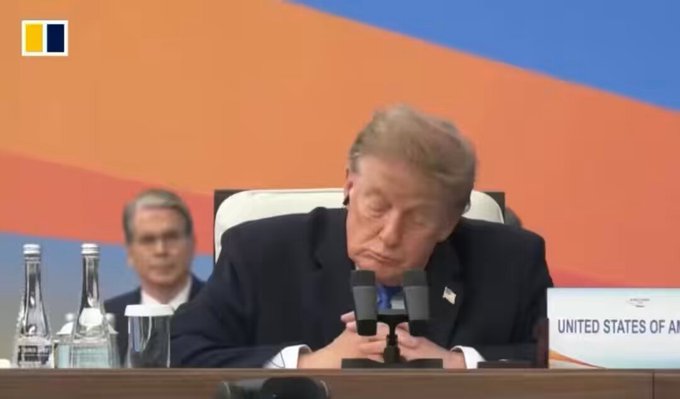
Donald Trump traveled to China for high-stakes diplomacy with world leaders. The clip that quickly escaped into the internet, however, was not a handshake or a negotiating breakthrough. It was footage of the American president sitting with his head lowered and eyes closed while Chinese President Xi Jinping addressed the APEC summit in Shenzhen.
The South China Morning Post published a short video on November 19 showing the moment. Its reporting described Trump as seemingly dozing during Xi’s remarks. The Independent also posted footage, describing him as closing his eyes and lowering his head. The visual evidence supports saying he appeared to nod off; it does not conclusively prove he was asleep.
That distinction is important, but it does not make the video less unusual. The world’s cameras were trained on a summit of leaders discussing trade, regional integration and security. One of the most widely shared images was a president apparently struggling to remain attentive during the host’s speech. International diplomacy has produced more flattering postcards.
What the Footage Shows
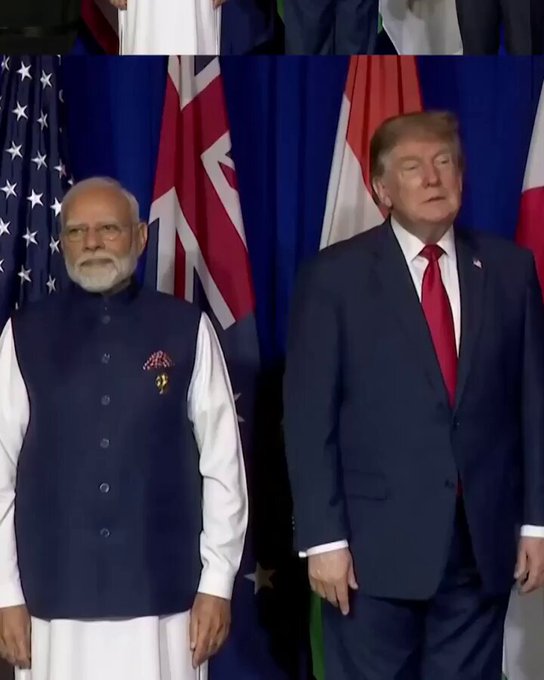
The clip shows Trump seated at a conference table as Xi speaks. Trump’s eyes appear closed and his head is angled downward. Other leaders in the room are visible attending to the proceedings. The South China Morning Post reported that Canadian Prime Minister Mark Carney and Hong Kong leader John Lee were taking notes, while Russian President Vladimir Putin watched the session.
The video is short, and no outside observer can determine with certainty from those seconds whether Trump was sleeping, resting his eyes, reading something out of frame or momentarily looking down. Several news organizations used qualified descriptions such as ‘appears’ or ‘seems.’ That is the responsible standard for a story built around a limited visual record.
The contrast with note-taking leaders helped the footage spread. A camera cut can create an instant narrative: one person looks engaged, another does not, and social media fills in the rest. In reality, the full day contained multiple meetings and remarks, and the clip captures only a fraction of the schedule.
A Packed Diplomatic Itinerary
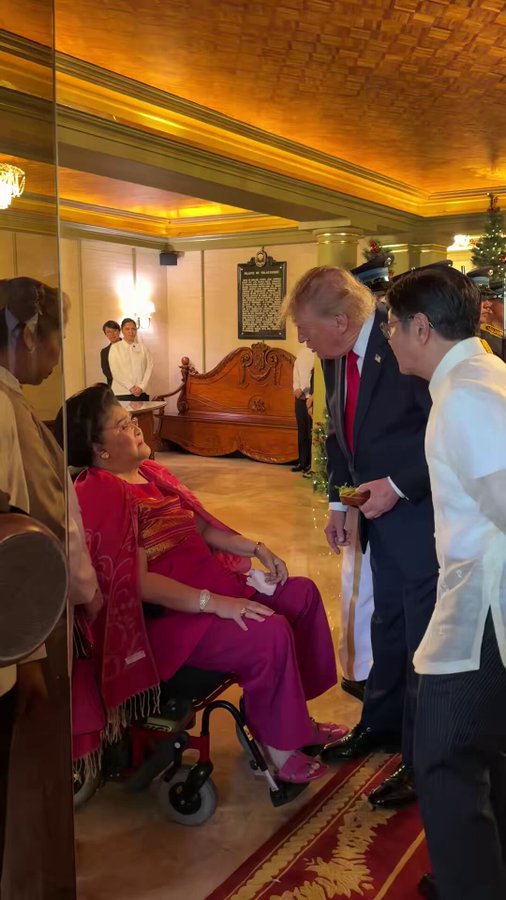
Trump had arrived in China after visiting the Philippines for an ASEAN gathering. The Shenzhen APEC program included talks involving Xi and Putin, and an unusually consequential three-way meeting about nuclear risks and other disputes. Associated Press reporting said the trilateral session produced no major breakthroughs, although the leaders discussed broad areas of concern.
The stakes of the summit were real. The United States and China have major disagreements over trade and security, while Russia’s war in Ukraine and nuclear arms control remain urgent international questions. A video of a president’s eyes closed does not resolve any of those issues, and it should not crowd out reporting on what the leaders actually said or did.
Still, political theater and serious diplomacy have always shared the same stage. A single facial expression can dominate coverage even when negotiations last hours. The camera does not rank moments by policy importance; it simply records the one that people will replay.
The Internet Revives an Old Nickname
The clip drew political mockery online, including from California Governor Gavin Newsom’s press office, which reposted the footage with a critical caption. Other users revived variations on ‘Sleepy Donnie,’ echoing Trump’s own long-standing use of ‘Sleepy Joe’ against Joe Biden.
That reversal is the obvious political joke, but it is not medical evidence. The footage does not support conclusions about Trump’s health, cognition or fitness for office. Nor does the existence of a viral nickname turn a brief image into a clinical assessment. The defensible story is about what the cameras showed and how political figures reacted.
A president who used sleepiness as a political insult is now facing a round of the same rhetoric. The symmetry is hard for social media to resist. The factual boundary is equally clear: apparent dozing is a description of the moment, not a diagnosis.
What Remains Unanswered
Neither the short video nor the published accounts establish how long Trump had his eyes closed or what he was doing throughout Xi’s full address. Those are important limits for anyone tempted to treat a viral clip as a complete record. The broader session included remarks from several leaders and continued diplomatic business. Viewers can fairly describe the apparent moment of inattention and the political reaction to it without claiming to know what Trump experienced. The video tells a striking visual story; it does not provide access to the president’s thoughts or state of consciousness.
The Meeting Continues After the Meme
Trump also delivered remarks at APEC and held meetings during the visit. A transcript of his summit speech was published by Roll Call’s Factba.se, and AP covered the subsequent three-way talks. Those events are part of the same diplomatic trip and should remain part of the story, rather than being erased by a 15- or 23-second clip.
The coverage raises a broader question about the political importance of images. In an age when every public appearance can be clipped and circulated instantly, leaders cannot control which second becomes the day’s defining picture. They can make a lengthy speech about the future of the Pacific, but a brief shot of closed eyes may be what people remember.
The headline moment is real, the inference requires caution, and the reaction is unmistakable. Trump went to Shenzhen for meetings with Xi and Putin. The internet, meanwhile, held its own summit on whether the president had taken a nap. Only one of those gatherings required a diplomatic agenda.