



CNN, MS NOW and Politico were actually turned away Saturday. Business Insider reports senior White House aides were blindsided too.
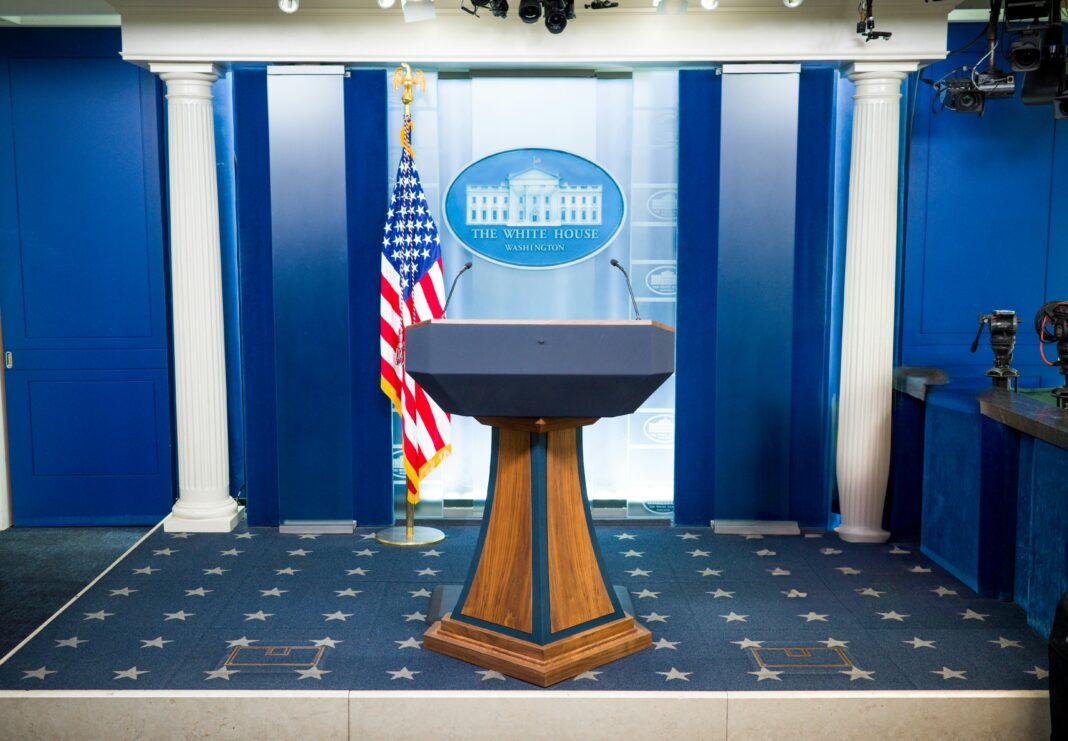
Donald Trump announced Friday that CNN, MS NOW and Politico were banned from the White House. By Saturday morning, reporters from those organizations were discovering that this was not another social-media threat destined to disappear into the weekend.
Their passes did not work.
CBS News witnessed MS NOW staffers being turned away. CNN, MS NOW and Politico all said their journalists were denied entry. The Washington Post reported that credentials were confiscated or deactivated. The White House Correspondents’ Association and press-freedom groups condemned the move as unconstitutional.
Then came the part that made the story even stranger: Business Insider reported that senior White House staff were themselves caught off guard by Trump’s announcement.
According to the outlet, aides learned about the ban after Trump posted it publicly, and even some people inside the administration were initially trying to understand what exactly the president had ordered. That would mean the reporters being banned and some of the people expected to implement the ban were processing the news at roughly the same time.
The confusion did not make the policy temporary.
Business Insider reported that Trump views the restrictions as “real and permanent,” and the president has publicly suggested more news organizations could be targeted. The New York Times and The Washington Post have been mentioned as possible future targets in reporting about the internal discussions.
The three current targets were selected because Trump says they repeatedly publish false or unfair coverage. He announced the move on Truth Social, accusing the organizations of reporting fiction and lies about him and his administration. He later described it as a simple ban.
The outlets reject that justification and say excluding journalists because the president dislikes their coverage violates the First Amendment.
This is not Trump’s first fight over press access. His administrations have repeatedly battled individual reporters and news organizations over credentials, access to events, pool participation and Pentagon rules. Courts have sometimes intervened when administrations attempted to revoke credentials without sufficient process.
What makes this episode different is the scale and bluntness. This was not one correspondent being suspended after an argument at a press conference. Trump announced that three entire national news organizations were barred from the White House because he considers their reporting fake.
And then the gates actually closed.
That distinction matters because presidents criticize the press constantly. Complaining about coverage is political speech. Controlling access to government facilities is government action. Once security passes are disabled, the argument changes from rhetoric to policy.
The White House does have authority to manage security and access. No news organization has an unlimited right to wander through restricted federal property. But the constitutional issue raised by the outlets and press groups is whether the government can deny access based specifically on viewpoint — in this case, because the president dislikes what particular organizations report.
That question is likely headed toward a legal fight if the ban continues.
The administration will have arguments of its own. White House access has always involved credentialing, security screening and discretionary decisions about who can attend limited-capacity events. The president’s team may argue that no outlet is entitled to a particular seat, room or level of access.
The counterargument is that this is not ordinary capacity management. Trump publicly stated that the organizations were being excluded because of their journalism and warned that additional disfavored outlets could follow.
That is why the wording of Trump’s own announcement could become important in court.
Meanwhile, the practical reporting problem begins immediately. White House journalism depends heavily on physical proximity. Reporters chase officials in hallways, attend briefings, observe arrivals and departures, join pools and ask questions during events that are not always announced far in advance. An outlet can still cover the presidency from outside the gates, but it loses a major source of firsthand access.
That is also why the policy potentially affects readers who have never watched CNN, visited Politico or heard of MS NOW. White House access is not a prize awarded to journalists for good behavior. It is one of the ways information about the presidency reaches the public through competing organizations.
The ban also creates a logistical question for the rest of the press corps. Pool systems often depend on journalists sharing reporting with outlets that cannot fit into small spaces. If entire organizations are excluded, do they still receive pool reports? Can their reporters participate in travel? Are they excluded from press calls? Does the ban apply only to the physical White House grounds or to broader presidential access?
Those details were not all clear when the policy took effect, which circles back to the Business Insider reporting that some administration officials themselves were surprised.
A government can certainly implement a controversial policy deliberately. It is more unusual when a sweeping press-access policy appears publicly before everyone tasked with explaining it has been briefed.
Trump, though, has made clear that he does not view the uncertainty as a reason to retreat. The three organizations are out, the president says the ban is real, and he has threatened to expand the list.
The next fight is no longer over whether Trump would really ban major outlets. He did.
The next fight is whether a president can make access to the White House depend on whether he approves of the coverage coming back out.