




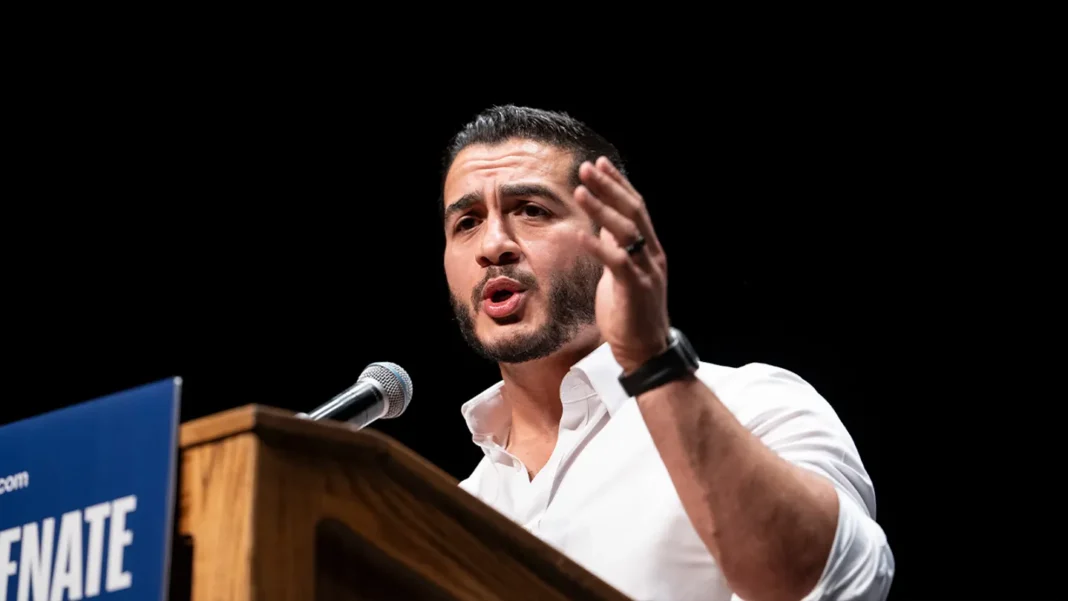
Michigan Democratic Senate nominee Abdul El-Sayed is facing renewed scrutiny this week over his tenure as Detroit’s health director from 2015 to 2017, during which the city’s animal control operation was described by a former employee as a “dog slaughterhouse,” per Fox News’s confirmed reporting published this morning. The scrutiny arrives as El-Sayed has clinched the Democratic Senate nomination and is facing his first significant general election opposition research cycle. The Republicans who will be running against him in November have had his record as Detroit health director available since his gubernatorial campaign in 2018. They chose this week to begin circulating it, which is the timing of opposition research that is designed to define a candidate before they define themselves with the general election audience.
The Detroit Animal Care and Control situation during El-Sayed’s health director tenure involved what critics described as dire conditions, inhumane euthanasia practices, and a live-release rate so low that the shelter was killing far more animals than it was adopting out or transferring to rescue organizations. A former employee used the “dog slaughterhouse” description in public statements about the facility’s conditions. The live-release rate when El-Sayed inherited the operation was approximately 20 to 26 percent, meaning roughly three-quarters to four-fifths of animals that entered the shelter were being euthanized rather than adopted or transferred. By the time El-Sayed left the health director position in late 2016, the rate had climbed to approximately 61 to 62 percent, meaning roughly two-fifths of animals were being euthanized rather than placed.
El-Sayed’s campaign points to this trajectory as evidence of a turnaround. A live-release rate that doubles over a roughly one-year period is a significant operational improvement. The national no-kill threshold, which animal welfare advocates define as a live-release rate of 90 percent or higher, was not reached during El-Sayed’s tenure, but the direction of change was toward it rather than away from it. The thousands of animals euthanized during the period when the rate was still below 62 percent are the data point that critics are citing. El-Sayed’s defenders are citing the trajectory of improvement. Both are describing the same numbers from different vantage points.
The political deployment of this record is worth examining separately from the substantive questions about animal welfare policy. El-Sayed ran for Michigan governor in 2018 and lost the Democratic primary to Gretchen Whitmer, who is now the outgoing governor. His Detroit animal control record was available during the 2018 campaign and was raised then. The political damage from it was insufficient to prevent him from running a competitive primary campaign in 2018, and it is being recirculated in 2026 because the general election electorate is substantially different from the Democratic primary electorate that just nominated him. The voters who did not participate in the Democratic primary, the independents and soft Republicans whose votes will determine whether El-Sayed wins in November in a state Trump won in 2024, are the audience for this week’s animal control coverage.
Fox News published its coverage of the El-Sayed animal control record on the same day it published coverage of a Fox News poll finding that 54 percent of Americans say El-Sayed is “too extreme” for Michigan. The poll finding and the animal control story are separate pieces of content from the same news organization appearing on the same day about the same candidate. The combination represents the standard general election media environment for a candidate who has won a progressive primary and is now facing a general election electorate that polls show views him as too extreme.
Mike Rogers, the Republican Senate nominee who called El-Sayed “the most radical, extreme candidate I have ever seen nominated by a major party for United States Senate,” has not yet formally deployed the Detroit animal control record in advertising. It is the kind of record that is more effective in the hands of third-party advertisers and social media circulators than in formal campaign advertising, because formal campaign ads can be labeled as opposition attacks while organic social media content about a dog slaughterhouse produces its own outrage independent of campaign infrastructure.
El-Sayed is a physician and public health official whose primary platform involves Medicare for All and economic justice. He ran the Detroit health department in his mid-twenties. The animal control record and the economic justice platform belong to the same candidate, which is the condition that general election opponents spend the fall months trying to get voters to understand simultaneously.
He won the primary. The dog slaughterhouse coverage is running. November is three months away.
When the Democratic Senate nominee’s animal shelter record goes viral as his general election campaign begins in a state Trump won, what exactly is the opposition doing with the information?
Sources
Fox News: Democratic Senate nominee’s Detroit record resurfaces after dog slaughterhouse claims