



Shane Gillis walked into Saturday Night Live thinking he was delivering a perfectly manageable comedy monologue. By his own account, he even assured people at the show that the material would not cause controversy. Then he joked about women’s workout clothes, and a month later he was on Joe Rogan’s podcast explaining how his supposedly harmless routine became an argument involving celebrities, former cast members and another SNL host. The reassurance, in hindsight, was not an especially accurate forecast.
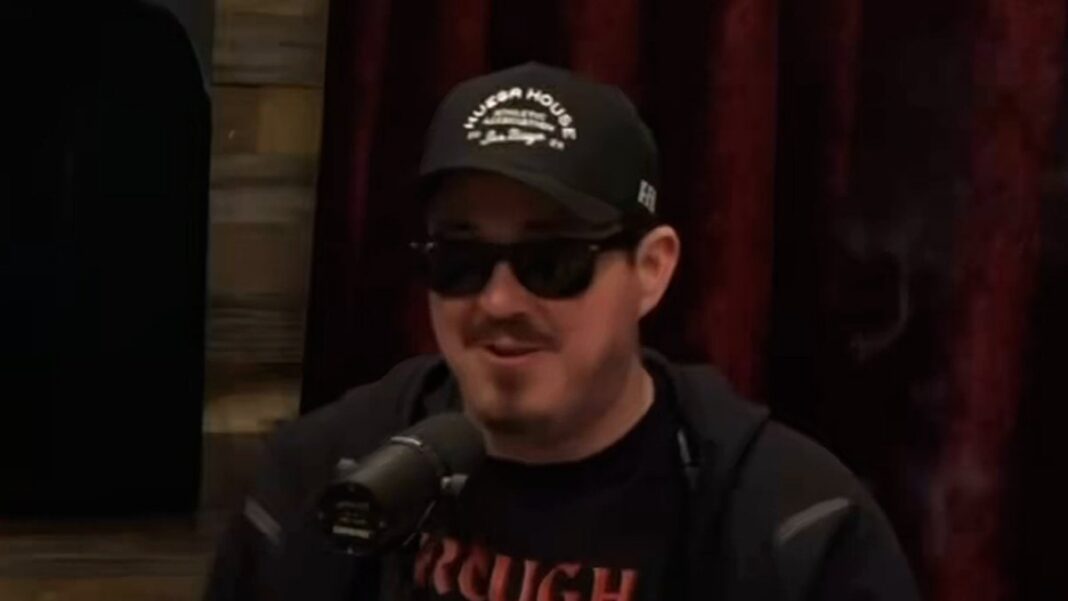
Gillis revisited the October 10 performance during the November 13 episode of The Joe Rogan Experience. His comments became fresh entertainment news over the weekend and on November 16, with Variety, Entertainment Weekly and TheWrap documenting his explanation. The key new development is not another anonymous social-media complaint. It is the comedian himself describing how he expected the night to go, what happened instead and why he thinks the response became so intense.
The original routine included Gillis describing the discomfort of going to a gym and mocking his own weight. He then turned to women’s clothing, using the word ‘whores’ to describe how some women dress for workouts and riffing about very short, brightly colored shorts. Critics heard a sexist insult. Defenders heard a comedian exaggerating for a laugh. The resulting dispute has now outlasted the monologue by several weeks, which is a fairly impressive shelf life for a joke about gym shorts.
The promise that aged badly
On Rogan’s show, Gillis recalled being asked about his planned monologue and assuring people that it was not especially strong but would be safe. He characterized it as a ‘solid C minus’ and said he had expected to spend much of the time making fun of himself. The striking part of his account is the confidence with which he apparently separated a mediocre performance from a controversial one. Those are, unfortunately for a live television host, two entirely different hazards.
Gillis said he was surprised by the backlash and suggested the cultural climate contributed to it. He also clarified that he does not personally object to what women wear at the gym. That distinction matters to his defense: he is describing an exaggerated stage bit rather than announcing a serious dress-code policy. It does not erase the words viewers heard, and it does not require critics to find the joke funny. Comedy is allowed to be provocative, and audiences are allowed to tell a comedian when the provocation falls flat.
His remarks also answered a question that followed the October broadcast: did Saturday Night Live approve the joke? Gillis said the show’s staff did not sign off on his monologue in advance. In his telling, stand-up comedians generally bring their own material, although the production could intervene. That is his account of the process, not a separate statement from NBC. Still, it complicates the theory that the network carefully scripted every word of a joke that immediately produced headaches.
A punchline that divided the room
The October 10 monologue opened with self-deprecating material about exercise, body image and the intimidating experience of visiting a New York gym. The controversial section arrived when Gillis shifted the joke toward women and their workout outfits. The language, not merely the subject of exercise fashion, was central to the reaction. Some viewers argued that reducing women to a sexual insult was lazy material. Others maintained that exaggeration and bad taste are ordinary ingredients in stand-up comedy.
Dan Levy publicly criticized the joke, arguing that women wearing short shorts do not deserve the label Gillis used. Former SNL performers were among those who objected, while other comedians defended the bit as comedy rather than a serious accusation. Dana Carvey said he did not understand the uproar and viewed it as a joke. The dispute therefore became a familiar entertainment-industry argument: whether a comedian’s intent, the actual words or the audience’s reaction should carry the most weight.
SNL answers with another joke
The dispute did not remain confined to interviews and social media. On the November 1 Halloween episode, host Inde Navarrette made a pointed callback during her own SNL monologue, joking that she put on her little ‘whore outfit’ before going to the gym. The reference was unmistakable to viewers who remembered Gillis’s appearance. Instead of issuing a formal institutional response, the show became the venue for another performer to turn the earlier joke back on its author.
That moment added a twist to Gillis’s explanation that the network had not approved his original material. Whatever internal discussions occurred before October 10, a later host publicly mocked the premise from the same stage. It is a very Saturday Night Live way to handle a dispute: rather than convene a symposium on workplace clothing, put a different punchline under the lights and let the audience decide whether it lands.
The controversy also has a peculiar connection to Gillis’s history with the program. He was hired as an SNL cast member in 2019 but dismissed before appearing after past podcast remarks containing racist and homophobic language resurfaced. He subsequently returned as a host, including the October 2026 appearance. That history makes scrutiny of his material unsurprising, but it should not be used to pretend every new joke is identical to old controversies. This episode deserves to be judged on what he actually said and how people actually responded.
Gillis logs off while the argument continues
Gillis told Rogan that he deleted social-media apps as the backlash unfolded. TheWrap reported that he also discussed whether to remove comedians who criticized him from his touring plans. Those details offer a more human picture than the familiar image of a performer shrugging off criticism without a second thought. Even a comedian known for provocative material can decide that reading thousands of reactions is an exhausting way to spend a week.
His explanation was not a full apology, and it was not an insistence that the joke represented his sincere opinion about women. Instead, he presented it as an attempt at comedy that he thought would be relatively harmless, acknowledged the reaction and maintained that he does not have a problem with women’s gym clothing. Viewers who wanted a clear expression of regret may find that insufficient. Fans who believe comedy should withstand rough language may see no reason for one. Neither position needs to be invented or exaggerated for the story to work.
The newest round of coverage is also a reminder of how the modern comedy cycle operates. A live joke airs in October. People argue about it online. Celebrities and fellow performers respond. A later SNL host makes a callback. The original comedian then discusses the fallout on a hugely popular podcast in November, generating another wave of headlines. By the end, the joke is almost secondary to the debate over whether anyone should have been upset in the first place.
There is an irony Gillis may appreciate: he told the show to expect a C-minus monologue and no controversy, then ended up with weeks of conversation about one line. He did not need to deliver a universally acclaimed performance to dominate the entertainment news cycle. Whether that counts as comic success is a question for audiences, not a scoreboard. But anyone planning to promise a controversy-free live television appearance might want to avoid making that promise immediately before discussing strangers’ gym shorts.