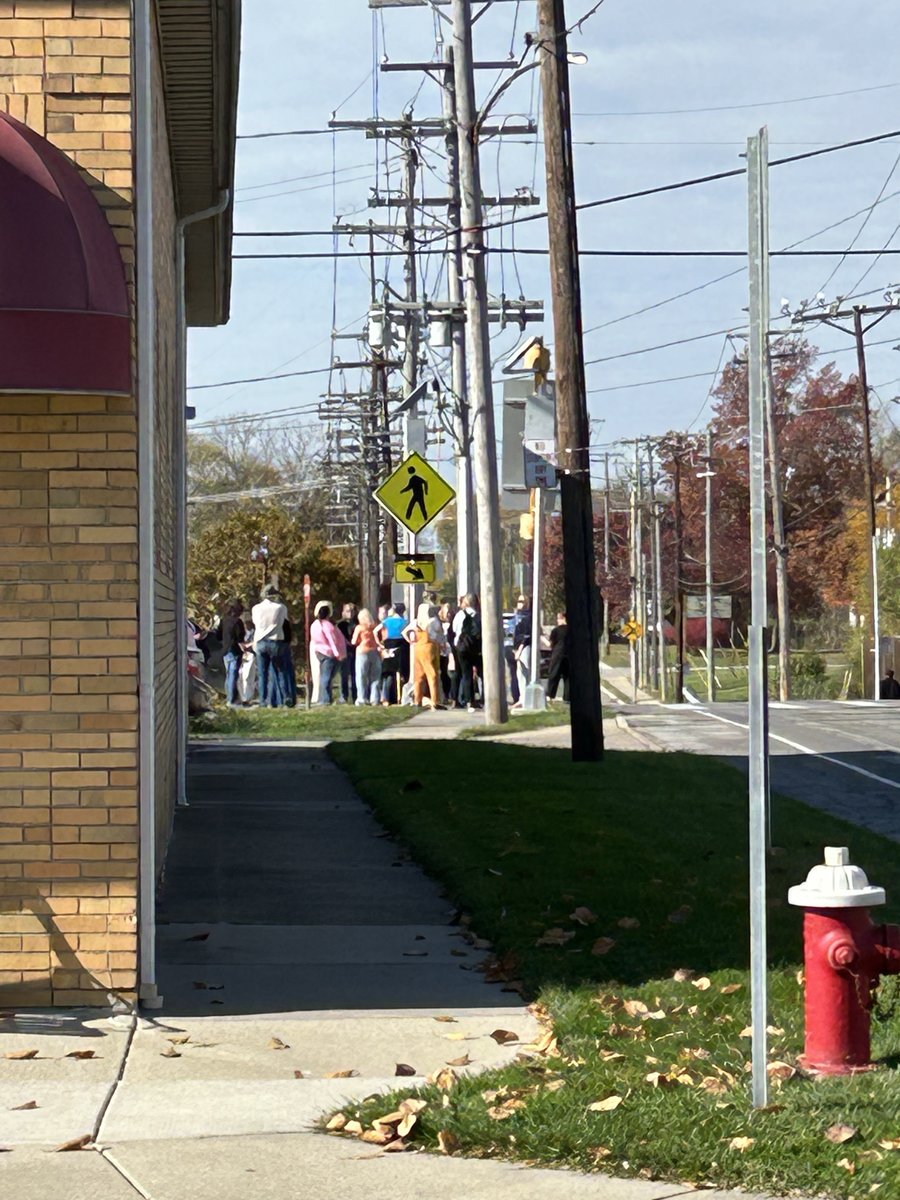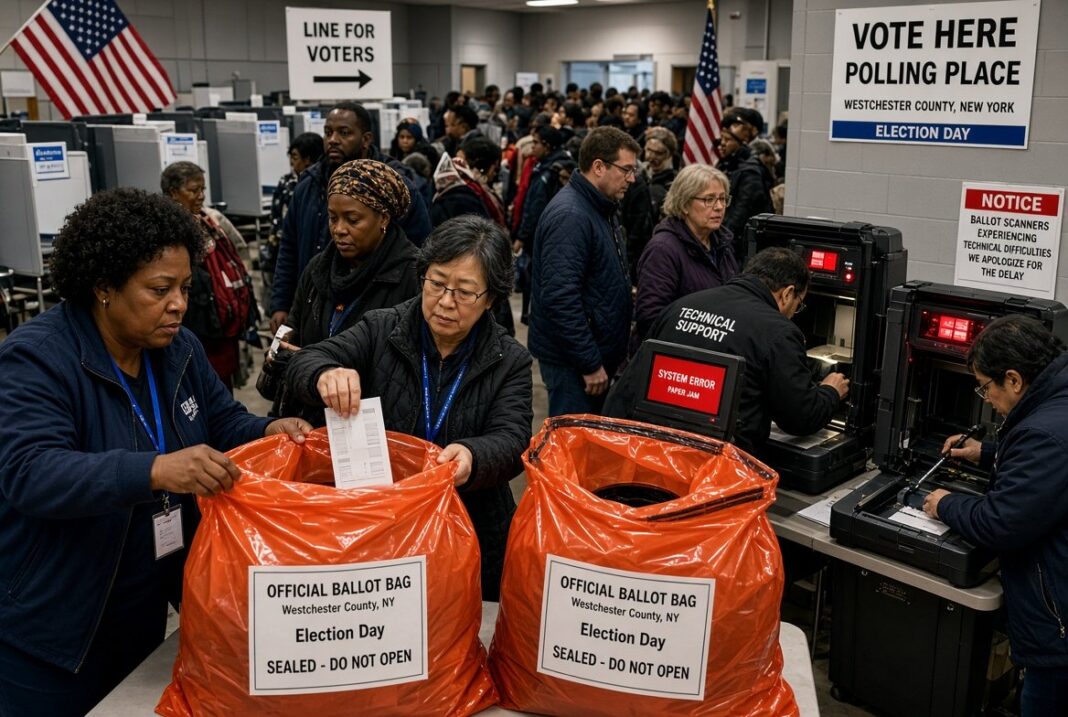





Wallingford, Connecticut, ran out of ballots and printed contingency replacements that were supposed to be hand-counted. A moderator fed them into tabulators instead, so the state ordered a discrepancy recount to double-check the totals.
Wallingford, Connecticut, managed to turn high voter turnout into a two-step election-administration headache. First, the town ran out of regular ballots; then a moderator mistakenly scanned the emergency replacements after the state had specifically instructed officials to keep them separate and count them by hand.
The original problem was straightforward enough: more voters showed up than local officials had prepared for. Under Connecticut’s contingency procedures, the town printed replacement ballots so voting could continue rather than telling people to come back after someone found a fresh box in a closet.
Those contingency ballots were not supposed to go through the tabulators. Secretary of the State Stephanie Thomas’s office told Wallingford officials to segregate them and count them manually because of how the emergency ballots had been produced.
Instead, a polling-place moderator misunderstood the instruction and fed the ballots into the machines. The town learned about the mistake when the moderator called to report that the ballots had already been scanned, which is an impressively efficient way to turn one contingency plan into a second contingency plan.
The state responded by directing Wallingford to conduct a discrepancy recount. Connecticut law allows moderators to order that kind of recount to investigate inconsistencies and confirm totals after an election.
Local Registrar Joan Parisi told CT Insider that the tabulator appeared to have counted the ballots correctly. The hand recount is therefore being treated as a verification step, not as evidence that the machines produced an incorrect outcome.
Thomas summarized the philosophy behind the response with a line election officials everywhere would probably like printed on a billboard: “We don’t guess. We check.” In other words, the fact that a mistake occurred is exactly why the paper ballots still exist to be examined again.
The shortage was reportedly Wallingford’s first and was partly tied to higher-than-expected turnout and ballot-coding rules that prevented some unused ballots from simply being repurposed. Several Connecticut towns underestimated demand, but contingency printing allowed people to keep voting.
This is the kind of election story that can sound sinister if every sentence ends before the explanation arrives. The town ran out of ballots and an official made a procedural mistake, but the ballots themselves still exist, officials say the scanners appear to have counted them, and the state ordered a recount to verify it.
So yes, Wallingford had a bad day at the office. But the response was not “trust us”; it was “count them again by hand,” which is about as low-tech and transparent as election quality control gets.