



A new disclosure shows Trump’s accounts bought $1 million to $5 million in SpaceX bonds two days before he signed a policy aimed at expanding commercial space transportation. The White House says he does not personally direct the portfolio.
Trump’s financial disclosures have produced another one of those Washington timing stories that immediately makes everyone sit up straighter. On August 18, investment accounts tied to President Donald Trump bought between $1 million and $5 million in SpaceX bonds. Two days later, Trump signed a national space-transportation policy designed to dramatically expand commercial launches.
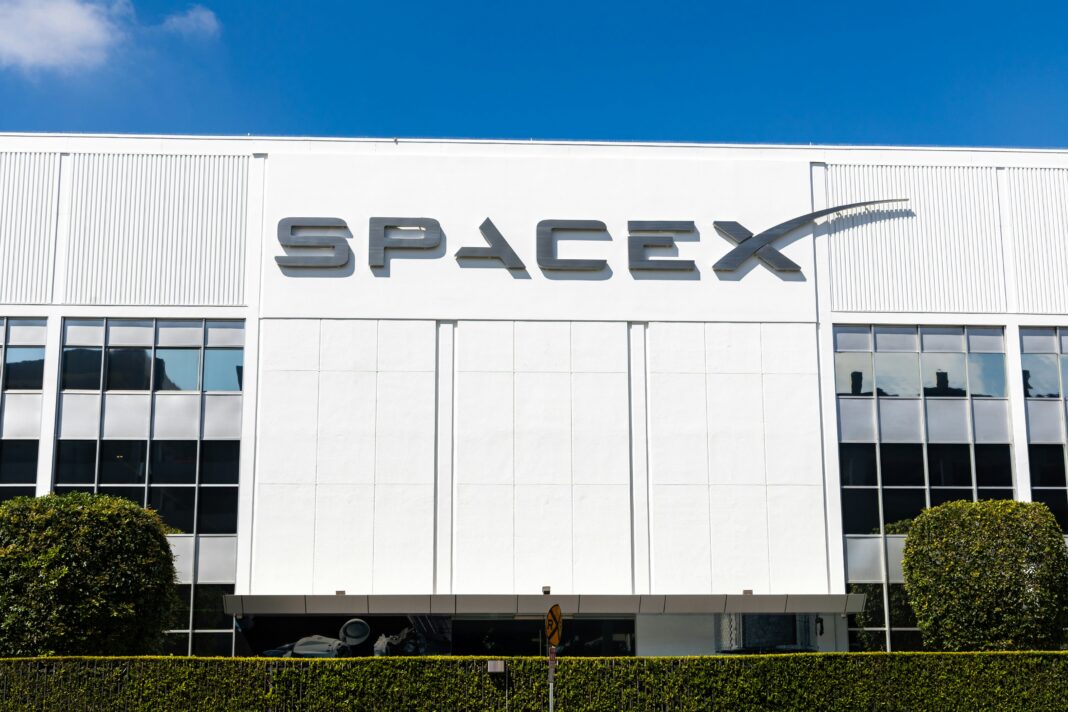
That does not prove Trump personally ordered the purchase or bought the bonds because he knew the policy was coming. The White House says he does not direct individual trades and that the investments are handled independently through algorithmic, index-based strategies. But the timing is still notable because SpaceX is the dominant private launch company in the United States and a major federal contractor.
The disclosure, first reported by The Washington Post, lists hundreds of transactions made during Trump’s second term. Most were ordinary market investments. The SpaceX bond purchase stood out because of its size, because SpaceX is privately held and because the company operates in exactly the market the new policy is supposed to expand.
The administration’s space policy calls for a major increase in launch capacity, faster permitting and more commercial infrastructure. SpaceX is not the only company that could benefit, but it is already the biggest player in orbital launch and has billions of dollars in federal contracts. If America starts launching a lot more rockets, SpaceX is not exactly going to be watching from the parking lot.
The conflict-of-interest question is complicated by the fact that presidents are exempt from some federal conflict laws that apply to other executive-branch officials. Most modern presidents have still used blind trusts or similar arrangements to reduce the appearance that policy decisions and personal holdings are overlapping. Trump has not fully separated himself from his broader financial interests in that way.
Elon Musk adds another layer. Musk and Trump have had an unusually public relationship, moving between political alliance, tension and reconciliation. The White House recently highlighted Musk’s scientific achievements, and SpaceX remains deeply intertwined with the federal government through NASA, military and national-security work.
Again, none of that establishes that Trump personally told anyone to buy the bonds. The White House says the investments are managed without his input. That distinction matters because a suspicious-looking timeline is not the same thing as evidence of insider trading or an illegal conflict.
But politically, this is exactly the kind of disclosure that invites scrutiny. A president’s accounts take a multimillion-dollar position in a company on Monday, and on Wednesday the president signs policy that could expand that company’s market. Even if the explanation is perfectly innocent, the optics arrived preassembled.
It also raises a larger transparency question. If the president’s holdings can include companies directly affected by administration policy, how much information should the public receive about how those assets are managed and whether officials screen for potential conflicts before major policy announcements?
The White House position is that there is no problem because Trump is not directing the trades. Critics will argue that the absence of a blind trust leaves too much room for suspicion. Both sides are likely to keep making those arguments because the financial disclosure itself cannot answer the most important question: who, exactly, decided to buy the SpaceX bonds and why?
For now, the established facts are unusually tidy. The purchase happened. The policy followed two days later. SpaceX stands to compete in the market the policy is designed to expand. And Washington has once again discovered that a financial disclosure can generate more rocket fuel than the rocket company.