



Charles personally paid £1.5 million from private income to settle Andrew Mountbatten-Windsor’s Royal Lodge bill after his departure from the Windsor estate.
King Charles has already stripped Andrew Mountbatten-Windsor of much of his royal role. Now he has also apparently picked up a multimillion-dollar bill on the way out.
The Associated Press reports Charles paid £1.5 million, roughly $2 million, from his private income to settle what Andrew owed the Crown Estate after leaving Royal Lodge. The payment covered charges tied to the condition of the property and the early end of Andrew’s lease.
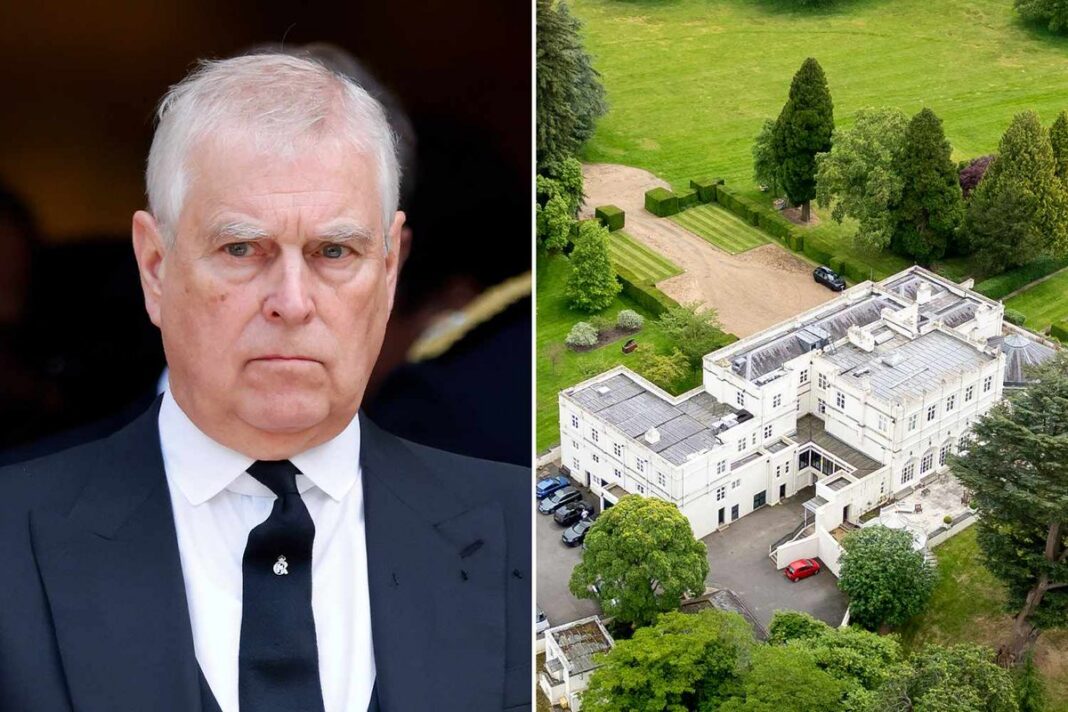
Royal Lodge is not a modest bungalow with a questionable security deposit. It is a sprawling Crown Estate property near Windsor Castle that Andrew occupied for years under a long lease. According to AP, the Crown Estate assessed approximately £1.8 million in charges related to the property’s condition, then applied a credit of about £302,000 because Andrew ended the lease early.
That left a bill of roughly £1.5 million. Charles paid it personally rather than leaving the Crown Estate to chase his brother for the money, which is about as close as the monarchy gets to a sibling Venmo request.
Andrew has since moved to the King’s privately owned Sandringham Estate. The relocation came after years of pressure over his relationship with Jeffrey Epstein and amid a separate police investigation into allegations that he shared sensitive government information with Epstein while serving as a trade envoy.
Andrew denies wrongdoing and has not been charged in that investigation. A High Court judge recently ruled that police search warrants used in the investigation were unlawful, adding another legal twist to a saga that somehow keeps finding new administrative categories of scandal.
The Royal Lodge payment is not itself evidence of criminal wrongdoing. It is a property and family-finance story. But it is politically and symbolically significant because Charles has spent years trying to create distance between the monarchy and Andrew’s controversies while still managing the practical consequences of having Andrew in the family.
The Crown Estate has said it wants to put Royal Lodge to more productive use. Andrew had invested millions in renovations after taking the lease in 2003, but the estate still concluded substantial work was needed when he left.
That means the public gets a very British combination of scandal: an ex-prince under investigation, a historic mansion in poor condition, a king paying the exit bill and a property manager trying to figure out what to do with the place next.
The palace will likely emphasize that Charles used private funds rather than taxpayer money. That distinction matters. It does not erase the optics of the King personally paying millions to resolve a housing problem created by the brother he has spent years pushing out of public royal life.
There is also the family dimension. Andrew has lost titles, official duties and access to Royal Lodge, but he has not been cast out entirely. He now lives on Charles’s Sandringham property, meaning the monarchy’s solution to the Andrew problem remains less “gone” and more “relocated.”
The question is whether the $2 million payment finally closes the Royal Lodge chapter — or whether the next Andrew headline will once again require the King to solve a problem nobody else in Britain can invoice.