



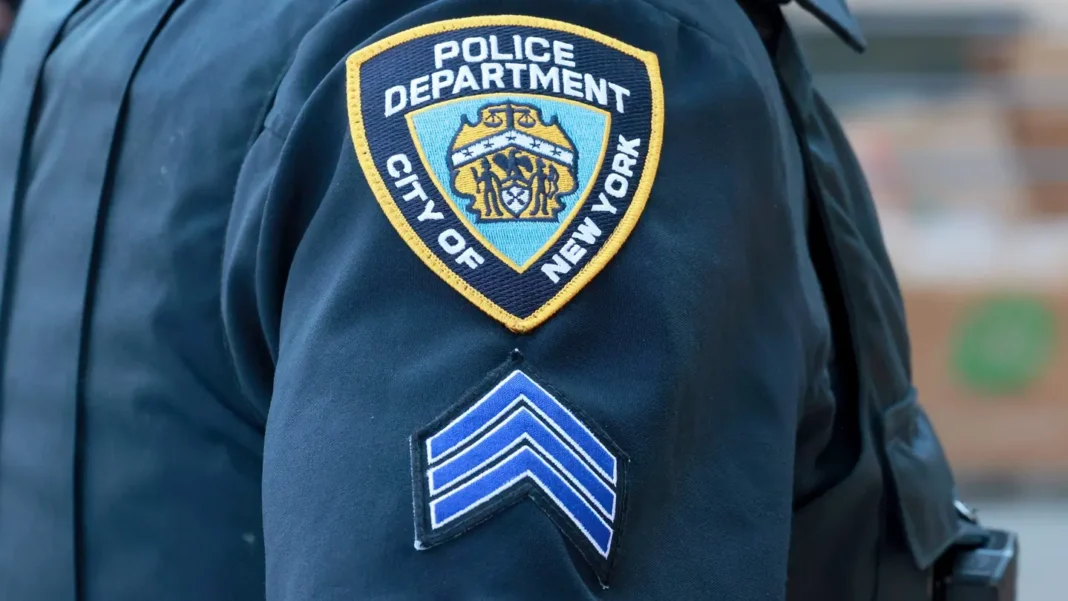
A New York City police officer has been convicted of a chokehold death, the first criminal conviction under New York City’s ban on the restraint technique that was enacted following the death of George Floyd in Minneapolis in May 2020, per Fox News’s confirmed reporting published today. The conviction is the legal result that police reform advocates have been arguing the Floyd-era policy changes were supposed to produce, and that police unions and critics of the reforms have been arguing the same changes would fail to produce because the legal standards for prosecuting police use-of-force cases were insufficient to overcome the institutional deference afforded to officers’ judgment in confrontational situations. Both sides were right about different things.
New York City enacted its chokehold ban in June 2020, following the Floyd protests. The ban prohibits police officers from using any restraint technique that compresses the diaphragm, restricts breathing, or restricts blood flow to the brain. The NYPD had informally banned chokeholds in 1993 following the death of Federico Camacho. The 1993 ban did not prevent Eric Garner’s death at the hands of Officer Daniel Pantaleo in 2014, whose chokehold death produced the “I can’t breathe” protests that preceded Floyd. The 2020 ban was enacted as a criminal statute, meaning that violation of the ban in a way that results in death could be prosecuted as a crime rather than merely addressed through departmental discipline. The conviction announced today is the test of whether the 2020 statutory ban would actually produce criminal accountability, which the 1993 departmental ban demonstrably did not.
The case involves a specific officer, a specific use of force, and a specific death. The details of the case are the specific set of facts that a jury weighed and found sufficient to support a criminal conviction. The officer used a restraint technique that the jury found violated the 2020 ban. The restraint resulted in a death. The jury convicted. The legal process that the policy change was designed to enable produced the outcome the policy was designed to enable.
The police union’s response to the conviction is the response that police unions provide to officer convictions, which is that the verdict will deter officers from making necessary split-second decisions in confrontational situations, that the criminalization of policing will make recruitment and retention more difficult, and that officers will be reluctant to use any physical force for fear of criminal prosecution. These arguments have been made after every significant officer conviction since the Floyd protests. They have not been resolved empirically because the effects on policing are difficult to isolate from the many other factors affecting police behavior and crime rates simultaneously.
The reform advocates’ response to the conviction is that it demonstrates the statutory ban was meaningful rather than performative, that accountability for police misconduct is achievable through the legal system when the legal framework is designed to enable it, and that the conviction will deter officers from using prohibited restraint techniques knowing that the legal consequence is criminal prosecution rather than departmental discipline. These arguments have also been made after every significant officer conviction since Floyd. They have not been resolved empirically either, for the same reasons.
New York City’s crime rates have been declining for decades with significant year-to-year variation. The NYPD’s staffing levels have been declining due to retirement and recruitment challenges that predate the Floyd protests. The relationship between officer conviction rates, officer behavior, departmental policy, and crime outcomes is not a causal chain that can be traced cleanly from one end to the other. The conviction today is a data point in that contested causal chain.
The victim of the chokehold is the person who died. The officer who applied it has been convicted. The ban that the conviction enforced has been in effect for six years. This is the first conviction under it.
When the first conviction under a chokehold ban enacted after a famous death arrives six years later involving a different officer and a different victim, what exactly has the policy produced?
Sources