



Republican candidates in heavily conservative states are calling for the war to end or demanding emergency fuel measures as record diesel prices hit farmers, truckers and rural voters.
For months, Republican candidates could argue about the Iran war in the language Washington usually prefers: strategy, deterrence, national security and congressional authority. Then diesel prices hit rural America, and the conversation abruptly became much less theoretical.
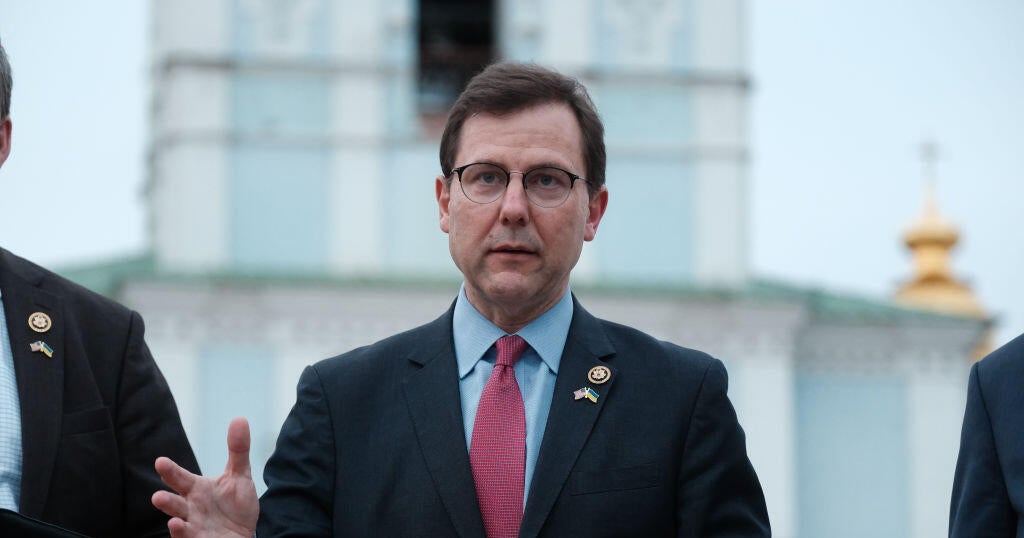
Record diesel prices are now creating visible political pressure on Republican candidates in states where Donald Trump and the GOP normally dominate. In Michigan, Republican Senate nominee Mike Rogers released an ad calling for the Iran war to end quickly and explicitly linked the conflict to higher costs for families. In Iowa, Republican Senate nominee Ashley Hinson has called for emergency measures including a temporary ban on diesel exports after previously voting against congressional resolutions to end the war.
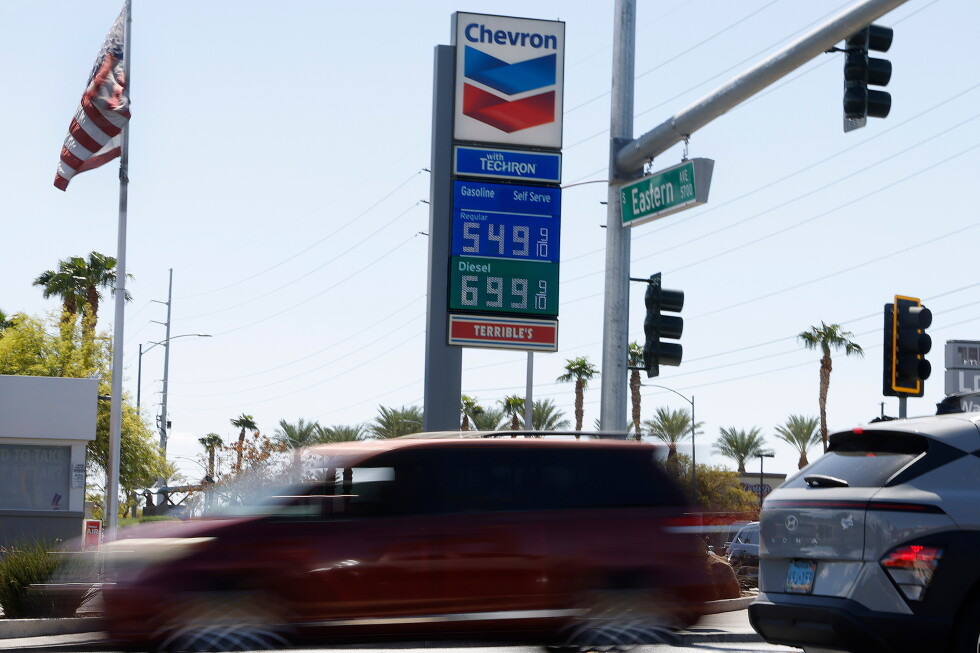
The reason diesel matters so much is that it is hidden inside almost everything. Farmers burn it in tractors and combines. Trucks use it to move food, building materials and consumer goods across the country. Construction equipment runs on it. When diesel spikes, people who never buy a gallon of diesel still feel it in grocery bills, freight charges and the cost of doing business.
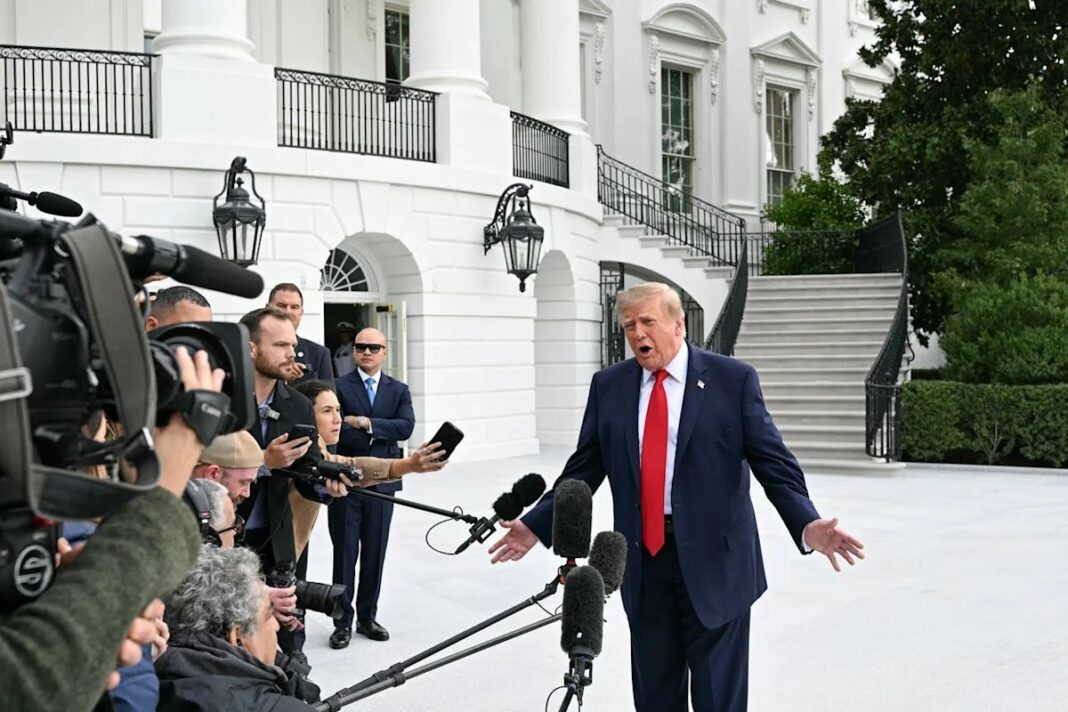
The Washington Post reports that conservative farming communities are among the places feeling the shock most intensely. That is politically awkward for Trump because many of those counties are core MAGA territory. The administration has argued the Iran conflict is necessary to stop Tehran’s nuclear ambitions, and Trump recently described higher fuel prices as a relatively small price to pay for the military campaign.
Republican candidates closer to voters are starting to sound less comfortable with that tradeoff. Rogers said Michigan families are struggling with everyday costs and that the war needs to end. Hinson wrote that Iowans should not have to “foot the bill at the pump or the checkout line” for the conflict. Sen. Chuck Grassley and other Republicans have joined calls for restrictions on diesel exports in hopes of increasing domestic supply.
There is one problem with that fix: many energy analysts say it could backfire. Gulf Coast refineries export large volumes of diesel because the U.S. pipeline and shipping system cannot simply redirect all of that fuel to every region that needs it. An export ban could create regional gluts while parts of the country that rely on imported diesel face even tighter supplies. In other words, the obvious political solution may be considerably less obvious once petroleum logistics enter the chat.
The war is not the only factor affecting fuel markets. Refinery damage, shipping risks through the Strait of Hormuz, attacks on energy infrastructure and global supply disruptions all contribute. But the Iran conflict is a major driver of the current shock, and voters are increasingly making the connection themselves.
That connection is politically important because it cuts across Trump’s strongest base. Rural and industrial voters helped build the Republican coalition. These are constituencies generally more supportive of domestic energy production and often more skeptical of environmental restrictions. They are not natural recruits for a Democratic antiwar message. But diesel prices do not ask for party registration before showing up on the receipt.
The pressure has become significant enough that Republican candidates are openly distancing themselves from the administration’s position. That does not mean “MAGA country” has uniformly turned against Trump or the war. The Post’s reporting describes meaningful fractures and voter anger, not a complete collapse in Republican support. Many conservatives still support the administration’s military goals even while demanding relief from fuel prices.
The tension is nevertheless real. Candidates who once treated the conflict as a national-security question are now explaining why their own voters are paying more for groceries. That is a brutal translation from foreign policy into domestic politics because the cost arrives every week instead of in an abstract budget projection.
Trump can argue that preventing Iran from obtaining nuclear weapons justifies short-term economic pain. Republican candidates facing voters can argue that the pain is no longer short-term or politically manageable. Both positions can exist inside the same party, but they are increasingly difficult to fit into the same campaign ad.
The ultimate lesson may be an old one: Americans can support foreign policy in principle until it shows up in household expenses. Wars are debated in speeches, but diesel is priced on giant illuminated signs next to the highway. Which one do voters notice first?
So the political question heading into the midterms is not simply whether Republicans agree with Trump on Iran. It is how much economic pain conservative voters are willing to absorb before support for the policy starts breaking apart.