



The administration plans to send more than 20 million Medicare beneficiaries $90 this month using the Medicare Improvement Fund — an unusual direct-payment use of the money.
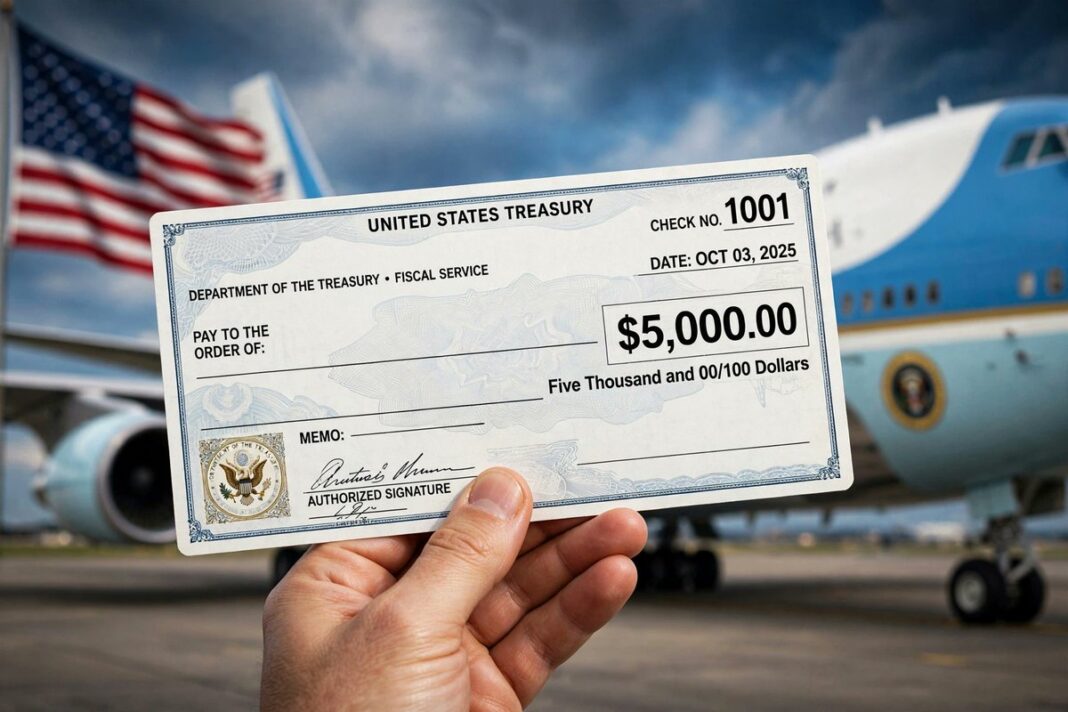
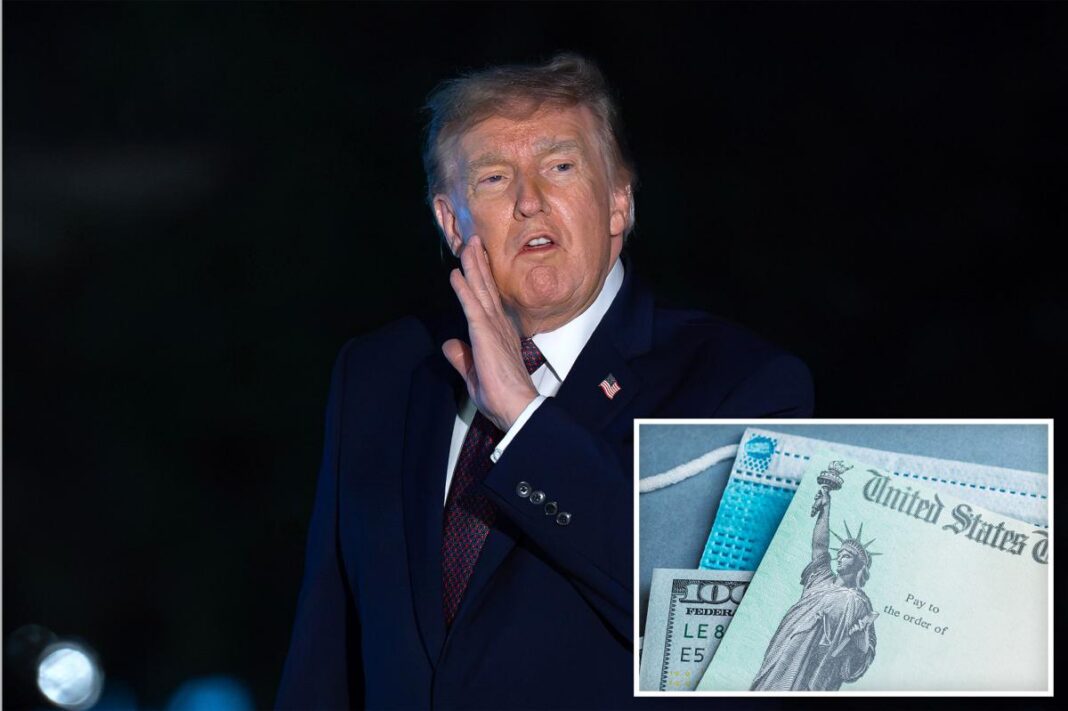
Donald Trump has spent weeks talking about sending Americans $5,000 if Republicans win Congress. That money remains hypothetical. The $90 checks going to more than 20 million Medicare recipients this month are much more real.
The administration says eligible Medicare Part B beneficiaries will receive a one-time $90 payment intended to offset premium costs. The money will come from roughly $2 billion in the Medicare Improvement Fund, which was created to support improvements to Medicare’s hospital and medical-insurance programs.
The timing is impossible to miss. The checks are scheduled to go out in October, just weeks before the November 3 midterm elections. The White House says the payments are about helping seniors with rising health-care costs, not influencing votes.
Administration officials also say they do not need new legislation because the fund already exists and gives the government enough flexibility to use the money for this purpose. The Associated Press reports the direct-payment approach appears to be unprecedented, although both parties have previously redirected money from the fund during larger health-care budget negotiations.
The announcement reportedly surprised congressional offices in both parties. That may be because the Medicare Improvement Fund has historically functioned more like a budget account than a national senior-citizen Venmo balance.
Not every Medicare beneficiary will qualify. The payments are intended for Part B enrollees who are not already receiving Medicaid assistance with premiums and are not enrolled in certain Medicare Advantage plans that already provide enhanced benefits.
Trump framed the checks as part of a larger effort to lower health-care expenses. They come alongside his proposal for $500 Affordable Care Act premium rebates and the much larger $5,000 direct-payment promise tied to Republican control of Congress.
Those programs are legally and financially different. The $90 Medicare payments are being made from an existing federal fund. The $500 ACA idea involves separate health-insurance policy. The $5,000 checks remain a campaign proposal that would require congressional approval and well over $1 trillion in spending.
Lumping them together creates an unmistakable political message, though: the president wants voters thinking about checks with his administration’s name attached to them.
Republicans argue the timing should not invalidate a policy that puts money back in seniors’ pockets. Presidents regularly announce tax benefits, grants and government programs during election years, and Medicare costs are a legitimate concern for millions of older Americans.
Critics say direct payments immediately before voting invite obvious questions, especially when the fund being used was not created as a rebate program. The fact that congressional offices were reportedly surprised by the mechanism only adds to the scrutiny.
The amount itself is modest. Ninety dollars will not transform a household budget. But multiplied across more than 20 million people, it becomes roughly $2 billion in federal spending and a very large number of envelopes arriving at a very politically convenient moment.
The White House insists the payments are about Medicare affordability. That may be true. It is also true that politicians have understood the electoral appeal of sending voters money since roughly five minutes after money was invented.
The question is whether voters see the $90 payment as ordinary health-care relief — or as an unusually well-timed reminder of who currently signs the federal checks.