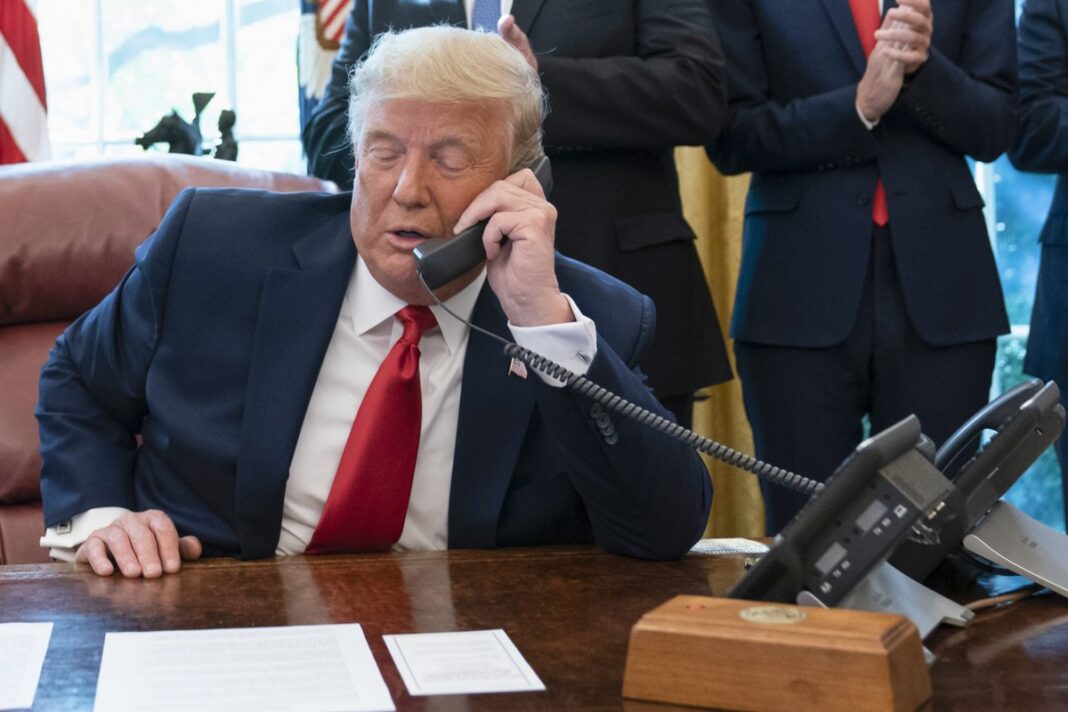




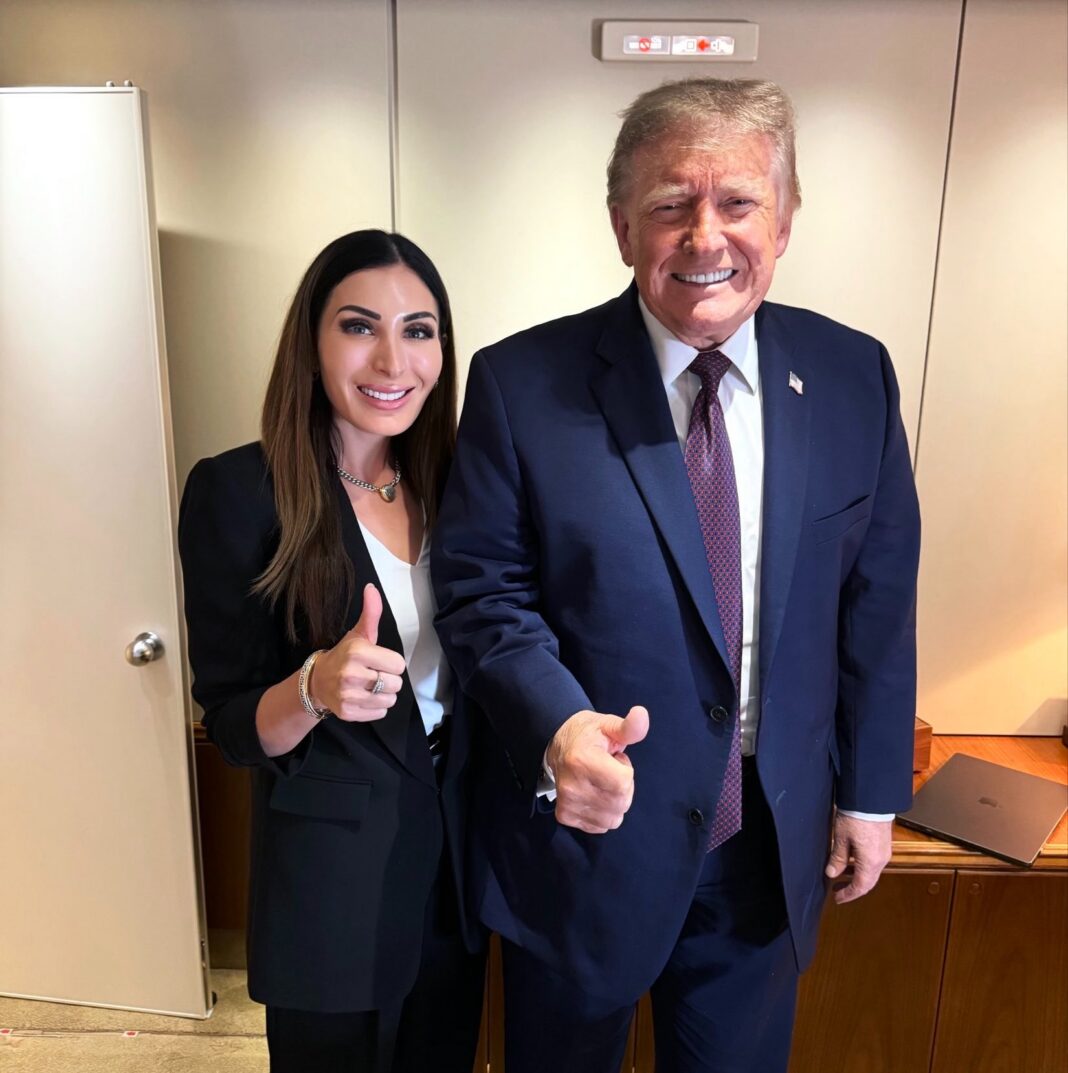
Trump praised Loomer as a “great Republican strategist” and a “killer,” then traveled with her after his Alabama rally. Marjorie Taylor Greene responded by blaming Loomer for Trump’s political problems and calling her a “LOSER.”
Laura Loomer is back in Donald Trump’s traveling orbit, which means one thing was almost guaranteed to happen: another Republican was going to get extremely angry about Laura Loomer being back in Donald Trump’s traveling orbit. This time the volunteer was Marjorie Taylor Greene.
Trump singled Loomer out during his Friday rally in Mobile, Alabama, calling her a “great Republican strategist,” a “great person” and “a killer” when she gets angry. Loomer later traveled with Trump, appearing aboard Air Force One and then joining the group that returned to the White House aboard Marine One. For someone who holds no formal administration position, that is unusually close proximity to the president.
Greene noticed. The former congresswoman responded online by calling Loomer a “LOSER” and arguing that Trump and Republicans were paying a political price for listening to her. Greene said Trump’s presidency had become a “shit show,” pointed to his poor approval ratings and predicted Republicans were heading toward a midterm disaster.
That is a lot of intra-MAGA violence for a weekend that began with a routine rally in Alabama. Trump praised Loomer. Loomer thanked Trump. Greene attacked Loomer. Loomer’s supporters attacked Greene. Somewhere, a Democratic opposition researcher presumably closed the laptop and decided everyone else had the shift covered.
The feud has history. Loomer and Greene have traded personal insults and political accusations for years despite occupying overlapping corners of the pro-Trump movement. Both have built large online followings through combative politics, but they have repeatedly clashed over loyalty, influence and who actually represents Trump’s base.
Loomer has never held a formal White House role, but her influence has been the subject of extensive reporting. She has met privately with Trump, passed along opposition research about administration personnel and publicly pressured the White House over appointments and policy decisions. Trump has sometimes adopted her complaints or acted against officials she criticized, though the White House has resisted describing her as an official adviser.
Her return to Trump’s immediate orbit is notable because she had recently criticized him. Loomer was furious after Trump met cordially with New York City Mayor Zohran Mamdani and said the Democratic mayor had the potential to be successful. Loomer publicly complained that conservatives worked to fight the radical left only to watch Trump reward people she considers ideological enemies.
Apparently the relationship survived. At the Alabama rally, Trump turned Loomer’s anger into praise, joking that being on the wrong side of her is a “very terrible situation.” He then called her great. That is not exactly a formal appointment announcement, but it is considerably warmer than being told to wait outside the helicopter.
Greene’s response was unusually direct even by the standards of two people who have spent years insulting each other online. She argued that Trump’s embrace of Loomer showed who was really influencing his presidency and blamed that influence for Republican political trouble. She also contrasted Trump’s past victories with what she described as the party’s current decline.
The factual line here matters because the temptation is to describe Loomer as literally running the White House. There is no evidence she holds that kind of institutional authority. She is an outside political activist who has access to Trump and whose recommendations have, at times, received his attention. That is still enough to make elected Republicans nervous.
It also creates one of the stranger dynamics in modern conservative politics. Trump’s movement is built heavily around personal loyalty to Trump, but the people competing to prove that loyalty routinely accuse one another of sabotaging him. The result is less a coherent political hierarchy than a group project where everyone insists the person sitting next to them is secretly failing the assignment.
Loomer’s presence aboard the presidential aircraft gives Greene fresh material because access itself is power in Trump’s orbit. Being physically near the president means opportunities to make arguments, hand over documents and shape what he is hearing. That is true in every administration; the difference here is that the people fighting over the access are doing it publicly in capital letters.
Trump, meanwhile, appears comfortable keeping multiple feuding loyalists around him. He praised Loomer without mentioning Greene’s criticism, and there is no indication he intends to referee the dispute. That may be because the feud reinforces a familiar Trump dynamic: allies compete for his approval while he remains the person everyone is trying to impress.
The spectacle is funny because it is so naked. There are no anonymous background quotes required. Trump praises Loomer. Greene calls Loomer a loser. Loomer celebrates her access. Everyone posts screenshots. This is not palace intrigue. The palace installed Wi-Fi and started livestreaming the intrigue itself.
The bigger question is whether this kind of infighting actually damages Republicans or simply keeps the most committed parts of the movement engaged. When the fight is between people who all claim to represent the same president’s political base, where does loyalty end and a competition for proximity begin?