



Some transparency initiatives are planned well in advance. The British Royal Family’s current transparency initiative, which produced two consecutive days of royal tax disclosures this week, was planned well enough in advance that it arrived the same week a YouGov poll found nearly half of British adults believe the Royal Family does not represent good value for money, and the same week it emerged that the King’s Duchy of Lancaster has been charging the NHS over eleven million pounds over fifteen years to store ambulances in a London warehouse. The timing is, the Palace would like you to know, coincidental.
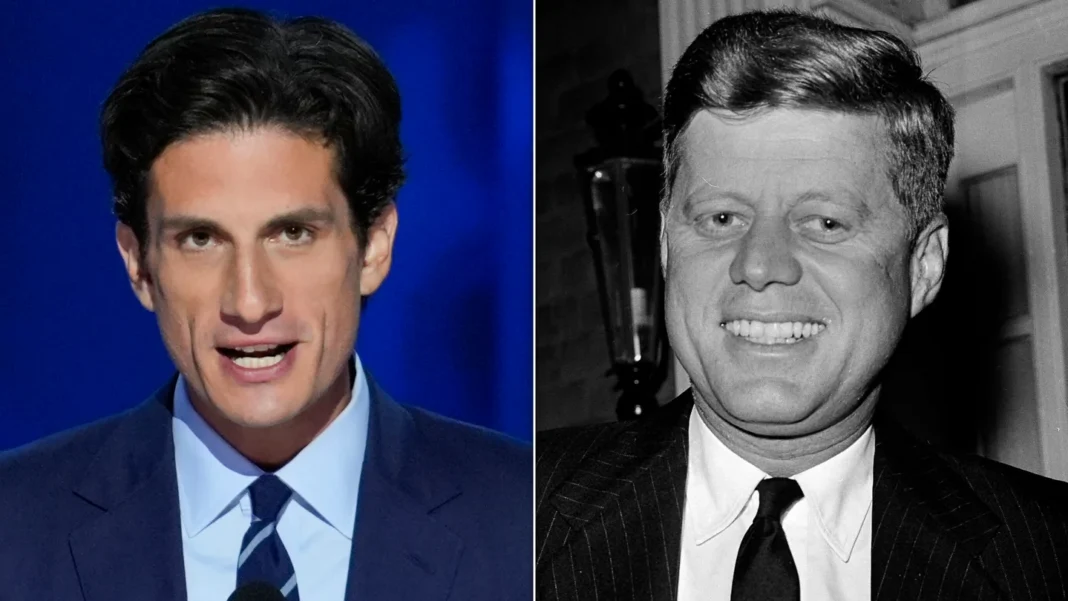
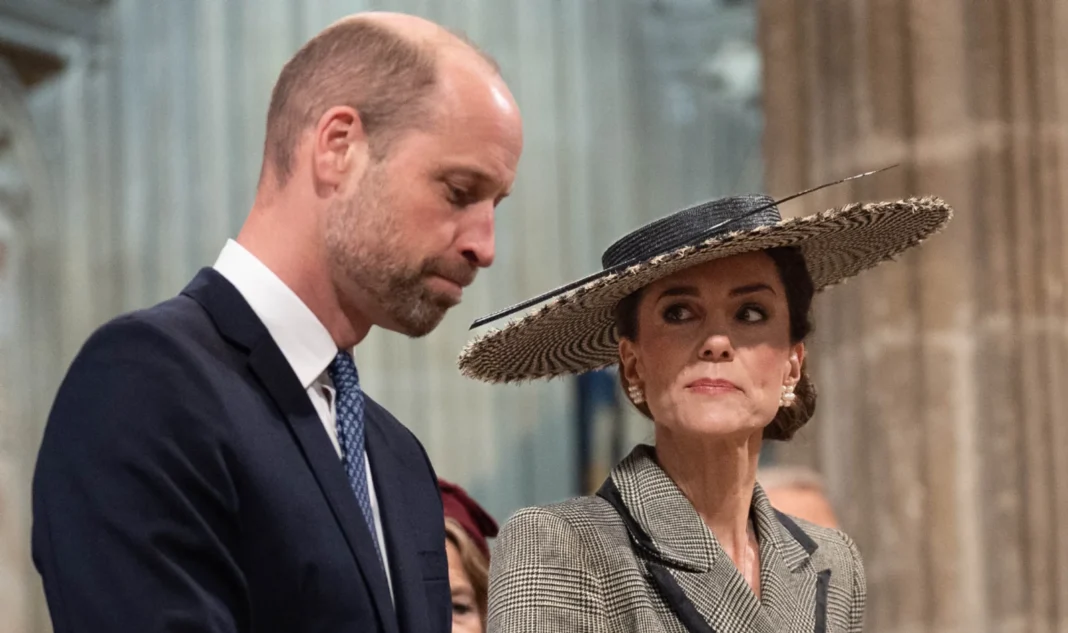
King Charles published his personal tax bill yesterday, becoming the first British monarch in history to do so, which means the previous 40 monarchs did not find this necessary, and Charles found it necessary this week, which is a fact the Palace is framing as modernization and which can also be framed as a fact that arrives with context. William published his Duchy of Cornwall tax payments today. Two days, two disclosures. William’s private secretary Ian Patrick told GB News: “Prince William knows that for many people in Princetown, the prison has long been part of the fabric of the community. Its closure has created genuine uncertainty, not just about jobs and businesses, but about the future of the town itself. The duke felt strongly that, while those questions remain unanswered, the benefit of this income should remain in the community.” William is, in other words, keeping Duchy income in communities rather than pocketing it, and announcing this in the same week his father’s Duchy was charged with invoicing the NHS for ambulance storage, which is a context that makes the announcement more strategic and less spontaneous than it might otherwise appear.
The NHS ambulance situation involves fifteen years of warehouse charges paid by a health service that is chronically underfunded, to a private estate that generates income for a monarch who is now voluntarily paying 45 percent income tax on income from a different estate. Both disclosures are real. Neither of them includes the ambulance invoice in the ledger of things being disclosed, which is a kind of selective transparency.
The YouGov poll that found 46 percent of British adults consider the royals poor value for money was published before the disclosures. The disclosures arrived after it. The Palace has not acknowledged any relationship between the two events, which is itself a form of communication.
When the royal family publishes two days of tax information after a poll about value for money and the same week as an NHS invoice, what exactly prompted the sudden openness?
Sources
GB News: Prince William joins King Charles in publishing tax payments
GB News: King Charles to publish personal tax payments for the first time