



The Wall Street Journal says Kimberly Guilfoyle asked MAGA donor Eric Deters to send $100,000 directly to American Express and suggested the payment “won’t show up anywhere.” Her lawyer disputes the authenticity of the messages and Guilfoyle denies wrongdoing.
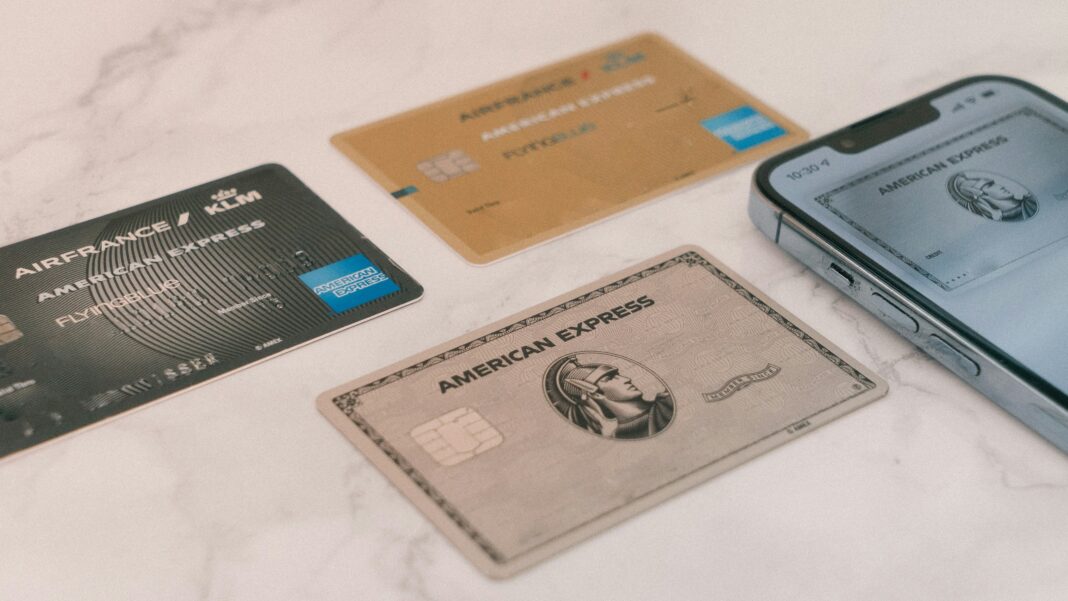
Kimberly Guilfoyle is facing a very specific allegation involving one of the least subtle financial emergencies imaginable: a six-figure American Express bill. The Wall Street Journal reports that, shortly before her 2025 confirmation hearing to become U.S. ambassador to Greece, Guilfoyle pressed Republican donor Eric Deters to send $100,000 directly to Amex.
The alleged messages are what turned an ordinary money story into a political ethics grenade. According to the Journal, Guilfoyle told Deters that if he wired the money directly to American Express, it “won’t show up anywhere,” language that immediately raises obvious questions about disclosure, intent and whether anyone involved thought a paper trail was desirable.
Deters was not just a random friend being asked for a bailout. He was a Trump-aligned donor who was also seeking Guilfoyle’s help getting access to administration officials over tax and legal disputes, which is why the exchange is drawing scrutiny well beyond the credit-card balance itself.
The Journal says Deters had previously paid Guilfoyle hundreds of thousands of dollars for speaking engagements and believed she could help him reach people inside the Trump administration. The $100,000 Amex payment was apparently never made, which is a pretty important fact when the headline begins to sound like a completed transaction.
Guilfoyle’s lawyer has questioned the authenticity of the messages, and Guilfoyle denies wrongdoing. That means the reporting should be treated as an allegation supported by messages reviewed by the Journal, not as a final legal finding that she sold access or violated any ethics rule.
Secretary of State Marco Rubio was asked about the story while traveling in Greece and declined to discuss the specific allegations. He criticized reporting based on unnamed sources and praised the embassy’s performance, but he did not announce any formal investigation.
Democratic lawmakers have already called for scrutiny, in part because Guilfoyle’s position as ambassador creates a higher bar than ordinary political fundraising or personal borrowing. Ambassadors are federal officials, and questions about money, access and outside relationships can quickly become ethics questions even when no crime is alleged.
The alleged phrasing is what gives the story its BuzzyTimes quality. Most people asking a friend for help with a credit-card bill say something like “I’m in a bind.” “Wire it directly to Amex so it won’t show up anywhere” has considerably more Senate-hearing energy.
There is also a broader Washington problem here: political donors often want access, politicians and appointees often need money and influence, and the line between friendship, networking and quid pro quo can get blurry very fast. The existence of a donor relationship does not prove corruption, but it does make every request for money more consequential.
The story is especially awkward because Guilfoyle’s public image has long been built around wealth, glamour and access to Trump-world power. An alleged private plea for help paying a giant Amex balance creates a very different image: less champagne fundraiser, more “honey please, I need this today.”
For now, the clean version is this: the Journal says Guilfoyle solicited $100,000 from a donor who wanted political help, the payment did not happen, her attorney disputes the messages and she denies wrongdoing. The next question is whether the State Department or Congress decides that is enough to warrant a formal ethics review.