



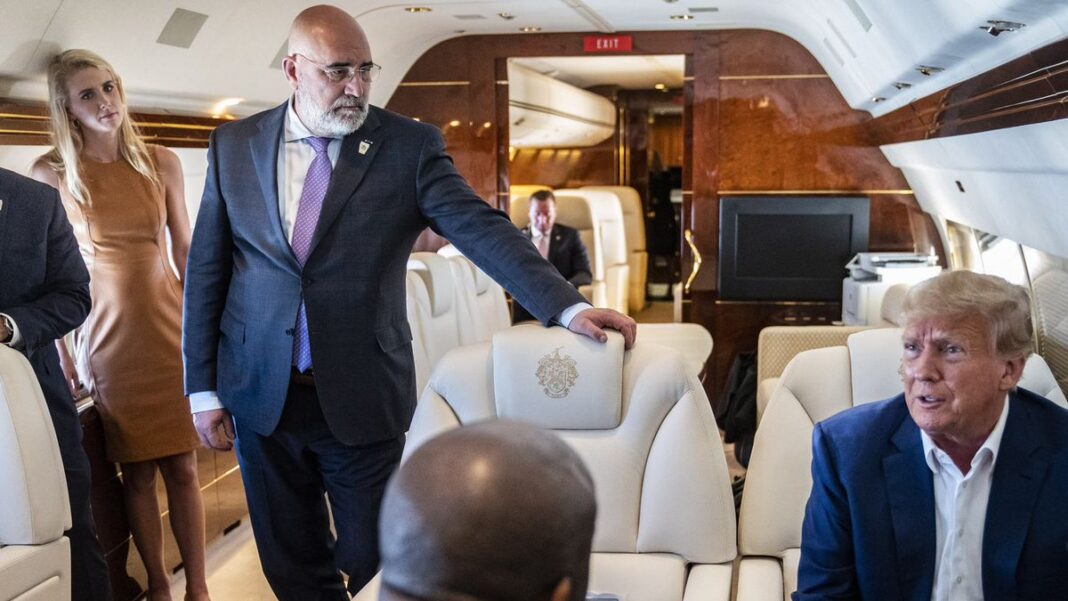
Chris LaCivita and James Blair, two major players in Trump-world midterm strategy, reportedly earned hundreds of thousands of dollars advising the government of Republika Srpska, a pro-Russian territory in Bosnia.
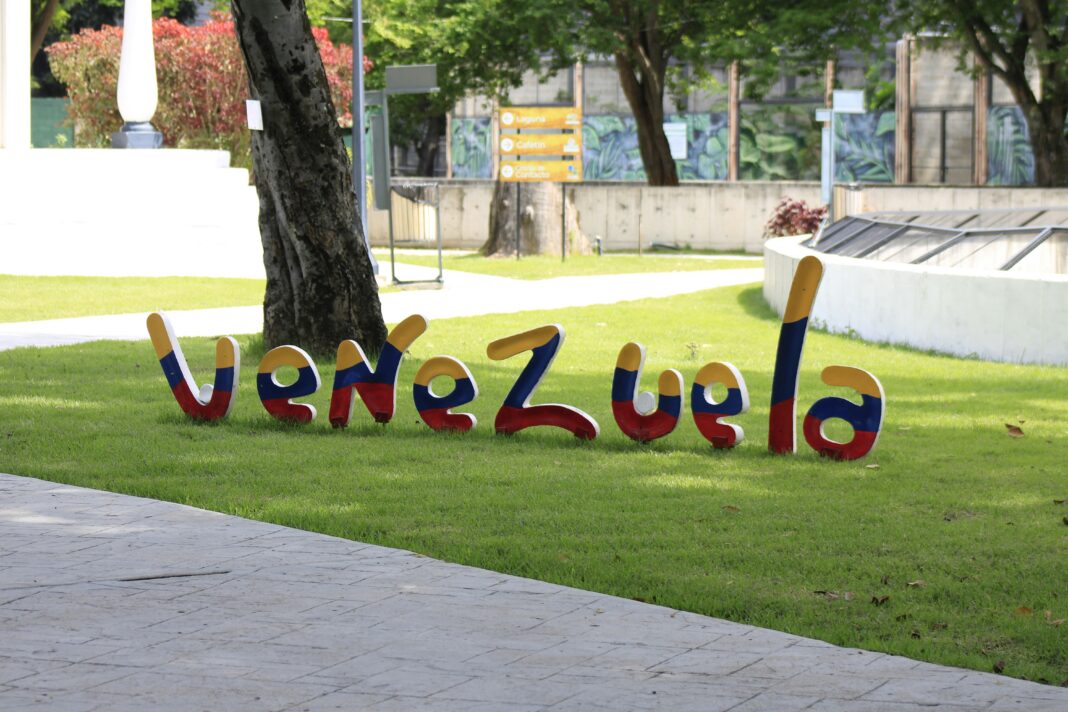
Two of the people helping steer Trump-world politics toward the midterms apparently found time for a side hustle in the Balkans. Chris LaCivita and James Blair were reportedly paid hundreds of thousands of dollars each to advise the government of Republika Srpska, a Russia-aligned territory inside Bosnia and Herzegovina.
The New York Times first reported the consulting work, and The Washington Post and CNN followed with details about Trump’s reaction. LaCivita and Blair traveled to the region to provide advice on voting issues to the territory’s government while they were also deeply involved in Republican midterm strategy back home.
Republika Srpska is governed by a nationalist political establishment closely aligned with Russia. CNN reported that the governing party had been raising concerns about new voting machines and election integrity, which made hiring two prominent Trump political operatives especially notable.
Trump initially sounded furious when he learned about the arrangement. He posted that LaCivita and Blair were outside consultants, said he did not know who else they worked for and warned that he would terminate them if he found a conflict.
A few hours later, his tone softened considerably. Trump told reporters that the pair were independent consultants, said people in Washington often have multiple clients and suggested the arrangement was acceptable as long as there was no direct conflict with his political operation.
That shift is part of what makes the story so strange. The sequence went from “I will terminate them immediately” to “everybody in Washington does this” fast enough to qualify as a political U-turn without requiring a turn signal.
Blair previously served as a White House deputy chief of staff before leaving in April, while LaCivita co-managed Trump’s 2024 campaign and remains one of the most recognizable strategists in Republican politics. Both are therefore trading on expertise and relationships built at the highest level of American politics, whether or not that creates a technical legal conflict.
The consultants have not been accused of committing a crime. The ethical issue is the appearance created when advisers helping shape U.S. political strategy accept large payments from a foreign government closely aligned with Moscow during the same election season.
Trump told reporters he would ask them for a list of their other clients. That is the kind of sentence that tends to make everyone in a consulting firm suddenly remember how many nondisclosure agreements are sitting in a drawer.
The broader tension is familiar in Washington. Political consultants are private contractors, not government employees, and they are generally allowed to work for multiple clients. But when those clients include foreign governments with geopolitical agendas, the work can create questions about divided loyalties, access and what exactly is being bought with those six-figure fees.
The case also lands at a sensitive moment because Trump and Republicans are trying to keep control of Congress. Having two senior political strategists fly overseas to advise a Russia-friendly government on voting issues is not exactly the midterm message any campaign communications director would voluntarily put on a yard sign.
For now, Trump says the advisers can keep working as long as there is no conflict, while the reporting has exposed a client relationship he says he did not previously know about. The next question is whether this ends as an embarrassing consulting story or becomes the start of a much broader look at who Trump-world’s top strategists are working for when they are not working for Trump.