




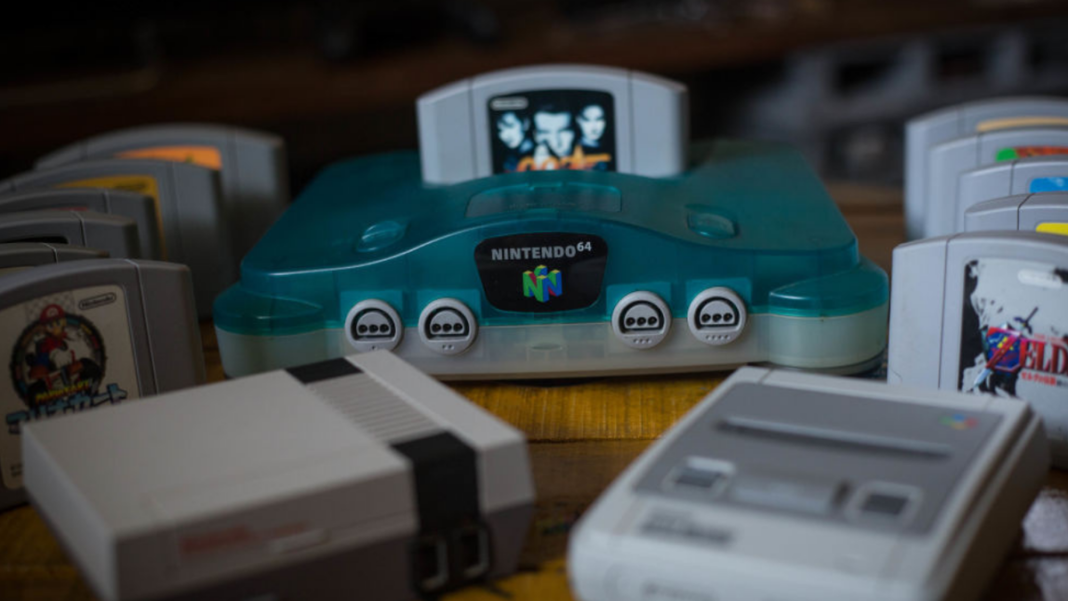
The Nintendo 64 launched in Japan on June 23, 1996, and in North America on September 29, 1996, making it 30 years old by the calendar of its Japanese release and approaching its North American anniversary, and Fox News marked the occasion on its July 29 sitemap by listing “The Nintendo 64 is turning 30 years old, here are some of its most impactful games of all time,” which is the kind of anniversary content that produces nostalgia in anyone who was between the ages of 8 and 18 in 1996 and is now between the ages of 38 and 48, which is a significant portion of the adults currently making decisions about what the next generation plays.
The N64 introduced Super Mario 64, which established the template for three-dimensional platform gaming that every subsequent 3D game has been working from. It introduced GoldenEye 007, which established the template for first-person shooter games on consoles and which produced the specific household argument about whether using the aim button was cheap, a debate that has never been resolved. It introduced The Legend of Zelda: Ocarina of Time, which IGN named the greatest game of all time for approximately 15 consecutive years until the franchise overtook itself. It introduced four-player split-screen multiplayer via four controller ports on the front of the console, which seemed extravagant in 1996 and which modern consoles have replaced with online play that produces the same arguments with strangers instead of siblings.
The cartridge-blowing thing, in which players would remove a game cartridge from the console and blow into the slot before reinserting it to fix graphical glitches, has no scientific basis. It introduced moisture that degraded the contacts over time. It worked anyway, or players believed it worked, which produced the same behavior. The N64 generation blew into cartridges confidently for a decade before the internet explained that they were making the problem worse.
The console is 30. The games are preserved. The cartridge-blowing explanation remains inadequate.
When the console that taught a generation to blow into cartridges turns 30, what exactly did that generation learn?
Sources