



Trump says security officials have urged him to replace the Oval Office with a safer version. The Secret Service has not independently confirmed his account, and Trump says he is exploring landmark protection for the room.
Donald Trump has been perfectly willing to remake large parts of the White House complex. He is building a ballroom, has backed major security changes around the grounds and rarely treats architectural tradition as an automatic veto. The Oval Office, however, appears to be where the renovation enthusiasm ends.
In a new Time interview, Trump said Secret Service officials have urged him to replace the existing Oval Office because of security concerns. According to Trump, one official suggested building a new version. His response was characteristically architectural: “My ass, you can’t build a new one.”
The Secret Service had not independently confirmed Trump’s account when The Washington Post reported the story, so the claim about the agency’s recommendation should be treated as Trump’s description of the conversation rather than an established agency announcement.
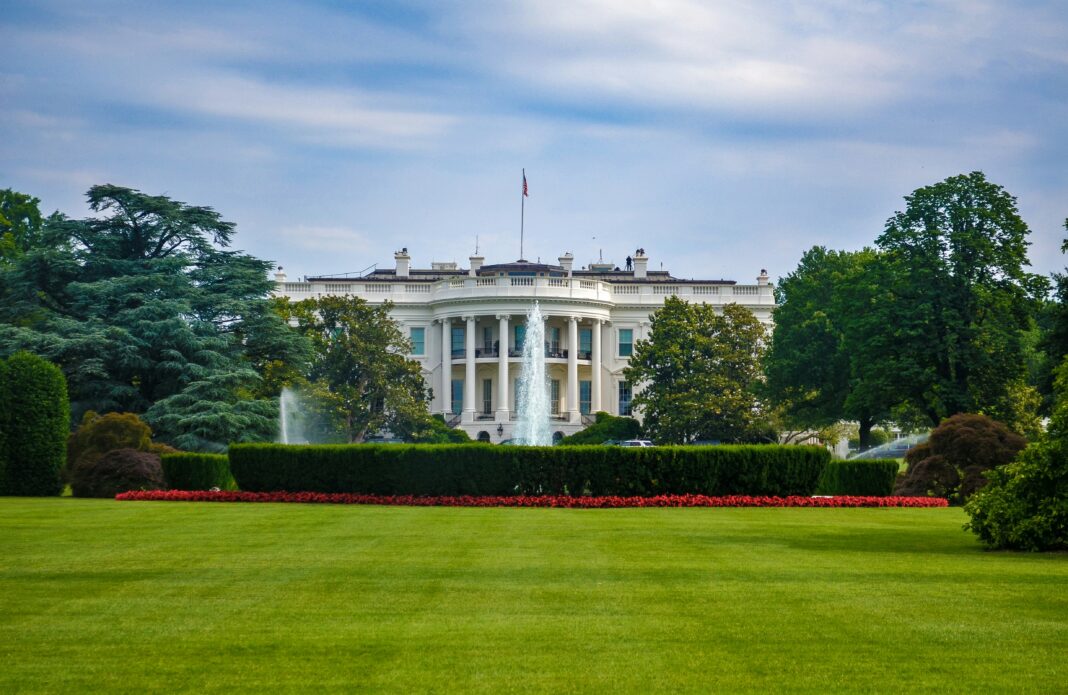
Trump said officials believe the Oval Office’s location and structure create security challenges. That concern is not entirely new. The Post notes that previous administrations have also considered ways to harden or alter the workspace, and the presidency has lived with the basic contradiction for decades: the most famous office in American government also sits in a historic building that was not designed around modern attack scenarios.
Moving or rebuilding the Oval Office would solve some engineering problems while creating a rather enormous symbolism problem. The room is not just an office. It is the visual shorthand for the presidency, appearing in everything from addresses to television dramas to photographs of foreign leaders pretending not to stare at whatever the current president has put on the walls.
Trump has made the space even more personally distinctive, adding decorative touches and changing the presentation of the room. He told Time he has explored whether the Oval Office could receive a special federal landmark designation that might help preserve the room, potentially including some of the changes made during his presidency.
Legal experts told The Post that such a designation could be more symbolic than restrictive because Congress has historically allowed presidents significant latitude to alter the White House. The executive mansion occupies an unusual legal category: it is both one of the country’s most important historic structures and a working residence controlled by whoever happens to win an election every four years.
The preservation push creates an amusing contrast with Trump’s other construction ambitions. He has supported major changes to the White House grounds, including the new ballroom, and has embraced large-scale projects elsewhere in Washington. Apparently there is a difference between historic architecture and historic architecture containing his desk.
To Trump’s credit, the instinct is not difficult to understand. The Oval Office has existed in its current location since the Franklin Roosevelt era and has accumulated almost a century of presidential history. Replacing it with a newly built secure replica might make sense to engineers while feeling profoundly fake to whoever has to sit inside it.
Security officials, meanwhile, do not get points for romance. Their job is to identify vulnerabilities, not protect television iconography. If agents believe a more secure presidential workspace is necessary, they are likely to keep raising the issue regardless of how attached a president is to the Resolute Desk’s current coordinates.
The story therefore sits at the intersection of two very Trump themes: security officials asking for a practical solution and Trump responding with a highly quotable refusal wrapped around a fight over buildings.
There is no indication that demolition is imminent. Trump says he opposes it, the Secret Service has not publicly confirmed the proposal described in the interview and any major White House reconstruction would almost certainly attract enormous scrutiny.
But the quote has already done what the quote was always going to do. A federal security discussion about blast protection, architecture and historic preservation has been compressed into four words: Secret Service says rebuild; Trump says “my ass.”
The larger question is one presidents will keep facing as threats evolve. How much should the government alter the physical symbols of the presidency in the name of security — and when does preserving history become more important than building something safer?