



Trump told a North Carolina rally that his administration would settle remaining legitimate Camp Lejeune claims if Republicans keep Congress, then added: “If we don’t win, there’s no money.”
Donald Trump has spent the final stretch of the midterms attaching increasingly specific government benefits to Republican victories. In North Carolina, he took that pitch into much more sensitive territory: compensation for military families exposed to contaminated water at Camp Lejeune.
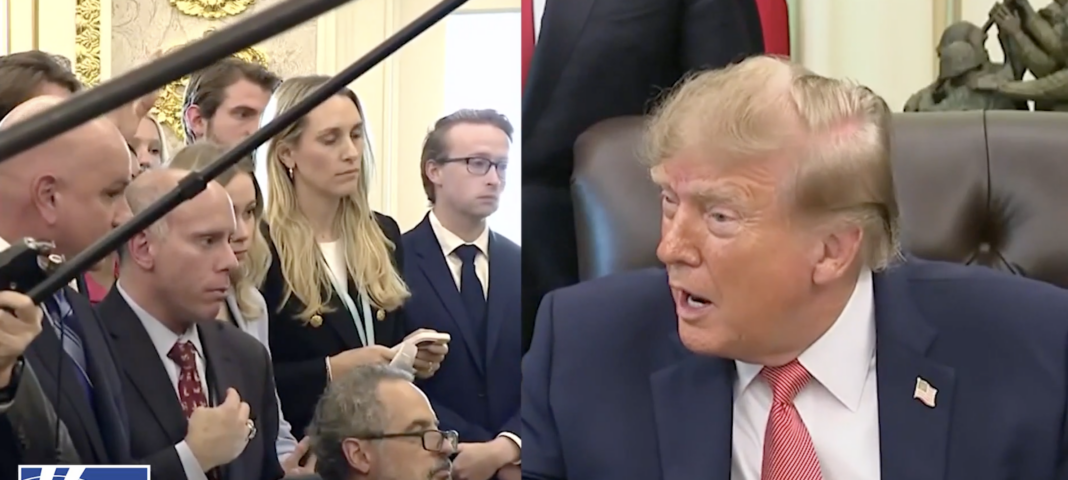
Speaking at a rally Tuesday night, Trump said that if Republicans win the House and Senate, he would direct the Justice Department to settle all remaining legitimate Camp Lejeune claims as quickly as possible. Then he delivered the line that turned a policy promise into a national headline: “If we don’t win, there’s no money.”
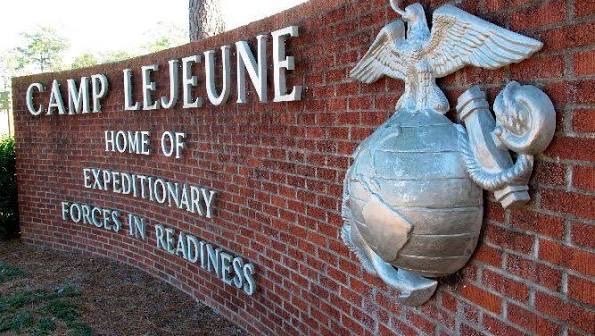
Camp Lejeune is not a normal campaign pork-barrel issue. For decades, Marines, civilian workers and family members at the North Carolina base were exposed to contaminated drinking water linked to serious illnesses, and Congress created a pathway for victims to seek compensation.
Thousands of claims have followed, and the Justice Department has already paid hundreds of millions of dollars through settlements and administrative programs. Many families are still waiting while litigation continues, including cases involving cancers and other severe health problems.
Trump framed faster settlements as something a Republican Congress could deliver. The uncomfortable part was making the availability of money sound conditional on voters choosing his party, as though a contamination claim comes with a congressional-majority checkbox.
The Washington Post placed the line in a broader pattern of what it called increasingly bespoke election “goodies.” Trump has promised $5,000 checks if Republicans win, tied federal investments to GOP victories and offered state-specific benefits at rallies around the country.
In Kentucky, he connected a major pharmaceutical investment to Republican success. In Kansas, he has talked about ethanol policy, and in North Carolina the promise landed on Camp Lejeune claimants whose cases are already governed by federal law rather than a rally scoreboard.
The administration could argue that congressional control affects budgets, legislation and the political support needed for settlement policy. That is true in a general sense, but Trump’s wording was much more direct than a civics lecture about appropriations.
“If we don’t win, there’s no money” does not sound like a forecast about committee negotiations. It sounds like the presidential version of putting the reimbursement envelope behind the election-night results screen.
Critics immediately accused Trump of using federal benefits as political leverage. Supporters may hear a simpler argument: elect Republicans, give the administration the votes it says it needs and watch the stalled claims finally move.
There is also a contradiction inside the government’s current posture. While the administration highlights settlement money already paid, Justice Department lawyers are still contesting some Camp Lejeune claims in court and challenging evidence over whether specific illnesses were caused by the contaminated water.
That makes the rally promise especially important for victims trying to understand what actually changes if Republicans win. A campaign line can promise speed, but individual claims still involve legal standards, evidence and settlement decisions that do not vanish on Election Day.
Nothing in the Camp Lejeune Justice Act says claimants lose eligibility because Democrats win congressional seats. Trump’s statement was a political promise about what his administration says it would do with Republican control, not a new legal condition on compensation.
But that distinction may not be very comforting to someone who has been waiting years for a claim to move. If the president tells a crowd there is “no money” unless his party wins, the message to victims is difficult to hear as anything other than conditional.
Trump has always preferred campaign promises that fit on a sign: build the wall, cut taxes, send the check. In North Carolina, he turned one of the military’s most painful contamination scandals into an equally simple pitch – win the election, get the money – and that is exactly why the line is now bigger than the rally.