



Trump wants the Supreme Court to revive his lawsuit against Hillary Clinton and others after lower courts dismissed it as frivolous and imposed nearly $1 million in sanctions.
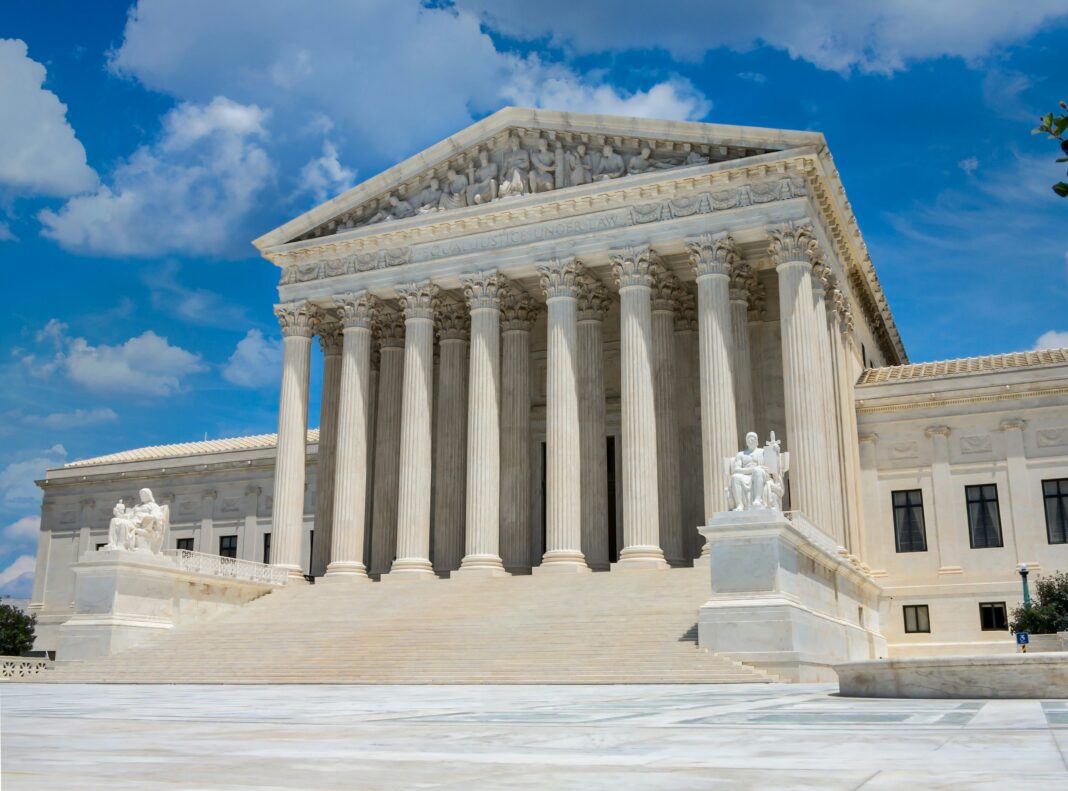
Donald Trump is taking one of his oldest political fights to the highest court in the country. The president has asked the Supreme Court to revive his lawsuit accusing Hillary Clinton, former FBI Director James Comey and others of conspiring against him during the 2016 election.
There is one major complication: a federal judge already dismissed the case as frivolous and hit Trump and one of his lawyers with nearly $1 million in sanctions. An appeals court later upheld both the dismissal and the sanctions. Trump is now asking the Supreme Court to reopen the legal fight anyway.
The original lawsuit accused Clinton and a long list of Democratic figures, lawyers and former government officials of coordinating to falsely tie Trump’s 2016 campaign to Russia. The complaint was sprawling, politically charged and, in the lower court’s view, legally defective enough to justify punishment for bringing it.
U.S. District Judge Donald Middlebrooks dismissed the lawsuit and later sanctioned Trump and attorney Alina Habba, describing the case as a misuse of the courts for political purposes. The sanctions totaled close to $1 million, which is a fairly expensive way to discover that a grievance and a viable civil claim are not always the same product.
Trump’s legal team now argues that the lower courts went too far and that Supreme Court review is necessary to protect legitimate legal positions from punishment. In the petition, his lawyers describe the sanctions as part of a troubling trend in which courts supposedly discipline the president and his attorneys for arguments judges simply disagree with.
The lower courts saw it differently. They found that the lawsuit recycled political accusations without an adequate legal basis and burdened defendants with litigation that should not have been filed in the first place. The appellate ruling left that judgment intact.
Asking the Supreme Court to hear the case does not mean the justices will do so. The Court receives thousands of petitions and accepts only a small fraction. At this stage, Trump is asking the justices to take up the dispute, not arguing the merits in a guaranteed full hearing.
The case is also a throwback to an era of Trump politics that somehow never truly ended. The 2016 election was a decade ago, Clinton has not held office since 2013 and Comey left the FBI in 2017. Yet the legal ecosystem around that campaign continues to produce new filings like a franchise that refuses to admit the original cast has moved on.
Trump’s supporters see the case as part of a broader argument that federal institutions and Democratic operatives targeted him unfairly. Critics see the Supreme Court petition as another attempt to relitigate political grievances through the courts after judges repeatedly rejected them.
The justices now have a simple procedural choice: take the case or leave the lower-court rulings alone. If they decline, Trump’s nearly $1 million lesson in sanctions remains intact. If they accept, Hillary Clinton gets one more surprise appearance in the Trump legal cinematic universe.