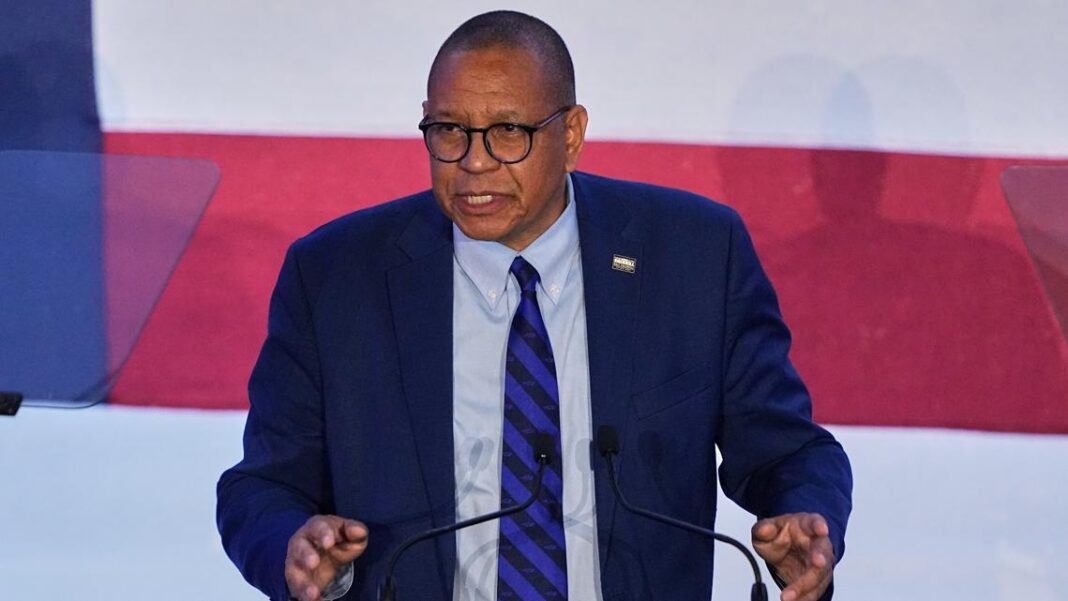





Zulma Toro stepped down while an investigation into bullying, intimidation and personal-task allegations was still underway. Her resignation statement did not directly address the complaints.
Central Connecticut State University President Zulma Toro resigned Wednesday after nearly a decade in the job, which would already be significant news on campus. The detail turning it into a much stranger story is what investigators were examining when she left: allegations that she bullied employees and asked staff members to do personal chores, including scheduling medical appointments and dog-sitting.
The Connecticut State Colleges and Universities system launched an investigation in August after a longtime employee accused Toro of bullying, intimidation and directing employees to handle personal tasks. Inside Higher Ed reports that the complaint was not an isolated one; multiple employees had filed complaints involving Toro going back several years.
The investigation was still active when Toro resigned. Her announcement did not directly address the accusations, though she referenced recent pressures and the toll they had taken. That means her departure should not be treated as proof that the allegations were substantiated. Resignation and guilt are not synonyms, even when the timing invites people to put them in the same sentence.
Still, the allegations themselves are unusually specific. Workplace complaints against senior leaders often involve words like ‘hostile environment,’ ‘retaliation’ or ‘management style.’ This one includes dog-sitting. There are few faster ways to turn an administrative governance story into something everyone immediately understands than adding, ‘and apparently someone had to watch the president’s dog.’
Toro had led CCSU since 2017 and was the university’s first woman and first Hispanic president. During her tenure, she oversaw the institution through the pandemic and other major changes in higher education. Her resignation therefore ends a substantial chapter for the school, not merely a brief appointment derailed by a single dispute.
The Connecticut State Colleges and Universities system said the investigation began August 20. According to Inside Higher Ed, the underlying complaint accused Toro of berating and intimidating employees as well as expecting staff to perform personal errands. The report says complaints involving Toro had been filed since 2019, giving investigators a broader record to review.
That history is important because accusations involving powerful university administrators are rarely simple. Presidents oversee large budgets, fundraising relationships, faculty disputes, labor issues, student crises and political pressure from governing boards. They also work with assistants and staff who routinely perform scheduling and logistical tasks. The legal and managerial question is where ordinary executive support ends and inappropriate use of employees begins.
Scheduling a university president’s work meeting is obviously part of the job. Scheduling a personal medical appointment may be a different matter depending on the employee’s role and expectations. Watching the boss’s dog is even harder to disguise as institutional governance unless the dog has recently been appointed dean.
That joke aside, the power imbalance is what makes such allegations serious. An employee may technically be able to say no to a personal request from a senior executive, but saying no to the person who sits at the top of the organization can feel very different from declining a favor for a coworker. Policies governing misuse of staff exist partly because informal requests can become difficult to refuse when they come from someone with authority over careers.
The investigation also involved allegations of bullying and intimidation, which are inherently harder to evaluate from headlines. One employee’s demanding leader can be another employee’s abusive boss. Investigators typically look for patterns, documentation, witness accounts and specific incidents rather than relying solely on descriptions of personality.
Toro’s resignation interrupts that process but does not necessarily end it. The university system can continue reviewing complaints to understand what happened, whether policies were violated and whether changes are needed to protect employees in the future. The institution also has to figure out leadership succession while dealing with the attention generated by the allegations.
For students, the whole thing may feel bizarrely disconnected from daily campus life. Universities sell themselves with glossy brochures about research, opportunity and community. Behind the scenes, they are enormous workplaces with the same management problems found everywhere else — except the executive office may also have a mascot, a foundation board and, apparently, a dog that needs coverage.
There is also a reason stories like this travel beyond higher-education trade publications. People understand the basic frustration instantly. Almost everyone has had a boss ask for something that did not feel like part of the job. Most people have not had that boss be the president of a public university.
Toro has not publicly conceded the allegations, and the ongoing investigation had not reached a final conclusion when she resigned. That uncertainty should remain attached to the story. The accusations deserve scrutiny; they are not findings merely because they are colorful.
But the timing guarantees questions. An investigation begins. Allegations include bullying, intimidation, medical scheduling and dog-sitting. Weeks later, the president abruptly steps down without directly addressing the claims. Even without assuming what investigators will ultimately conclude, that sequence is enough to keep the campus gossip machine operating at full academic capacity.
The larger issue is how public institutions police the personal use of staff by powerful leaders. Executives often have assistants precisely because their jobs demand enormous logistical support. The danger is when ‘support’ quietly expands until employees are performing tasks that serve the person rather than the institution. That boundary can be fuzzy. Dog-sitting tends to make it less fuzzy.
So the question is probably one every workplace can answer in its own way: when the boss asks employees to handle personal errands, at what point does ‘helping out’ become an abuse of authority?