



A forthcoming book claims the future king wants royal titles tied to actual duties, potentially affecting Harry and Meghan’s family.
A Family Feud With a Job Description
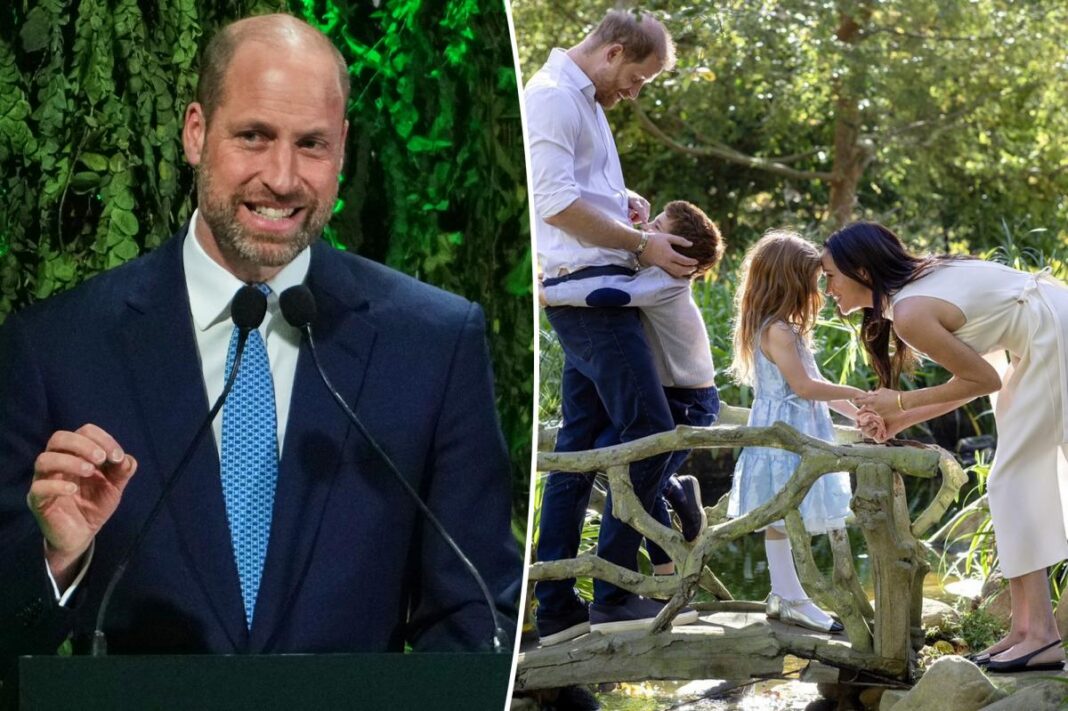
The latest chapter in the royal family drama involves a proposal that sounds like a particularly severe human-resources review: do the work or lose the title. A forthcoming book by royal journalist Tom Sykes claims Prince William wants to overhaul the monarchy when he becomes king, reserving certain royal styles and privileges for relatives who carry out official duties. Under that reported vision, Prince Harry, Meghan and their children Archie and Lilibet could lose royal titles or styles. The premise has all the ingredients of a British tabloid bonanza: two estranged brothers, hereditary privilege and a possible future king apparently contemplating the most consequential family group-chat decision imaginable.
What the Book Alleges
According to reporting on Sykes’s book, a person described as close to William says working royals would retain public roles, titles, financial support and a residence, while relatives choosing private lives would no longer receive the same treatment. The proposed principle is simple: royal status would be linked more directly to royal service. That would represent a significant departure from the public’s usual understanding of titles as something that follows family relationships and established rules. It is also not a formally announced policy.
The claims come from book reporting and unnamed-source accounts, not from an official statement by William.
The Palace Has Not Signed Off
Kensington Palace told Page Six that it does not comment on books or claims contained in them. Separate reporting on November 23 cited a palace denial of the factual basis for claims that William could revoke the HRH treatment of non-working family members. These accounts should not be flattened into a definitive announcement that the future king has decided to strip anyone of anything. No formal decision about Harry, Meghan or their children has been announced.
A royal rumor can acquire the tone of constitutional law in a single news cycle, especially when it comes with a photograph of two brothers looking unhappy at a ceremony.
Why Harry and Meghan Are Central
Harry and Meghan stepped back from senior royal duties in 2020, building a life and commercial projects outside the traditional working-royal system. That choice has remained at the center of public debate about the family’s finances, responsibilities and relationship with the institution. A rule linking titles to official duties would naturally raise questions about the Sussexes. But the practical treatment of styles, princely titles and peerages is not necessarily identical.
Different honors have different legal histories and mechanisms. That complexity makes the boldest versions of the headline considerably easier to write than the policy would be to implement.
William’s Own Children Enter the Picture
The reported proposal is not limited to Harry’s family. Sykes’s account suggests Princess Charlotte and Prince Louis might be allowed to choose independent careers instead of being automatically committed to a lifetime of royal service. Prince George, as a future heir, would face a different expectation. This is one of the more interesting elements of the story because it shifts the question away from a feud and toward the institution’s future.
How many working royals does a modern monarchy need? What should inherited status guarantee? And how much public support should come with a job that some family members would rather not take?
The Difference Between Reform and Revenge
William has publicly talked about wanting change in the monarchy, including preserving traditions that remain useful while reconsidering others. That does not independently confirm the particular title plan attributed to him. Critics may read the reported idea as a punitive measure against Harry and Meghan; supporters may view a smaller, duty-based royal structure as overdue modernization. Both are interpretations of an unconfirmed proposal.
The more defensible conclusion is that the book has revived a serious institutional debate inside an irresistibly personal family story. If the plan ever becomes official, the monarchy will have to explain the rules in far more detail than a royal insider’s memorable quote. Until then, the crown remains where it is, and the title purge remains a reported possibility rather than a completed act.