




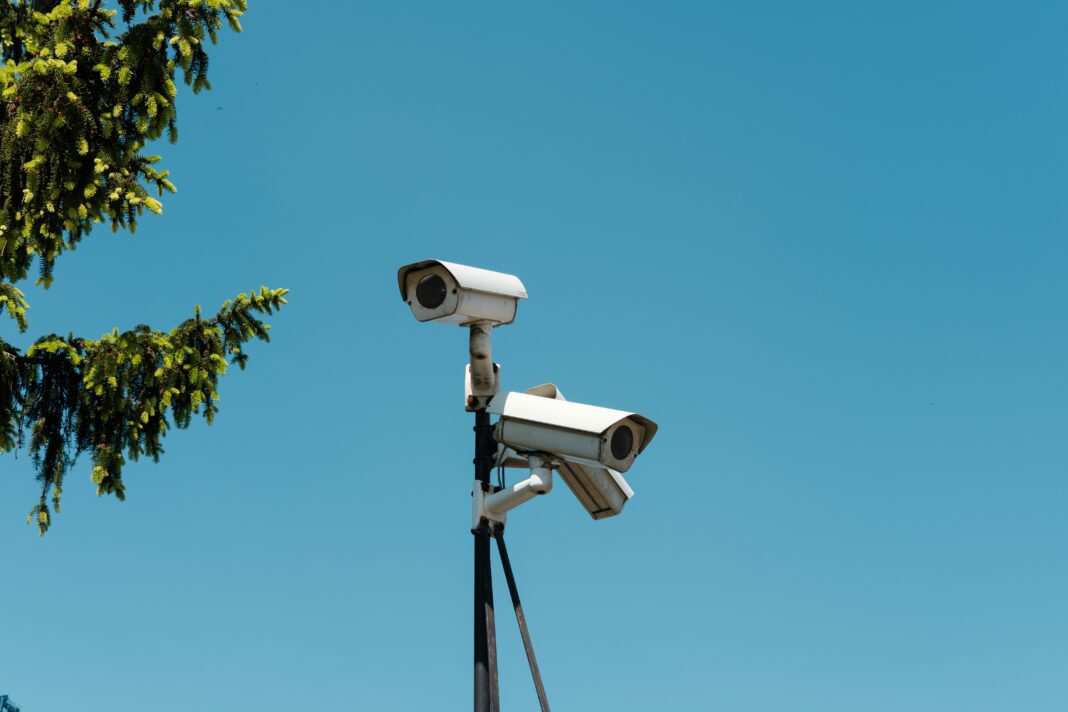
St. Lucie County expected to remove 52 Flock license-plate readers. Workers found 14 more that had never been permitted, and officials still could not identify the owner of 11 of them.
Officials in St. Lucie County, Florida, thought they knew how many automated surveillance cameras were watching local roads. The number was 52. Then they went to remove them and discovered 14 more cameras nobody at the county knew had been installed.
Three of the mystery cameras were eventually claimed by the sheriff’s office. That still left 11 devices with no obvious owner, no county permit and no clear public answer about who had access to the data they had been collecting. This is not generally what residents hope to hear about surveillance equipment pointed at their license plates.
The devices were made by Flock Safety, a company whose automated license-plate readers are used by police departments and private organizations around the country. The cameras photograph passing vehicles and record plate numbers along with the time and location, creating a searchable database that law enforcement can use to identify cars associated with investigations.
Supporters say Flock systems can help solve crimes quickly, locate stolen vehicles and find missing people. Critics argue that large networks of plate readers can become a form of mass location tracking, especially when agencies share data across jurisdictions or use systems without clear public oversight.
St. Lucie County had already decided to remove its Flock cameras when the mystery surfaced. Officials believed they were dealing with a known network of 52 devices. Instead, crews found additional cameras along county roads that local government had not permitted.
That immediately raised two questions that sound like the opening scene of a surveillance thriller: who put them there, and where was the data going?
The sheriff’s office took responsibility for three. According to The Washington Post, county officials were still unable to account for the remaining 11 when the story was published. Flock said it was working with officials to identify the devices and stressed that customers cannot simply install cameras wherever they want without authorization.
The discovery is unnerving because the technology is designed to be unobtrusive. A Flock camera is not a giant police tower with flashing lights. It can sit alongside a road quietly collecting plate information from thousands of drivers who may never realize they passed it.
That is precisely why permitting and ownership matter. If a camera belongs to the sheriff’s office, there is at least an agency accountable for its use. If it belongs to a homeowners association or private business, different policies may apply. If nobody can immediately identify the owner, basic questions about retention, access and data-sharing become much harder to answer.
Florida has become a major testing ground for these systems as communities balance crime prevention against privacy. Flock has grown rapidly nationwide, and the company says its tools are used to investigate serious offenses rather than casually track innocent drivers.
Privacy advocates counter that the same database capable of finding a stolen car can also reconstruct where people have traveled over time. The technology does not need to know who you are initially. Your license plate is often enough to connect movements to a registered vehicle.
The St. Lucie discovery adds a particularly uncomfortable governance problem. Residents can debate whether a county should operate license-plate readers. It is harder to debate a system the county itself did not know existed.
At least nobody found a secret bunker beneath the courthouse. Yet.
For now, officials are trying to determine who installed the remaining cameras and who could access their records. Until that is answered, the most unsettling part is not that technology was watching the roads. It is that the government responsible for those roads apparently did not know all of the technology was there.
So the obvious question is also the most basic one: if local officials cannot identify who owns surveillance cameras collecting information on public roads, who exactly was overseeing the people doing the watching?