



A GAO investigation found ICE bought 11 warehouses for about $1.07 billion, plans to sell seven, and spent millions more on unused meals, failed detention plans and tents that never held detainees.
ICE received a historic pile of money to expand immigration detention. Then it did what every homeowner fears doing after a late-night Zillow spiral: bought a bunch of enormous properties and later decided most of them were probably a bad idea.
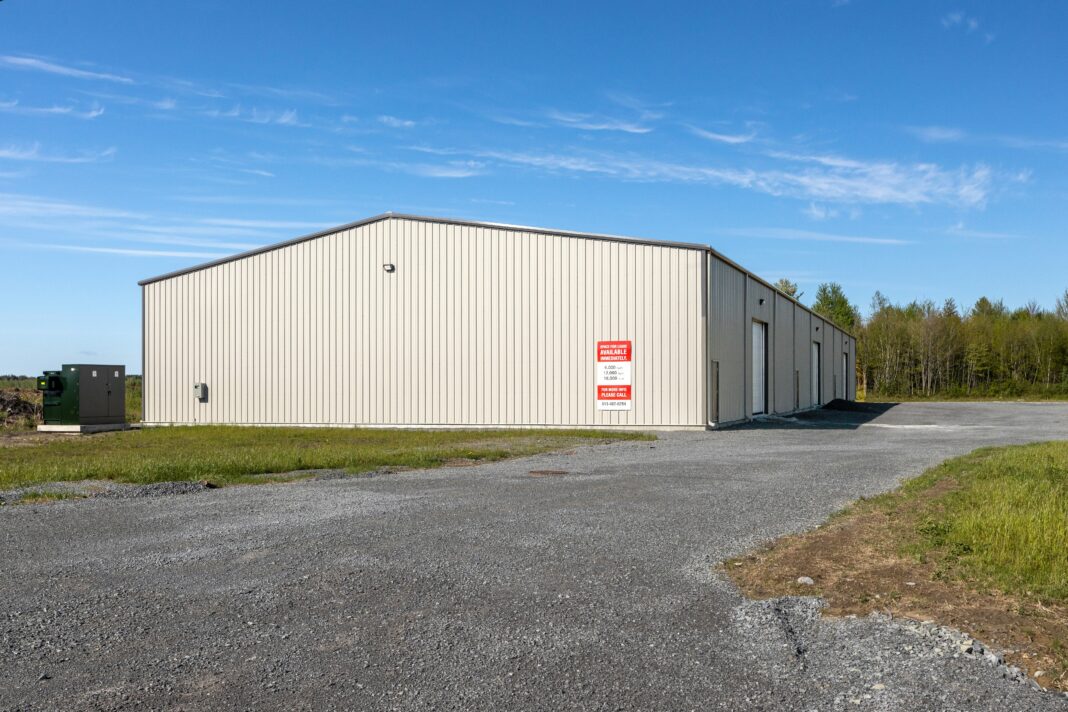
A new Government Accountability Office report says Immigration and Customs Enforcement purchased 11 warehouses for about $1.07 billion as part of a rapid detention-expansion effort, then told investigators it planned to sell seven of them. The watchdog concluded that ICE launched several major expansion initiatives without the planning and analysis normally expected before the government starts spending billions of taxpayer dollars.
The warehouse plan is the headline because the number is so large, but it is only part of the waste identified by GAO. The agency says ICE incurred more than $20 million in nonrecoverable costs tied to warehouses it now intends to sell, including security and zoning-related expenses. In other words, even if the government recoups the purchase price on some properties, a chunk of the spending is simply gone.
The report found similar problems elsewhere in the detention buildout. ICE spent roughly $7.1 million on meals it did not need at the Camp East Montana detention facility in El Paso because the contract required the government to pay for food based on planned capacity rather than actual detainee counts. The result was a very expensive lesson in the difference between ordering lunch for the people who showed up and ordering lunch for everyone who might theoretically show up.
GAO and CBS News also highlighted $2.85 million spent on tents at Guantánamo Bay that were never used to house detainees. The tents did not meet the standards needed for ICE detention, even as the broader Guantánamo plan fell far short of the huge capacity initially discussed by the administration.
GAO’s criticism is not that ICE had no reason to expand detention capacity. Congress gave the agency tens of billions of dollars to support a much larger immigration-enforcement operation, and the number of people held in ICE custody rose sharply after Trump returned to office. The problem, according to the watchdog, is that ICE pursued at least six major expansion initiatives without a comprehensive strategic plan explaining how much detention space it actually needed, what kind of facilities made the most sense or how expensive those facilities would be to operate over time.
That lack of planning matters because detention facilities are not ordinary real estate. Warehouses require major renovations before they can safely hold people. Sites need medical capacity, sanitation, security, food service, transportation and staffing. GAO found that ICE sometimes moved toward acquisition before resolving those basic questions.
One especially important issue is long-term cost. Axios reported that ICE spent more than $2.5 billion acquiring detention properties and warehouses but did not fully calculate how much those facilities would cost to maintain after the first three years, when current funding may expire unless Congress authorizes more money. Buying the building is therefore only the opening bid.
DHS agreed with GAO’s recommendation that ICE develop a comprehensive strategic plan for detention expansion. That is bureaucratic language for something most people would assume happened before the billion-dollar spending spree rather than after it.
Supporters of the administration’s immigration strategy can reasonably argue that ICE faced enormous pressure to build detention capacity quickly. Congress had funded a major expansion, arrests were increasing and the agency needed beds. Emergency conditions often produce messy contracting and imperfect forecasts.
But urgency does not make the numbers disappear. Seven warehouses that may be sold. More than $20 million in unrecoverable warehouse costs. Millions in unused meals. Millions more for Guantánamo tents that never housed anyone. Those are not ideological judgments; they are findings from Congress’s nonpartisan auditing arm.
That makes this a rare immigration story where the central fight is not primarily over the border, asylum law or deportation policy. It is over whether an agency entrusted with tens of billions of dollars knew what it was buying before it started signing checks.
ICE may still use much of the new detention capacity effectively, and the administration may argue that some sunk costs were unavoidable in a fast-moving expansion. GAO’s conclusion is narrower: the agency lacked the planning needed to minimize waste and should fix that before more taxpayer money follows the same path.
The question is almost painfully ordinary for a spending story involving billion-dollar detention facilities: if the government had enough time to buy 11 warehouses, should it also have had enough time to figure out whether it actually wanted them?