




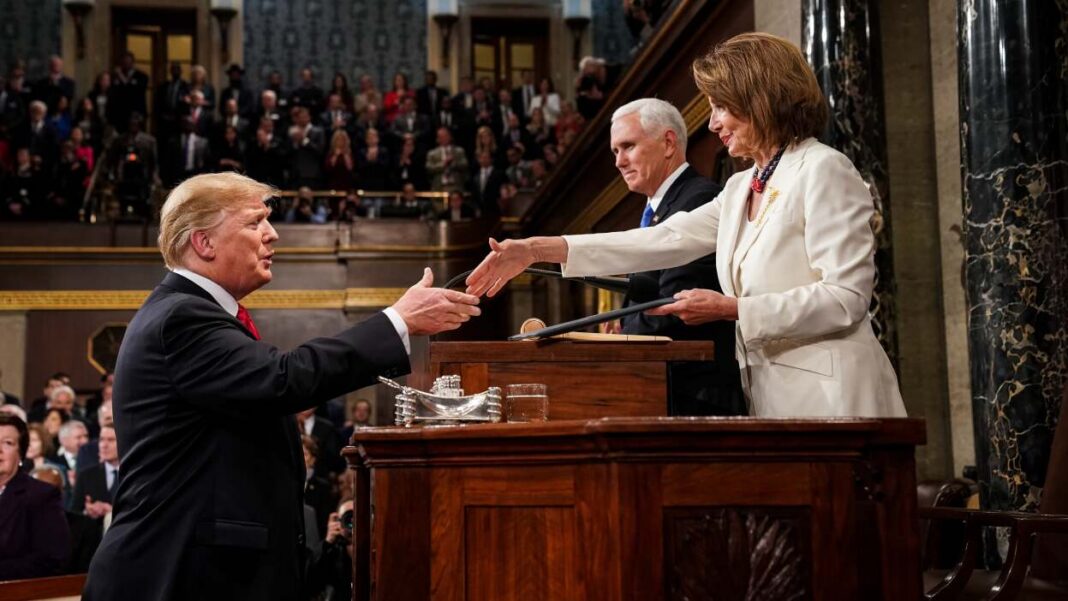
House Speaker Nancy Pelosi announced a formal impeachment inquiry into President Trump on Tuesday. The announcement followed a phone call between Trump and Ukraine’s president, and a whistleblower complaint from inside the White House. By Wednesday, just over 200 House Democrats and one Republican had publicly supported the inquiry. According to the New York Times, at least 71 Democrats came out in support since Monday alone.
The number is climbing by the minute. The drama is not whether impeachment will be discussed. The drama is how fast the floor is shifting under anyone still on the fence.
How to check your representative’s position
Need to Impeach maintains a live map showing where each House representative stands. Enter your zip code or address, and the site displays your representative’s current position: supportive, opposed, undecided, or silent.
If your representative is a Republican, the answer is almost certainly no. The lone exception is Michigan Representative Justin Amash, who left the Republican Party earlier this year. If your representative opposes impeachment or hasn’t taken a public stance, the site provides a script you can use to contact their office.
The New York Times also maintains a running list of supporters and opponents, updated as positions shift.
The Senate math is the harder problem
The Democrat-led House is likely to vote in support of impeachment proceedings. The numbers are moving in one direction. The Senate is a different story. As of Wednesday, just 17 Democratic senators had publicly supported impeachment. Many of those are current 2020 presidential candidates, including Elizabeth Warren, Bernie Sanders, Kamala Harris, and Cory Booker.
The absurdity is not that impeachment is on the table. The absurdity is that the table was set in 48 hours, after months of resistance from party leadership, and the pivot happened so fast that representatives are now updating their positions in real time while reporters refresh spreadsheets.
What happens when silence becomes untenable
For months, Pelosi resisted calls for impeachment from the progressive wing of her caucus. The Ukraine call changed the calculation. The whistleblower complaint gave cover. The flood of support that followed suggests that many Democrats were waiting for permission, not evidence.
The question now is not whether the House will impeach. The question is whether Senate Democrats will follow the wave, whether any Senate Republicans will cross over, and whether the speed of the shift itself becomes the story that makes staying neutral impossible.
Political pressure works both ways. A representative who opposed impeachment on Monday and supports it by Friday has to explain what changed. A senator who stays silent while the House moves forward has to explain why they’re waiting. At some point, the stance that felt safest becomes the one that requires the most defending.
The real question: how many of the representatives now rushing to support impeachment were genuinely moved by the Ukraine call, and how many just realized they were about to be the last one still sitting down?
Sources: