



The White House Office of Management and Budget published a proposed rule change on May 29 that would require political appointees to review federal research grants before awards are made. The change would apply to billions of dollars in funding across housing, transportation, health, and science. Political officials would have final say over projects even after they pass scientific peer review.
The proposal has activated scientists, advocacy groups, and Democratic lawmakers who say the change would replace scientific merit with partisan gatekeeping. It has also prompted comparisons to McCarthyism and late Stalinism, which is not a rhetorical space most federal budget office proposals typically occupy.
What peer review is, and what it’s been for
Since World War II, federal science agencies have relied on peer review to evaluate research proposals. Independent advisory committees of subject-matter experts assess studies, offer feedback, and make recommendations on funding. The process has been the norm for vaccine testing, climate research, biotechnology, public health, and social science.
Peer review is technically advisory, not binding. But in practice, it has been peer review combined with career scientists at the agency level that determined whether grants were issued. The new rule would insert political appointees into that final decision, giving them veto power over projects that scientists have already approved.
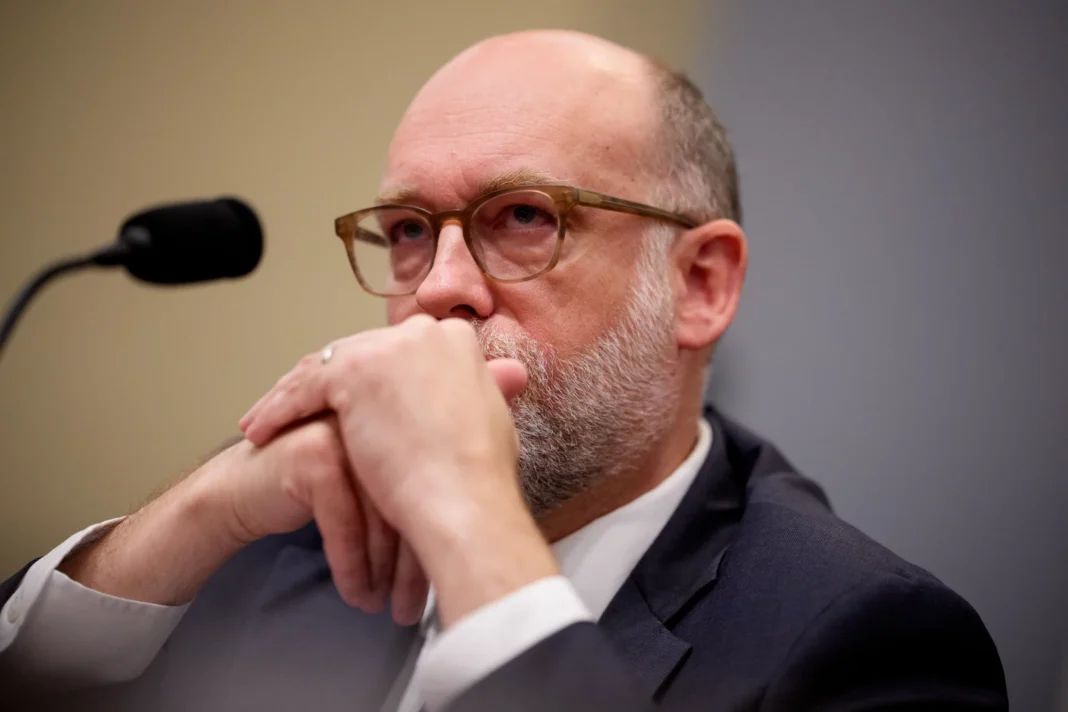
OMB Director Russell Vought’s office says the change is about efficiency and would improve the ability of agencies to identify and respond to waste, fraud, and abuse. Critics say there’s no evidence the current system needs fixing, and plenty of evidence that letting non-scientists overrule scientists produces bad outcomes.
The part where comparisons get historical
At an online forum organized by Stand Up for Science on Tuesday, historian Tim Snyder said the proposal reminded him of late Stalinism, when political loyalty determined scientific decisions rather than expertise. Snyder asked whether the country wanted to repeat that Stalinist situation where people who know nothing about science are the ones making the decisions.
The Infectious Diseases Society of America went with a different historical parallel, writing that the proposed rule would replace scientific merit with McCarthy-era politics.
Elizabeth Ginexi, a former staffer at the National Institutes of Health, posed the question more directly. When designing a study for a new cancer therapeutic, do you want Russell Vought, who is not a scientist, to determine which immunotherapy is ready to go into a phase three trial?
The answer the administration appears to be offering is yes, or at least that Vought’s office should have that option.
What else the rule does
The proposal also officially bans research on diversity, equity, and inclusion or gender as grant conditions. It places broad prohibitions on international scientific collaborations, which policy analyst Cole Donovan from Stand Up for Science said would affect high-impact research that relies on work across borders.
Holden Thorp, editor of Science magazine, wrote in an editorial that the proposal would mortally wound the nation’s scientific enterprise, despite the fact that research has bipartisan support in Congress and trust in science remains above 75 percent nationwide.
Democratic Rep. James Walkinshaw of Virginia said at Tuesday’s forum that the rule’s purpose is transparent. The question isn’t whether politics will influence research under this proposal. That’s the point.
What happens next
The rule is open for public comment until July 13. After that, OMB will review those comments and decide whether to issue a final version. Congress is unlikely to intervene.
If the rule passes, Donovan said he expects it will almost certainly be challenged in court.
In the meantime, researchers are organizing, lawmakers are speaking out, and comparisons to authoritarian science policy are flying. The administration says the change is about efficiency. Scientists say it’s about control. What nobody has answered yet is what happens to the next generation of cancer research, climate modeling, or vaccine development when the person deciding whether it moves forward is Russell Vought instead of someone who knows what any of those words mean.
The question isn’t whether this is a power grab. The question is whether anyone with the authority to stop it thinks peer review is worth defending before the comment period closes.
Sources: