



The Federal Reserve raised its benchmark interest-rate target by a quarter percentage point on Wednesday, moving the range to 3.75% to 4.00%. The vote was unanimous. It was the central bank’s first rate increase since 2023 and the first increase under Chair Kevin Warsh. Fed officials said inflation remained too high and that the increase would support a faster return toward the central bank’s 2% inflation target.
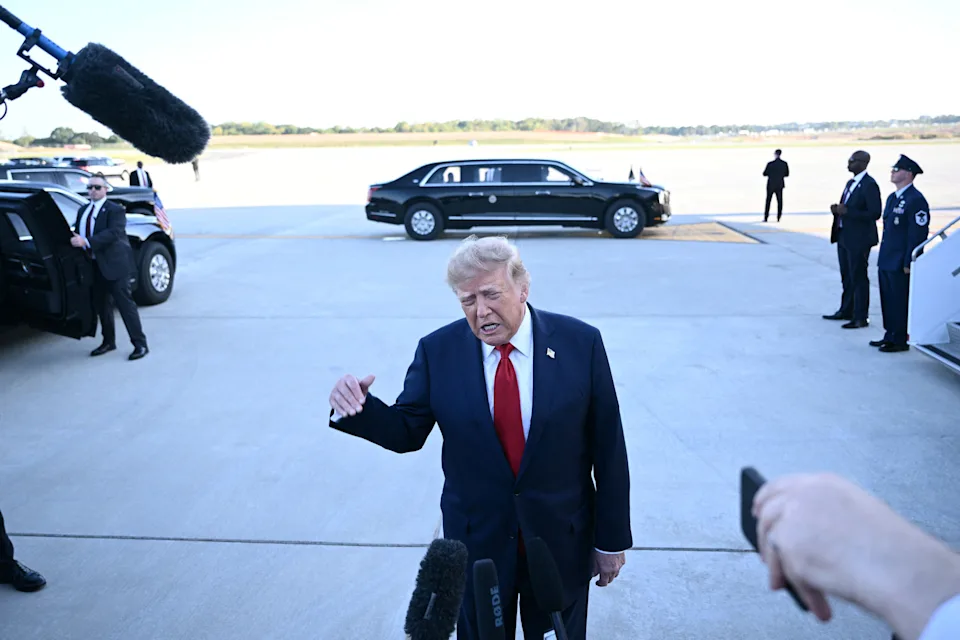
President Donald Trump had publicly argued for much lower rates and reacted by accusing the Fed board of acting politically. Newsmax reported that Trump called the board ‘very hostile’ and ‘very political’ and said officials were raising rates to hurt him. Fox News focused on the potential midterm consequences, noting that higher borrowing costs can raise monthly payments for people buying homes or cars. Trump nevertheless said he still had confidence in Warsh, whom he appointed.
That distinction is important. Trump criticized the decision and the board while continuing to support the chair. Warsh, for his part, defended the move by pointing to inflation, a stronger economy and the effect of global conflict on energy prices and longer-term borrowing costs. Newsmax quoted Warsh saying inflation had been ‘too high’ for ‘too long.’ The central bank also left open the possibility of additional increases later this year.
The Fed’s decision comes at a politically difficult time because rate hikes can slow demand and make borrowing more expensive just weeks before the midterm elections. Trump wants rates closer to 1% or below, arguing that cheaper credit would help households and businesses. Fed officials are focused on a different risk. If inflation remains elevated and the central bank does not tighten policy, prices could continue rising faster than its target.
The disagreement goes to the heart of Federal Reserve independence. Presidents have always cared about interest rates because monetary policy affects growth, employment, markets and voter sentiment. The Fed is structured so that elected officials cannot directly dictate each rate decision. That independence is meant to allow policymakers to make unpopular choices when they believe inflation or financial stability requires them.
Trump has repeatedly argued that the Fed is too political, while the administration has also publicly pressured the bank to lower rates. White House officials said before the meeting that they would respect Warsh’s decision even if they disagreed with it. After the increase, Trump continued to attack the board but stopped short of withdrawing support from Warsh. That creates an unusual split between confidence in the chair and criticism of the unanimous committee he leads.
Consumers will feel the decision indirectly rather than through one immediate national price change. Mortgage rates, auto loans, credit-card borrowing and business financing are influenced by broader market conditions as well as the federal funds rate. A quarter-point increase does not translate mechanically into every borrowing rate, but it can add to financing costs when credit is already expensive. Warsh’s position is especially important because Trump selected him after years of criticizing former chair Jerome Powell for keeping rates too high. A chair appointed by the president is still expected to lead an independent committee once confirmed. The unanimous vote therefore complicates any claim that the increase came from a small faction acting against Warsh. All 12 voting members supported the quarter-point move. That does not prove the decision was economically correct, but it shows the committee reached a common judgment about inflation. The administration can continue arguing that the Fed is misreading the data. The Fed can continue arguing that stable prices require tighter policy. The institutional test is whether that disagreement remains a public policy dispute rather than becoming pressure on individual officials to deliver a preferred political outcome.
The economic consequences also depend on what happens next rather than on the first public threat. Tariffs can be announced, delayed, narrowed or used as leverage in negotiations. Canada and the EU can likewise adjust the scope of their discussions. That flexibility is why the phrase associate member matters politically even before it is legally defined. It creates a framework for future cooperation and a test of how aggressively Washington will respond when two close U.S. partners try to reduce their exposure to American policy swings.
The immediate facts are clear enough to support scrutiny without overstating what remains unknown. The next phase will produce more documents, votes, legal decisions or economic data that can test the competing claims. Until then, the distinction between what has happened and what each side predicts will happen is central to covering the story accurately. The politics will become sharper if another rate increase follows. Fed projections suggested more tightening could still be necessary, while Trump continues to argue that borrowing costs should fall dramatically. Each new data release will therefore be read twice, once as an economic signal and again as evidence in a political fight over whether the central bank is acting independently or making the wrong policy choice. For households, the political argument will matter less than whether inflation and borrowing costs actually move in the direction each side predicts.
The next test will be inflation data. If price pressures cool, the Fed may be able to stop raising rates or reverse course later. If inflation stays high, Warsh and the committee may decide additional tightening is necessary despite White House opposition. Trump’s political criticism will continue to matter because it raises a separate question about whether markets believe the Fed can make those decisions independently.
If inflation remains above target while the president demands cheaper money, how much political pressure can the Fed absorb before markets begin to question its independence?
Sources
Fox News: The Fed just threw a wrench in Trump’s midterm economic message – https://www.foxnews.com/politics/fed-threw-wrench-trumps-midterm-economic-message
Newsmax: Warsh Explains Fed Hike, Points to Iran War, Inflation – https://cloudflarepoc.newsmax.com/us/warsh-explains-fed-hike-points-to-iran-war-inflation/2026/09/16/id/1269700/
Newsmax: Trump Says He Still Has Confidence in Warsh – https://cloudflarepoc.newsmax.com/finance/streettalk/trump-says-he-still-has-confidence-in-warsh/2026/09/16/id/1269708/