




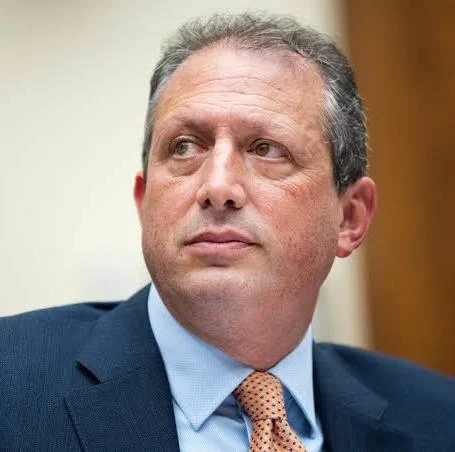
Brad Lander went to a federal immigration court in Manhattan in June 2025 and left in handcuffs. At the time he was New York City’s comptroller and a candidate for mayor. Video showed federal agents detaining him after he accompanied a man out of a courtroom and repeatedly asked to see a judicial warrant. There are easier ways to demonstrate a commitment to immigration policy. Most involve a press conference and a microphone. Lander chose a federal building full of officers, lawyers and cameras, which guaranteed that a legal disagreement would become a public spectacle.
The Guardian reported that Lander had been observing immigration hearings at 26 Federal Plaza and was accompanying a man he later identified as Edgardo. The footage shows Lander holding onto the man as agents tried to separate them. Lander said he would let go when shown a judicial warrant. The Department of Homeland Security accused him of assaulting law enforcement and impeding an officer; Lander denied assaulting anyone. He was released later that day, and officials said no charges were being brought at that time. The distinction between an allegation and a conviction is important, particularly in a story whose central argument is about what process people are entitled to receive.
Lander’s appearance was political as well as personal. He was running for mayor and visiting a federal immigration court at a moment when courthouse arrests had become a prominent controversy. His supporters described the detention as an example of aggressive enforcement. Critics argued that elected officials should not interfere with officers carrying out their duties. The video became the argument, replayed by people who saw either a public official demanding accountability or a politician inserting himself into an arrest. New York politics does not often produce a quiet disagreement. This one arrived with an elevator and handcuffs.
The federal government’s position, as reported by the Guardian, was that Lander obstructed officers. Lander’s position was that he was asking a basic legal question and trying to accompany someone through a courthouse. Lawyers quoted in coverage noted that immigration arrests in public courthouse spaces do not necessarily require a judicial warrant. That is a detail the television version of the story tends to flatten. A demand for a warrant may be politically resonant without settling the legal question. Conversely, an officer’s authority to arrest does not automatically answer whether the enforcement strategy is wise, proportionate or likely to build public trust.
The most telling moment came after Lander was released. He said he was fine, apart from a lost button, but the man he had been accompanying remained in immigration detention. That observation cut through the political theater. The comptroller had a campaign, a public profile, lawyers and a crowd waiting outside. The other man did not have the same megaphone. It is possible to criticize a politician’s appetite for the cameras and still recognize that the person without a camera crew is the one facing the longer consequences. Both points can be true, even in a city where admitting that sometimes seems to require a special permit.
There is a broader problem for both politicians and federal agencies when a courthouse becomes a recurring stage for confrontation. The public sees fragments of legal process through viral clips, while the people whose cases are being heard must navigate rules that do not fit into a thirty-second video. Lander’s detention was real. So was the dispute over what the agents were authorized to do. The case illustrates how quickly an encounter involving one person’s immigration proceeding can become a contest over the meaning of federal power. The unresolved part is what happens when the cameras leave.
What safeguards can make immigration enforcement at courthouses both legally accountable and workable for the people whose cases are being heard?