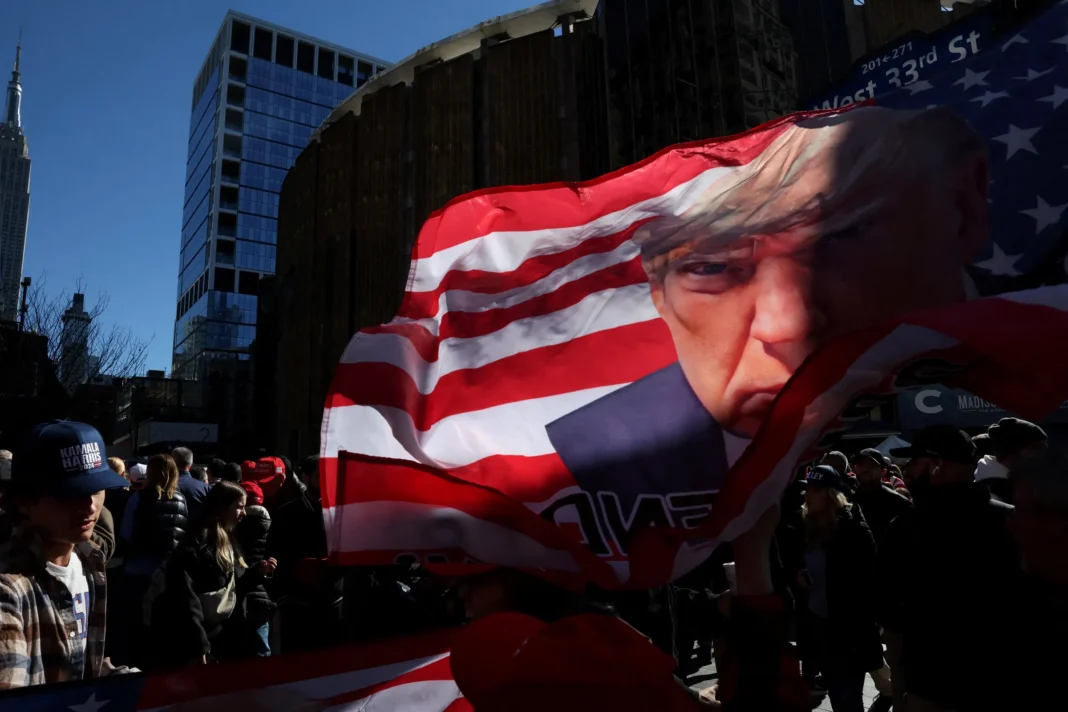




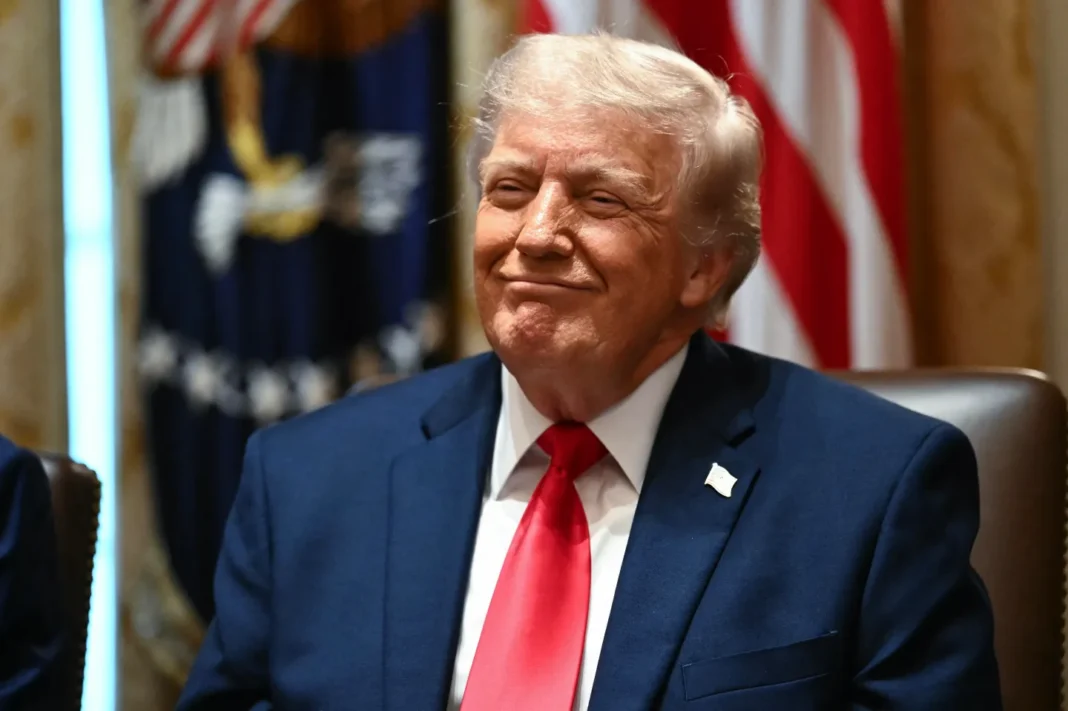
Donald Trump wanted $1.776 billion in discretionary cash to spend however he pleased. Senate Republicans, of all people, told him no. The so-called anti-weaponization fund—announced in May as part of a settlement Trump’s team negotiated with the IRS he controls—has been suspended following open revolt from GOP senators who usually rubber-stamp whatever the White House wants.
The fund was designed to compensate victims of alleged political persecution under the Biden administration. It had no rules constraining who could receive payments. Democrats immediately pointed out that Trump could use it to pay himself, his family, or January 6 rioters who stormed the Capitol. Senate Republicans, who have spent most of Trump’s presidency nodding along, met with acting Attorney General Todd Blanche on May 21 to ask how the fund would be policed. Blanche had no answers. The fund was built for maximum presidential discretion. The senators left furious.
By Monday, June 1, multiple outlets reported Trump was backing away from the fund. The White House cited a judge’s temporary pause as the reason, but every report pointed to the same driving force: Senate Republicans weren’t going to let this one go.
The timing was spectacularly bad
Trump announced the weaponization fund on May 18, right as Congress was preparing to pass a must-pass reconciliation bill funding ICE and Border Patrol. Reconciliation bills can’t be filibustered, but they do allow the minority party to force amendment votes. Democrats were ready with a stack of amendments designed to restrict Trump’s access to the fund. Every Republican senator would have to vote on the record, in an election year, on whether Trump should be allowed to pay out cop beaters or child molesters if they happened to claim political persecution.
If Republicans voted down every Democratic amendment, they owned the fund politically. If they passed restrictions without White House approval, they’d face Trump’s wrath. The meeting with Blanche made clear there was no middle ground. The fund was designed to give Trump whatever he wanted, whenever he wanted it. Senate Republicans went home for Memorial Day recess without passing the ICE bill.
When they returned Monday, House Speaker Mike Johnson went to the White House. Shortly afterward, leaks about the fund’s suspension began appearing. According to Vox, every piece cited Republican opposition in Congress as the key reason.
This is not the only time Trump has lost
The weaponization fund is not an isolated case. Trump’s proposal to build a new White House ballroom has stalled in Congress. The Senate recently advanced a War Powers Resolution that would force Trump to seek congressional authorization to continue the war in Iran. The House passed a bill in February ending Trump’s tariffs on Canada. Senator Bill Cassidy of Louisiana voted yes on the War Powers Act after losing a primary to a Trump-backed candidate. Spite, it turns out, is clarifying.
In many cases, Trump created his own problem. The ballroom and the weaponization fund were both obvious political liabilities announced in an election year. The War Powers revolt was the direct result of Trump’s heavy-handed attempt to control Congress through primaries. Matt Glassman, a congressional expert at Georgetown University, told Vox the timing of the weaponization fund announcement forced Republicans’ hands. The administration chose to announce it at the dumbest possible time.
Republicans are not discovering constitutional principles. They are discovering that aligning with Trump on everything has electoral consequences, and narrow House and Senate majorities mean it doesn’t take many defections to block a bill.
The clock is ticking
Democrats are overwhelmingly likely to retake at least the House in November. Once that happens, Trump’s ability to consolidate power through legislation ends. He’ll face hostile oversight from Democratic-controlled committees. If Trump were a more competent authoritarian, he might be using his remaining time controlling Congress to grab as much formal power as possible. Instead, he’s picking costly fights that could have been avoided with defter management.
The entire ICE funding standoff, the thing that forced Senate Republicans’ hands in the first place, is the result of Senate Minority Leader Chuck Schumer’s hardline stance back in February. Lacking formal power, Schumer and the Democrats manipulated the legislative process to engineer conflict between Senate Republicans and the White House. They couldn’t have foreseen the weaponization fund, but they created conditions where something like this became more likely.
It’s unclear whether the weaponization fund is permanently dead. Many Republicans in Congress remain skeptical and are pursuing legislative fixes to ensure it stays gone. Senator John Kennedy of Louisiana told Semafor the fund is impacting the reconciliation bill and its passage. Senator Roger Wicker of Mississippi called it a nonstarter from the get-go.
The question now is whether this Republican resistance holds, or whether Trump finds a way to revive the fund once the immediate political pressure eases and the cameras move on.
Sources: