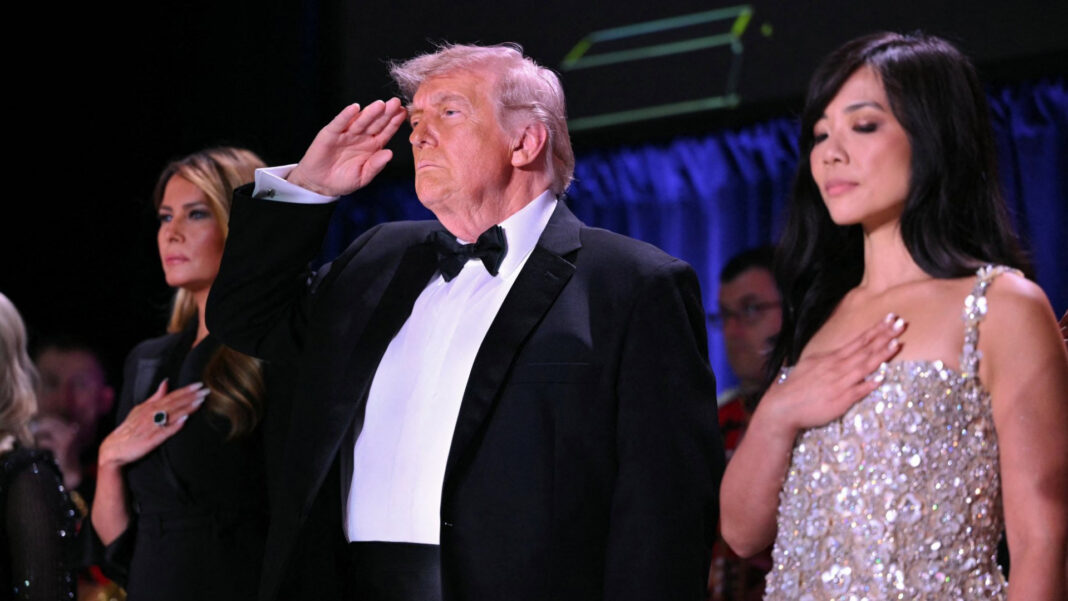




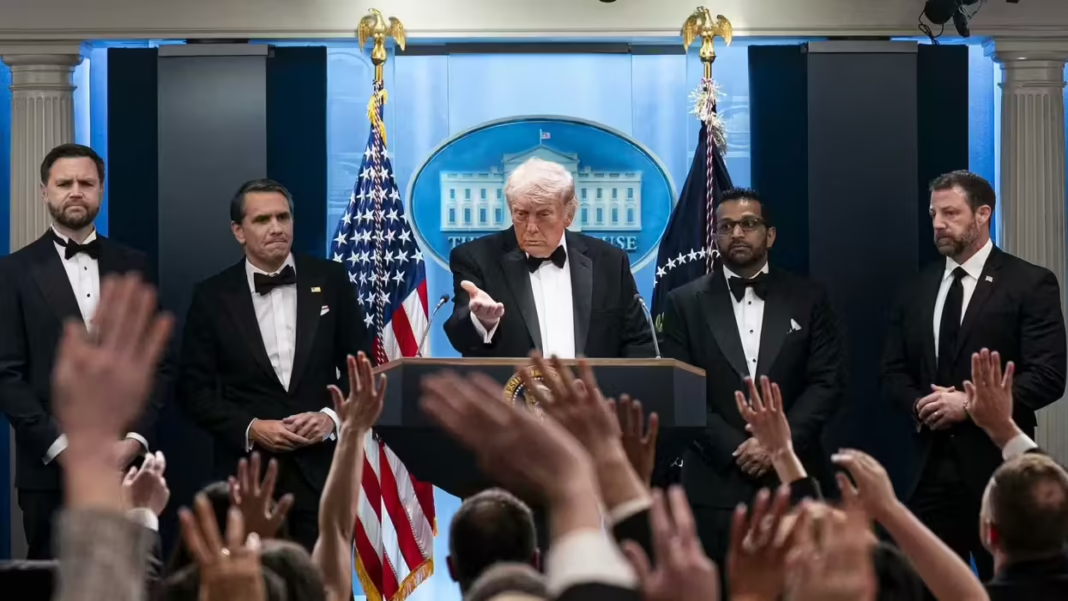
President Donald Trump announced Tuesday that the White House Correspondents’ Dinner will be rescheduled for July 24, two months after the April 25 event ended when a man allegedly rushed through security and fired a shotgun inside the Washington Hilton. The president framed the decision as a refusal to let violence dictate the schedule, though he left one detail conspicuously unresolved: whether he plans to deliver the same speech he had prepared before being evacuated.
Trump posted on Truth Social that the rescheduled dinner represents “a sign of Strength and Fortitude” and that “we cannot allow Lunatics to change our way of life, or even its scheduling.” White House Correspondents’ Association President Weijia Jiang invited him to speak, and he accepted. The new venue will be the Waldorf Astoria on Pennsylvania Avenue, a ballroom Trump renovated during his private career and sold in 2021.
The suspect, Cole Allen, was captured in the hotel lobby and charged with attempted assassination of a president and assaulting a federal officer with a deadly weapon. He has pleaded not guilty. Investigators found a manifesto in which Allen allegedly confessed to planning to kill the president. Surveillance video appears to show him rushing into the event with a weapon. He faces life in prison if convicted.
The absurdity nobody’s naming
At some point, the decision to reschedule a black-tie dinner interrupted by gunfire stops being about defiance and starts being about the speech. Trump’s announcement makes this clear. He wrote that he hasn’t decided “whether or not I will give the same rather nasty statements, at least as it concerns certain people,” then added that the evening will be a “HOT ticket.” That is not the language of a president planning gracious remarks about democratic resilience.
The White House Correspondents’ Dinner has always been a controlled collision between the press and the presidency, but it typically ends with champagne and polite laughter, not evacuation orders. Rescheduling it is one thing. Rescheduling it with the explicit teaser that the original remarks were “rather nasty” turns an act of symbolic resilience into a cliffhanger.
The new venue adds a layer of poetic strangeness. Trump will deliver remarks, potentially hostile ones, in a ballroom he once renovated and no longer owns, to a room full of journalists he has spent years calling enemies of the people, at an event originally interrupted by an alleged assassination attempt. The optics are doing a lot of work here.
What we’re watching
The real question is whether Trump views the rescheduled dinner as an opportunity to demonstrate normalcy or as an opportunity to settle a score. His announcement suggests the latter but leaves enough ambiguity that the press corps will spend the next two months speculating. That may be the point. The dinner becomes a story twice: once when it’s announced, and again when he takes the podium.
Worth watching is how the White House Correspondents’ Association navigates the event. The original dinner ended in chaos. The rescheduled version will take place in a smaller, more secure venue with a president who has telegraphed that his remarks may be confrontational. The association invited him to speak, which means it owns whatever happens next. If Trump delivers the “nasty statements” he’s hinted at, the story becomes whether the press corps laughs, walks out, or sits in uncomfortable silence.
Also worth watching: whether Trump’s decision to frame the rescheduling as defiance against “Lunatics” resonates with voters or whether it reads as using a violent incident as a setup for a roast. The line between resilience and spectacle is not always clear, and Trump has never been particularly concerned with finding it.
What happens when Trump takes the microphone is now the only story that matters about July 24. The president has publicly acknowledged that he prepared remarks he describes as “rather nasty,” and he has not committed to toning them down. The press corps will be there. The ballroom will be smaller. The tension will be higher. The question is whether the president views the evening as a return to normalcy or as the punchline to a joke that started in April and hasn’t landed yet.
Sources: