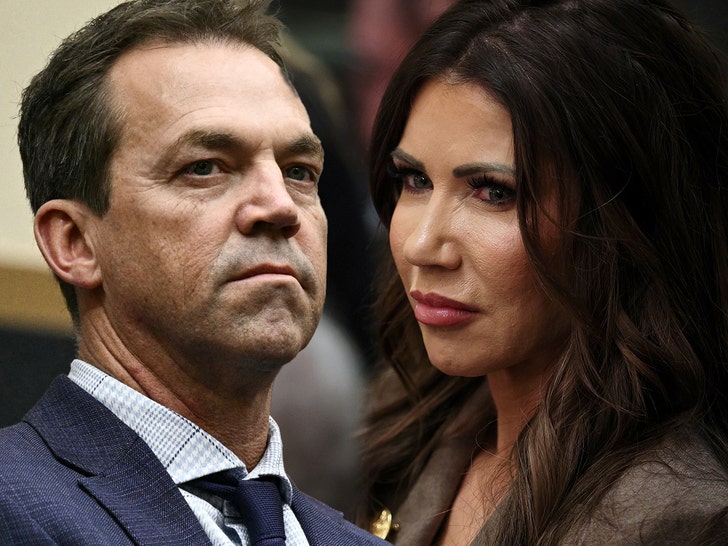




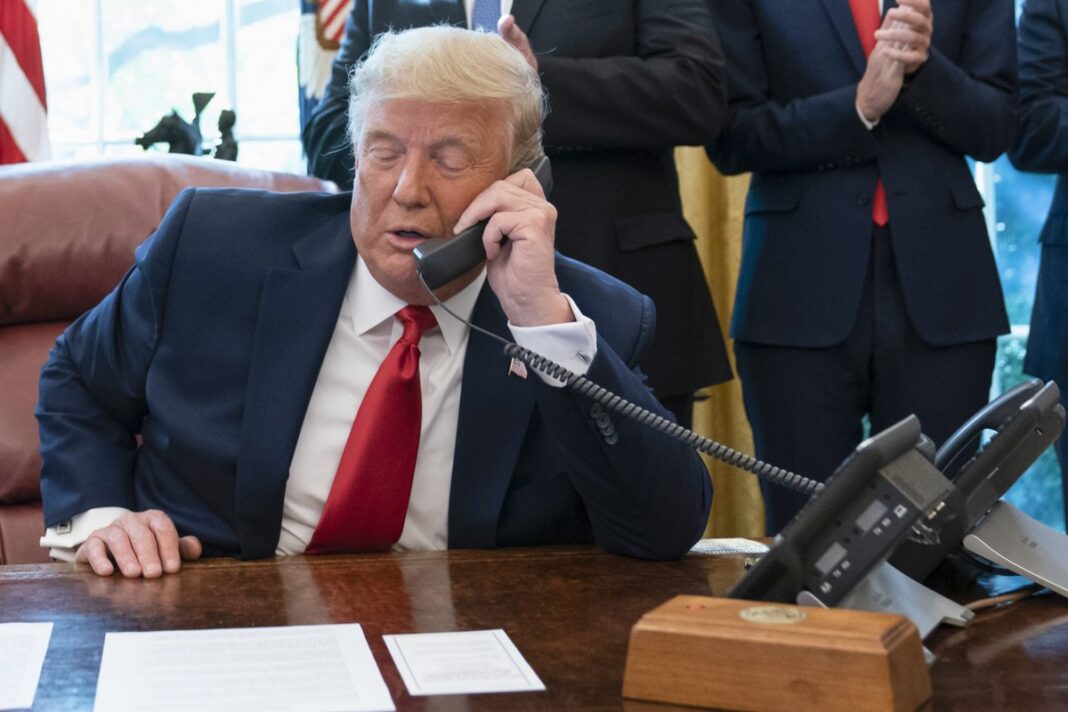
Tom Cotton is usually one of Trump’s strongest Senate allies. That did not stop the president from posting Cotton’s personal cellphone number because the Arkansas Republican refuses to support permanent daylight saving time.
Donald Trump has spent years feuding with Democrats, prosecutors, journalists, judges, former allies and occasionally windmills. This weekend he added a new enemy to the list: changing the clocks twice a year. More specifically, he went after Republican Sen. Tom Cotton for refusing to help him make daylight saving time permanent, and Trump escalated the dispute by posting Cotton’s personal cellphone number on Truth Social.
Trump told followers that Cotton was standing in the way of the Sunshine Protection Act, legislation that would keep daylight saving time in effect year-round. He then encouraged people to contact the senator directly. Instead of linking to Cotton’s Senate office, Trump published what The Washington Post identified as Cotton’s private cell number. Somewhere in Washington, an aide probably heard a phone begin vibrating and immediately knew the weekend had taken a turn.
The fight is unusually personal because Cotton is not a regular Trump antagonist. The Arkansas senator has been one of the president’s most reliable allies on national security, immigration and a long list of conservative priorities. But he has refused to budge on permanent daylight saving time, arguing that late winter sunrises would leave children commuting to school in darkness and create safety problems for families.
Trump sees the issue differently. He argues Americans hate changing their clocks and would rather have later sunsets throughout the year. In his post, he cited support from Arkansas residents and shared a letter from PGA Tour CEO Brian Rolapp backing year-round daylight saving time. Golfers wanting more evening sunlight may not constitute a constitutional amendment, but they have apparently become a meaningful Washington constituency.
The Sunshine Protection Act has moved through the House but remains stuck in the Senate. The broad idea of ending clock changes is popular, but Americans are divided over what should replace them. Some want permanent daylight saving time, while others prefer permanent standard time. Medical groups have generally favored standard time because it more closely matches natural circadian rhythms.
Cotton has leaned heavily on history. The United States briefly tried year-round daylight saving time during the 1970s energy crisis, and public support fell sharply once Americans experienced dark winter mornings. News reports at the time focused heavily on children traveling to school before sunrise, and Congress eventually reversed course.
Trump is apparently less interested in the historical cautionary tale than in the evening sunlight. His argument is partly economic and partly lifestyle-based: later sunsets mean more time for shopping, recreation, sports and outdoor activity. Supporters also say eliminating clock changes would end the twice-a-year ritual of everyone pretending they understand which direction the hour is moving.
Posting Cotton’s personal number, however, transformed a policy disagreement into something much more Trumpian. The president has done this before. During his first presidential campaign in 2015, Trump publicly read out Lindsey Graham’s cellphone number after Graham criticized him. Graham responded by releasing a video in which he destroyed his old phone with a blender, golf club and fire. Washington survived.
The Cotton episode is different because Trump is now president and Cotton is a sitting Republican senator whose vote matters to the president’s legislative agenda. The message is difficult to miss: even close allies can become targets if they block something Trump wants, even if the something is what time the sun comes up in January.
Cotton did not cave. He reiterated his opposition Saturday, again warning about dark winter mornings and arguing that permanent daylight saving time had already failed once. That means the country now has the unusual spectacle of a Republican president and a Republican senator engaged in a public showdown over whether 8 a.m. should look like morning.
There is a legitimate policy debate buried under all the phone-number chaos. Ending seasonal clock changes has supporters in both parties, and there are real questions about health, business, school schedules and public safety. But most of those debates traditionally occur through hearings, studies and votes rather than millions of people being handed a senator’s private cellphone number.
Trump’s move also raises a broader question about political pressure. Public officials should expect constituents to contact them, but congressional offices exist precisely so people can do that without turning a lawmaker’s personal phone into a national complaint hotline. Publishing the private number of an ally because he disagrees on legislation takes constituent engagement into much stranger territory.
The funniest part may be the scale mismatch. Washington is dealing with wars, inflation, immigration, elections and trillion-dollar spending fights. Yet one of the president’s most personal Republican feuds of the weekend is about whether America should keep moving the little hand on the clock.
So the question is not merely whether permanent daylight saving time is a good idea. It is whether disagreement over it really requires the president of the United States to turn a senator’s private cell number into the world’s most aggressive calendar reminder.