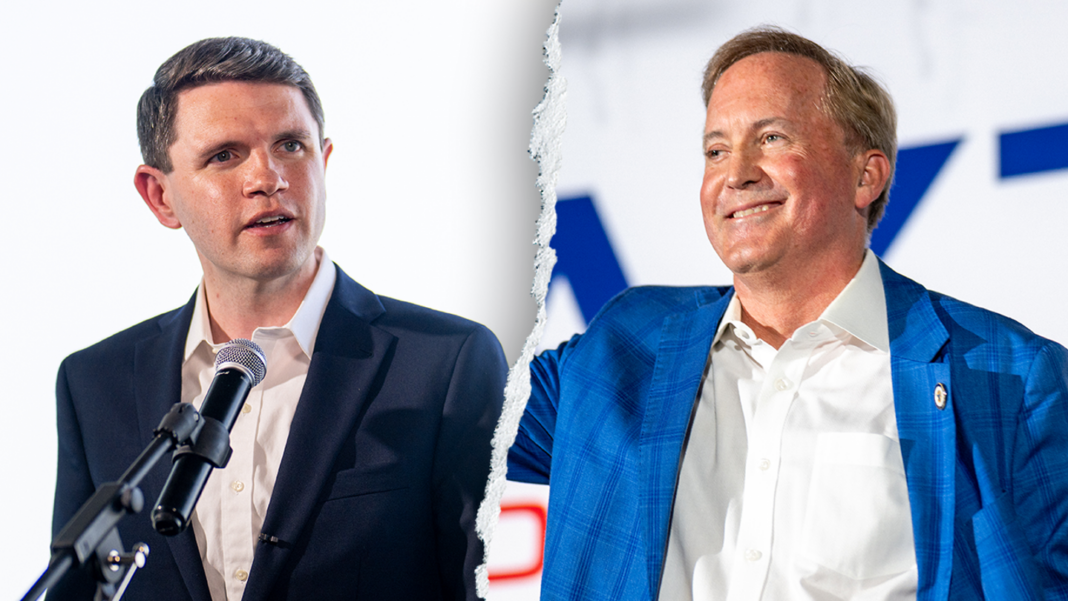




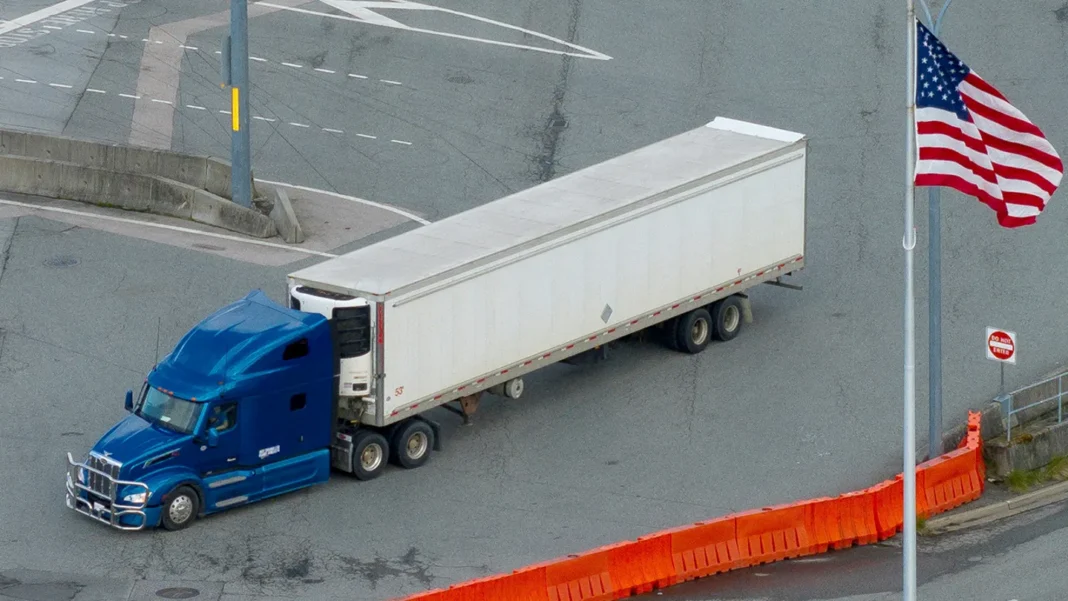
Donald Trump’s trade war with Canada has reached the stage where tariffs are no longer enough and geography has been asked to participate. The United States is imposing 50 percent tariffs on about $20 billion in Canadian goods, Canada plans retaliatory tariffs, and Trump has also celebrated the renaming of Lake Ontario as ‘Lake America’ on U.S. map displays. The Guardian and Washington Examiner have both covered the escalating dispute. Trade negotiations are stalled. The neighbors are threatening each other’s exports. Somewhere, a map app has been promoted to deputy trade representative.
The tariff fight itself is real and expensive. Canada and the United States have deeply integrated supply chains, particularly in autos, energy, agriculture and manufacturing. The current U.S. tariffs cover a portion of Canadian exports rather than everything crossing the border, but the rate is high enough to disrupt companies that built operations around decades of continental trade agreements. Canada has promised a dollar-for-dollar response on a similar value of American goods. Consumers on both sides may eventually discover that national pride is sold separately from the higher invoice.
Trump argues that Canada has taken advantage of the United States for years. Canadian Prime Minister Mark Carney has answered with increasingly blunt criticism and demands for serious negotiations. The Washington Examiner, hardly an anti-tariff resistance newsletter by default, published an argument this week that the Canada strategy could undermine Trump’s own effort to build allied supply chains against China. That is the uncomfortable part. Punishing your most integrated ally can be a strange opening move in a strategy designed to reduce dependence on adversaries.
Then there is the lake. Renaming Lake Ontario for American users does not change who owns the water, where the border runs or what Canadians call it. It changes a label. The move is therefore perfectly suited to a trade war in which symbolic dominance is competing with practical economics for the president’s attention. Trump can impose tariffs, insult negotiators and rename a shared lake. None of those actions manufactures a replacement supplier by Friday.
The target is not protectionism itself. Governments can decide that strategic industries deserve tariffs, subsidies or other support. The absurdity is the fusion of economic policy with personal-nationalist theater until it becomes difficult to tell which tool is serving which goal. A tariff should have a measurable objective. A renamed lake has a branding objective. When both are announced as part of the same posture, policy starts looking like a casino resort where the trade representative works near the gift shop.
Canada has political incentives of its own. Standing up to Trump can unify voters who otherwise disagree with Carney, and retaliation can be designed to hurt politically sensitive U.S. industries. That means the White House is not negotiating with a passive supplier. It is strengthening the Canadian government’s argument that the dispute is about sovereignty as much as commerce. Every extra insult makes compromise look less like a deal and more like surrender.
The China angle makes the conflict more consequential. The United States wants secure access to critical minerals and resilient North American production. Canada has resources, infrastructure and a geography that cannot be tariffed into another hemisphere. If Washington makes itself look erratic, Beijing gets an opening to offer trade and investment on friendlier terms. A policy sold as America First can create a useful brochure for China if allies conclude that friendship with America comes with surprise invoices and occasional renaming. Businesses cannot put a joke name into a long-term supply contract and assume the rest of the relationship is equally theatrical. They need to know which threats are leverage and which are the new operating environment.
Trump’s defenders argue that his unpredictability creates leverage and that previous presidents tolerated bad arrangements because they feared disruption. There is some truth in the broader critique. Negotiations often move when somebody is willing to threaten the status quo. But leverage only works if the other side believes a deal will remain a deal. If every agreement is temporary and every partner is a potential target, unpredictability stops being leverage and becomes a risk premium. Canada is not a minor supplier that can be replaced without friction. The two economies share energy markets, manufacturing chains and infrastructure built around predictable cross-border trade. That does not make tariffs illegitimate as a tool. It makes them expensive to improvise with. When the administration layers geographic renaming theatrics onto a real commercial fight, allies have to decide which signals are negotiation, which are branding and which might become policy tomorrow. Uncertainty itself starts charging a tariff.
The trade war may still end in a negotiated settlement. Tariffs can be reduced. Retaliation can be withdrawn. Officials can issue statements about historic cooperation and pretend the previous month was an unusually tense family dinner. The harder thing to repair is trust in the rules. Companies make multiyear investments based on the expectation that a border will remain economically legible. They cannot build a factory around the president’s mood.
Lake Ontario will also survive. Canadians will continue calling it Lake Ontario. Americans may see a different label on some screens. The water will remain stubbornly indifferent to branding, which may be the most stable actor in the entire trade dispute.
If Trump’s goal is a stronger North American economy that can compete with China, how much damage can he do to the Canadian relationship before the leverage starts working against him?
Sources
The Guardian: Trump doubles down on Canada trade war as talks remain stalled – US politics live
Washington Examiner: How Trump kneecapped his own China policy with a 50% tariff on Canada
Fox News: Fears of a Canadian trade war are overblown. So far, it’s more of a skirmish