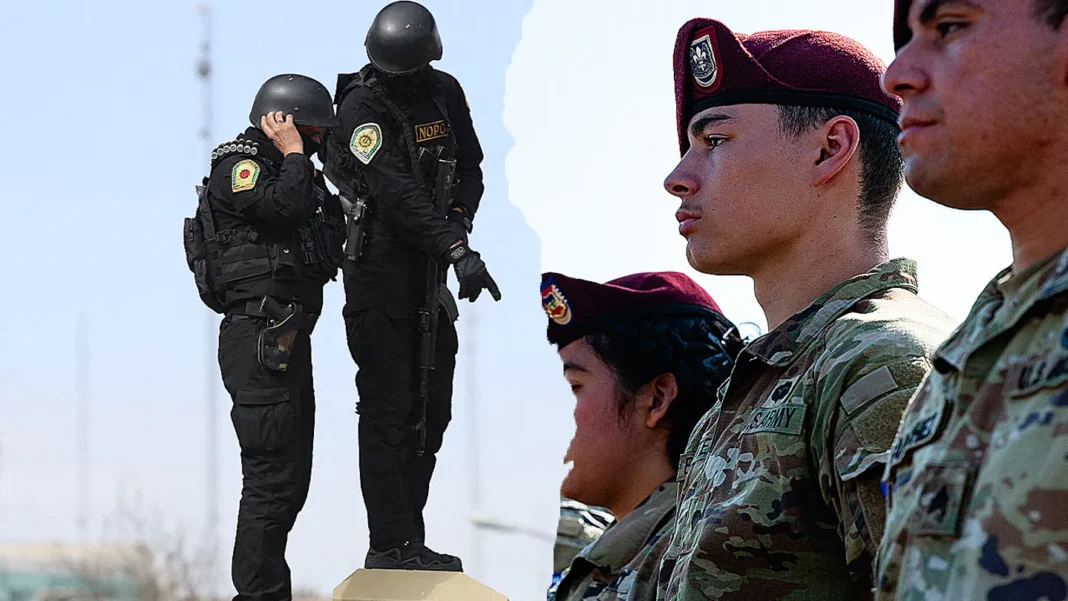




The Trump Justice Department has deployed undercover ICE agents to investigate ice cream trucks. One specific target in California is an ice cream, fruits and vegetables truck that investigators say redeemed a suspicious $600,000 in food stamps. Another target is a grocery store cashier accused of swapping less than $10,000 worth of SNAP cards for approximately $5,000 in cash. These are the cases that JD Vance’s fraud squad is building its enforcement record on. Meanwhile, white-collar case numbers at the Justice Department have collapsed from 8,780 under Barack Obama to 6,626 in Trump’s first term to 4,747 in the current term, per New York Times reporting confirmed by Raw Story today. The people going to federal court for fraud are the ones with ice cream trucks. The people whose cases were closed are the ones whose fraud was measured in hundreds of millions.
Stacey Young, founder of the advocacy group Justice Connection, described the pattern to the Times: “The D.O.J. drops multimillion-dollar fraud cases, then pursues people alleged to have defraud SNAP of a few thousand dollars. Enforcement priorities send a message, and their message on fraud is chaotic.” Young criticized Trump directly for being “all over the map when it comes to fraud” as he “pardons scores of wealthy executives.” The $600,000 ice cream truck and the $5,000 grocery cashier are the fraud that is being investigated by ICE agents. The hundreds of millions in corporate fraud cases are the fraud that is being dropped.
The specific cases that illustrate the white-collar collapse are not hypothetical. Federal Judge Nicholas Garaufis issued a ruling Monday blasting the Justice Department for dropping bribery charges against Gautam Adani, the Indian billionaire chairman of the Adani Group who was indicted in November 2024 for orchestrating a $265 million bribery scheme to secure solar energy contracts in India. The judge called the move “highly unusual” and “unbecoming of his office.” The DOJ under Todd Blanche moved to drop the case. The judge was furious enough to say so on the record. The case was dropped. Adani has connections to President Trump. Those connections are documented. The DOJ has not addressed the connection specifically in its stated rationale for dropping the charges.
The pardon record amplifies the pattern. Trump has pardoned Trevor Milton, the former CEO of Nikola Motors, a company that promised electric trucks that did not work and whose investors lost approximately $700 million before the fraud was exposed. Milton was convicted. Trump pardoned him. DOJ whistleblowers, speaking to media this week, described the pardon as a “staggering” example of the administration’s approach to fraud, in which wealthy defendants with political connections receive clemency while small food vendors are prosecuted by undercover agents. Former GOP strategist Rick Wilson, speaking on a show where the pardons were discussed, described the pardon beneficiaries as “assertively terrible people who have exploited Americans.”
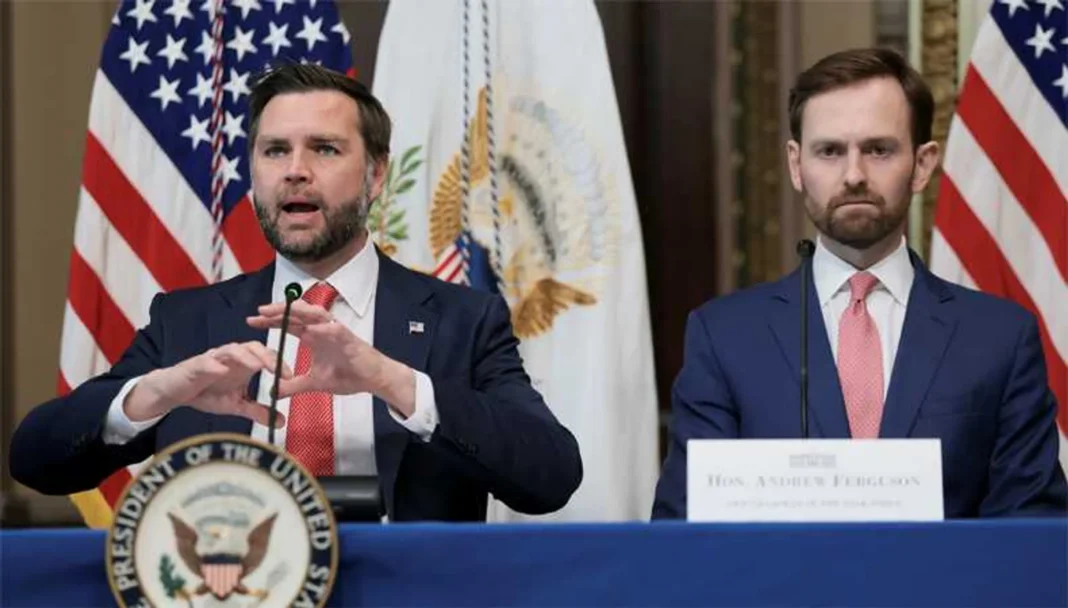
JD Vance’s “fraud squad,” announced with considerable White House fanfare and formalized through a March executive order directing the DOJ to prioritize fraud enforcement, is itself the subject of an internal controversy. The Wall Street Journal reported this week that DOJ officials are accusing Vance’s fraud squad of “dummying up” prosecution numbers, meaning inflating the apparent enforcement record by counting cases that do not reflect genuine new enforcement activity. The fraud squad is in a turf war with DOJ career officials who dispute the metrics being used to demonstrate its effectiveness. The administration’s most prominent anti-fraud initiative is being disputed from the inside by the department it is supposed to be directing.
The SNAP fraud enforcement is real in the sense that the cases are real and the defendants are real. The California ice cream truck did redeem $600,000 in food stamps, which is a genuine violation of program rules. The grocery store cashier did swap SNAP cards for cash, which is also a genuine violation. SNAP trafficking is a real problem that costs the program real money and diverts benefits intended for food-insecure families toward other purposes. None of this is fabricated. What is fabricated, or at least grossly disproportionate, is the framing of ICE agent investigations of food trucks as the centerpiece of a war on fraud while the white-collar case numbers drop to their lowest levels in two decades and a billionaire’s $265 million bribery case gets dropped.
The structural explanation for the enforcement pattern is the one that current and former federal prosecutors offered to the Times. “Current and former federal prosecutors criticize the change as effectively lowering the standards of a Justice Department that for decades prided itself on tackling big, financially complex investigations in executive suites,” the Times reported. Complex white-collar investigations require specialized prosecutors, significant resources, years of development, and the kind of institutional commitment that an administration that is simultaneously demanding loyalty and pursuing political opponents through the Justice Department finds difficult to sustain. An ice cream truck investigation requires an undercover ICE agent and a prosecutor who can explain what SNAP trafficking is to a jury. The resource profiles are not comparable.
Agriculture Secretary Brooke Rollins has publicly claimed “significant fraud” in SNAP, including unverified assertions about beneficiaries driving luxury cars, which is the political framing that positions SNAP recipients as fraudsters while the white-collar prosecution rate collapses. The SNAP fraud numbers that the administration has cited in red states like Ohio and Georgia have not survived scrutiny. Ohio initially faced $59.7 million in flagged potential fraud. After disputing the methodology, that figure dropped to $13.3 million, with state officials contesting even that amount and claiming 93 percent of the original claims were routine administrative matters rather than fraud. Republican-led Ohio and Georgia are challenging the Trump administration’s SNAP fraud crackdown in court, arguing the USDA inspector general’s methodology is fundamentally flawed.
The ice cream truck is under investigation. The Indian billionaire’s case was dropped. Trevor Milton is pardoned. Vance’s fraud squad is in a turf war with the department it is supposed to direct. White-collar cases have fallen from 8,780 to 4,747.
When the fraud squad is prosecuting ice cream trucks and dropping billionaire bribery cases and pardoning convicted fraudsters whose investors lost $700 million, what exactly is the war on fraud protecting?
Sources
Raw Story: Trump’s chaotic war on fraud targets ice cream trucks and avoids Wall Street
Raw Story: DOJ rankles judge as Trump-tied billionaire’s charges dropped
Raw Story: Vance fraud squad accused of deceitful brags as it sparks DOJ turf war
Raw Story: DOJ whistleblower torches staggering Trump move that gave fraudster a second chance