




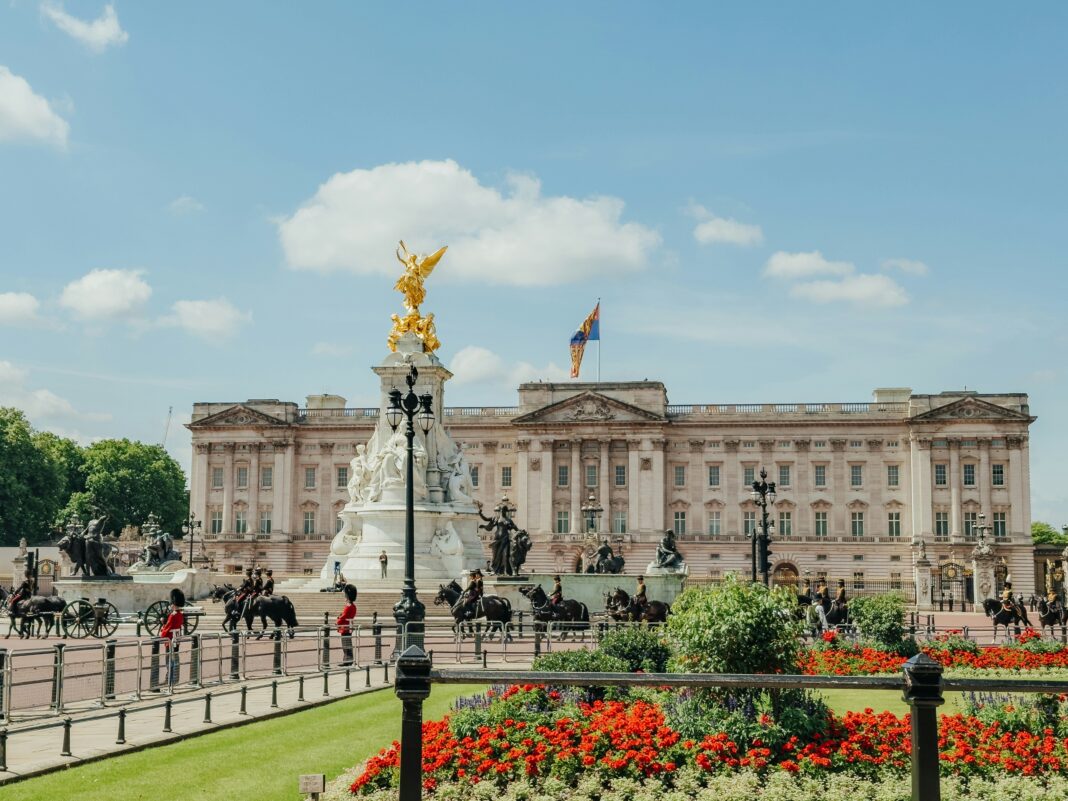
Former royal protection officer Paul Page alleges Andrew bypassed normal security procedures while bringing unidentified women into Buckingham Palace. Andrew denies wrongdoing.
A former royal protection officer is making a fresh allegation about Andrew Mountbatten-Windsor that combines Buckingham Palace, unidentified women and Jeffrey Epstein-era security questions. In other words, exactly the kind of sentence the royal family would prefer never appear in the same paragraph.
Paul Page says Andrew sometimes brought women into Buckingham Palace without following normal visitor-registration procedures. Page claims officers were discouraged from formally recording some of those guests.
Page has also provided information to the FBI regarding Andrew’s relationship with Jeffrey Epstein. Andrew has denied wrongdoing connected to the broader investigations surrounding Epstein and his associates.
The new dispute centers partly on how British police responded to Page after he began speaking publicly. Page says a warning letter from the Metropolitan Police was intended to intimidate or silence him.
The Independent Office for Police Conduct declined to open an independent investigation into that complaint. The watchdog concluded that the letter was reasonable administrative action and referred the matter back to the Met for internal handling.
Page strongly disputes that conclusion. He argues that a force connected to the underlying royal-protection questions should not be effectively reviewing itself.
The Met says it is engaging with former royal protection officers as part of ongoing investigative work. There has been no public finding establishing Page’s claims about unidentified women as fact.
Page is also not a neutral figure with a spotless history. He was convicted in 2009 for his role in a multimillion-pound fraud, something critics of his allegations regularly point out when assessing his credibility.
That history does not automatically make his claims false, but it does matter when evaluating an allegation that depends heavily on a former officer’s recollection of internal palace-security practices.
The Andrew angle remains politically radioactive because any mention of unnamed women entering palace residences immediately collides with years of scrutiny over his relationship with Epstein. The curiosity gap basically writes itself.
At the same time, there is an important distinction between “a former officer says this happened” and “investigators have proved this happened.” The first is where the story sits today.
The watchdog decision also cuts against the idea that police clearly tried to muzzle Page. The IOPC reviewed his complaint and did not find grounds for an independent probe into the warning letter.
That leaves an awkward middle ground: Page says palace-security rules were bent around Andrew, the police reject accusations that they tried to silence him, and investigators are still talking to former officers.
Buckingham Palace has survived abdications, divorces, family feuds and enough scandals to fill several seasons of prestige television. It is probably not thrilled to discover that its old visitor log is becoming a plot point too.
For now, Page’s account remains an allegation under scrutiny, not a proven finding. But in an Andrew story, “unrecorded women inside Buckingham Palace” is not exactly the kind of phrase that disappears quietly.